Samsung and Google's Gemini glasses win or lose on trust, not specs
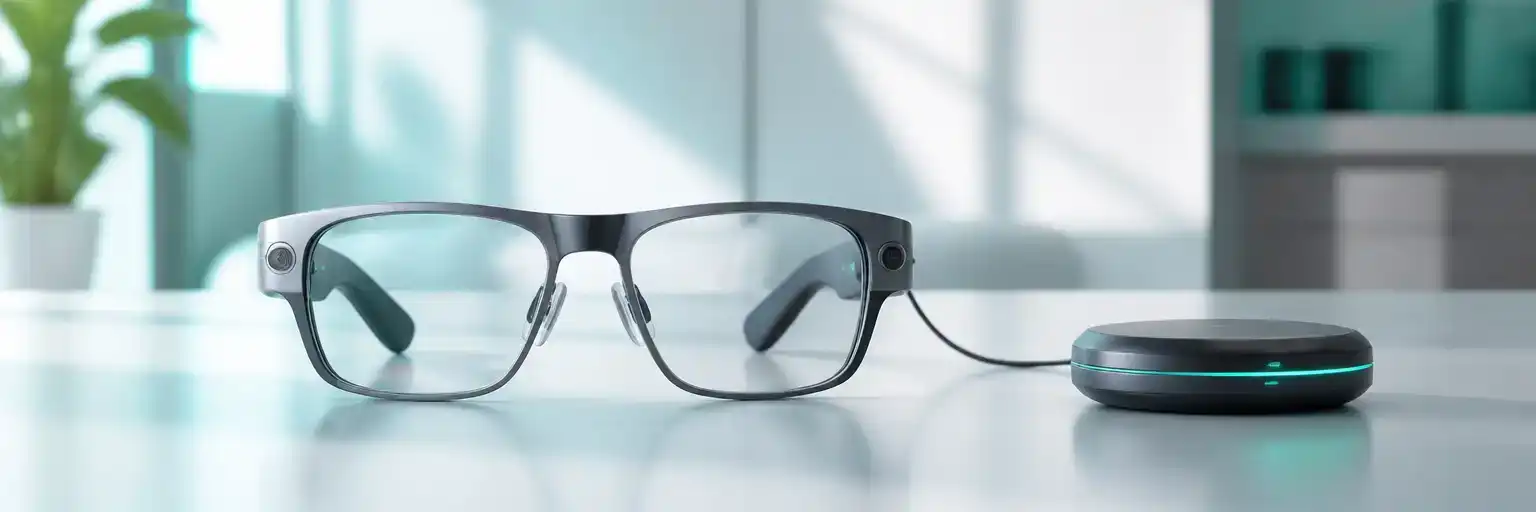
A 12 MP camera and 9 hours of battery are table stakes. The glasses arriving December 10 will matter only if they work across phones and stay honest about privacy.
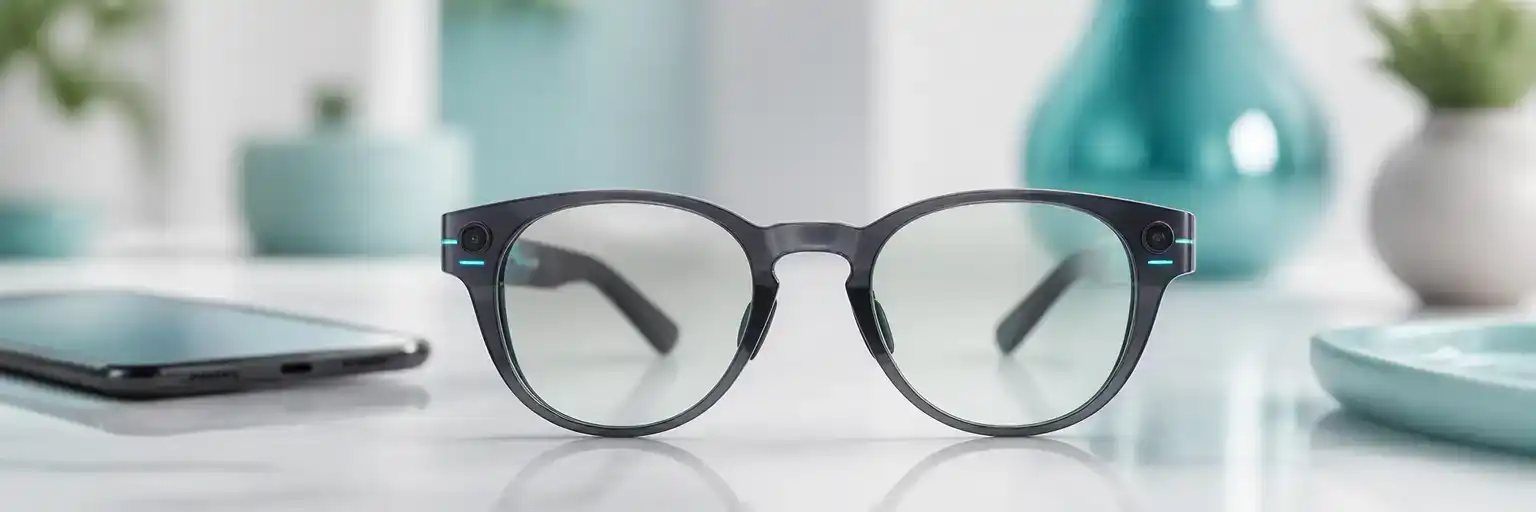
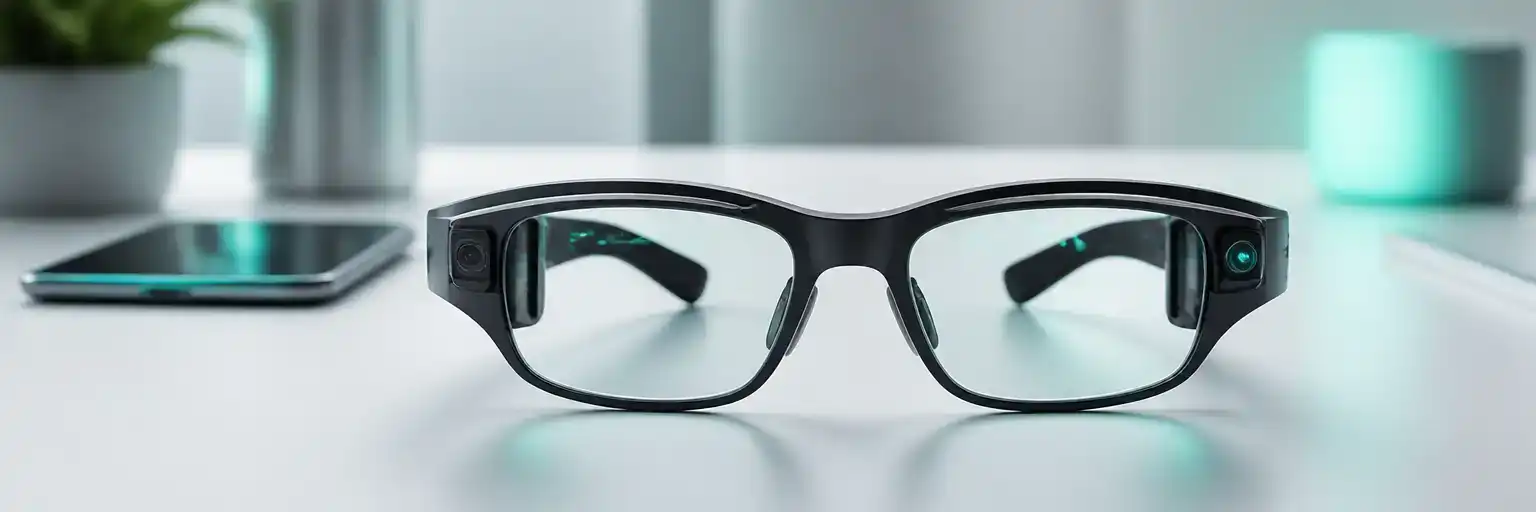
Google's new wake phrase works on its glasses but not on phones or speakers. We think that's a strategy, and it's a good reason to wait before preordering.
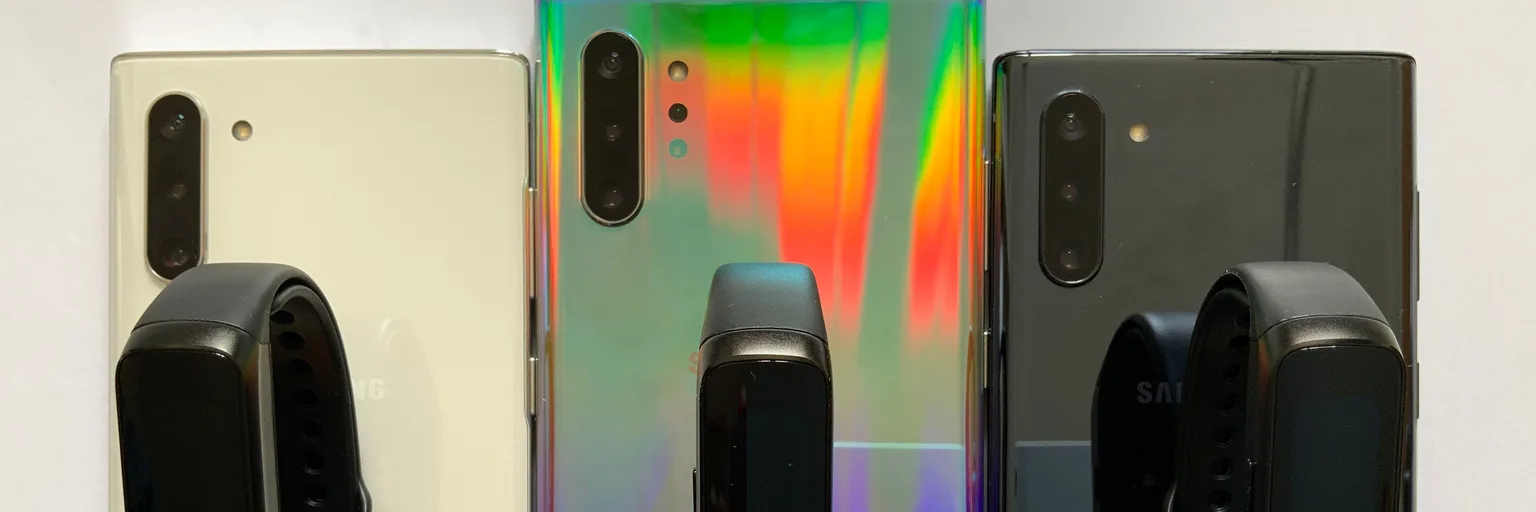
The leaks describe a Fit3 with a taller screen and a Bluetooth upgrade. That is fine, but only a sharp price and serious battery life would give the Galaxy Fit4 a reason to exist.
A leak says Samsung may cut major updates for older Galaxy Watch models. The rumor is thin, but it exposes a real flaw: watch buyers rarely get a clear end date at purchase.
Google says a fix for the Pixel Watch battery drain is coming, but "a small number of Pixel Watch users" and no timeline is a familiar way of shrinking a wearable defect.
Reports say Samsung may end OS upgrades on older Galaxy Watches. After a seven-year phone promise, that would undercut the whole pitch on devices that cost real money.
Samsung confirming the Galaxy Watch Ultra 2's VO2 Max problem is a good start, but a vague promise to fix it isn't a repair plan, and owners deserve specifics.
Xreal's wired glasses are the first real Android XR hardware test. The price is defensible, but only apps and developer tools will decide if anyone wears them daily.
Samsung's first clip-on, open-ear earbuds answer a real complaint about in-ear fatigue. Whether they matter depends on a global launch with a price that isn't Korea-premium.
Google Health 5.11 lifts automatic detection from 10 to 100+ activities. It's the unglamorous kind of upgrade that decides whether a smartwatch is useful or just decorative.
Red marks and blisters under the sensors of several Galaxy Watch models may not be burns, but Samsung's silence and advice-only answers aren't enough for a device worn all night.
Garmin’s latest updates show how software longevity can make an expensive watch feel like a lasting platform—if owners know what they will actually receive.
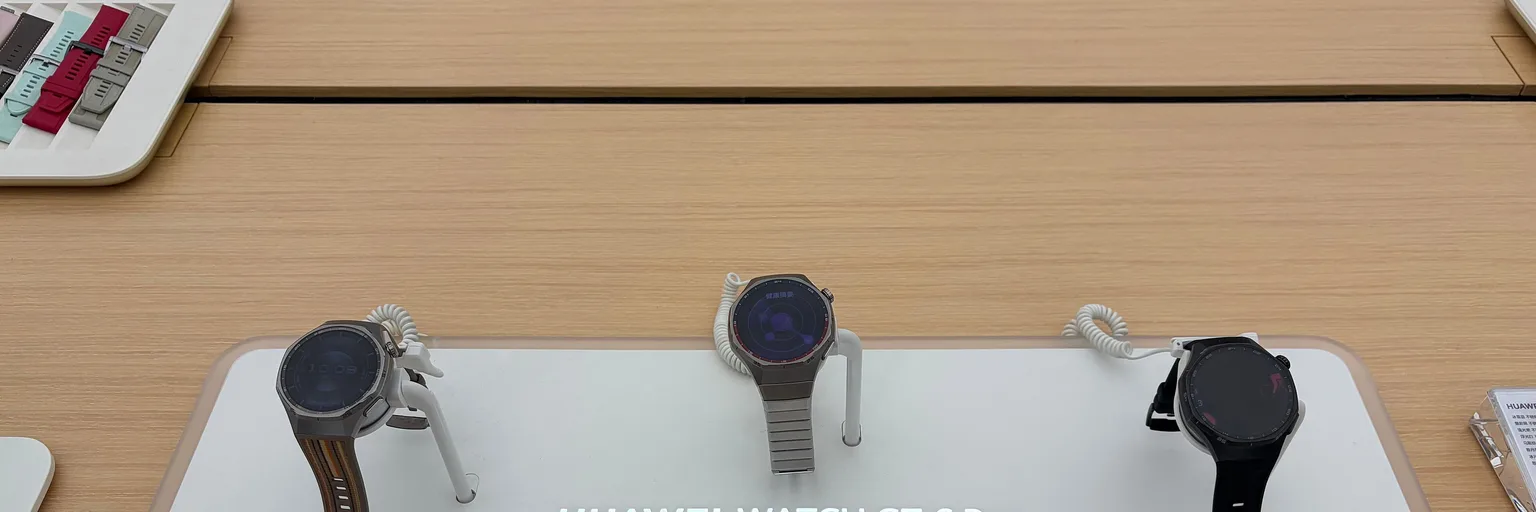
Huawei's latest flagship wearable, the WATCH 6 Pro, makes a bold entry with luxurious materials and a comprehensive feature set, aiming to disrupt the high-end smartwatch market against established rivals.
Samsung's One UI 9 Watch beta, powered by Wear OS 7, represents a strategic push to redefine its wearables through deeper software integration, intelligent functionality, and improved user experience, positioning it as a formidable Apple Watch competitor.
XREAL's latest AR glasses offer significant upgrades in visual fidelity and comfort, making them genuinely useful for movies, gaming, and productivity, though they remain tethered and face typical limitations.
Amazon's new Bee Frontier and Eclipse wearables offer low upfront costs, but their core utility is locked behind a $11.99 monthly subscription, forcing a trade-off between convenience, privacy, and the true price of personal AI.
An ambitious open-source project allows Apple Watch pairing with Android phones without an iPhone, challenging Apple's ecosystem lock-in, yet its practical appeal remains limited to a niche.
Samsung's latest wearable impresses with a potent processor and refined features, yet conflicting reports on its battery life present a complex picture for user expectations.
Dior's new Medaillon lip balm, designed to attach to smartphones, boldly merges luxury beauty with personal tech, raising the question of whether this is a genuinely innovative accessory or a high-end gimmick targeting digital-savvy consumers.
The surprising comeback of wired headphones, fueled by celebrity endorsements and Gen Z's affinity for 'retro' tech, signals a profound cultural shift towards digital detox and tangible simplicity.
The leaked Fitbit Edge, with its screen and impressive battery life, offers a compelling middle ground between basic fitness trackers and complex smartwatches for everyday users.
While the tech industry envisions wearables tracking glucose effortlessly, current devices face significant accuracy hurdles and regulatory warnings, making a truly non-invasive solution a distant goal.
As incremental innovations slow, consumers are increasingly questioning the value of yearly smartwatch purchases, signaling a market shift towards durability and meaningful utility over constant newness.
New devices like Mobvoi's TicNote Watch, Deepinder Goyal's Temple, and Google's screenless Fitbit Air signal a powerful industry shift, prioritizing specialized, AI-driven insights over general-purpose, screen-heavy gadgets.