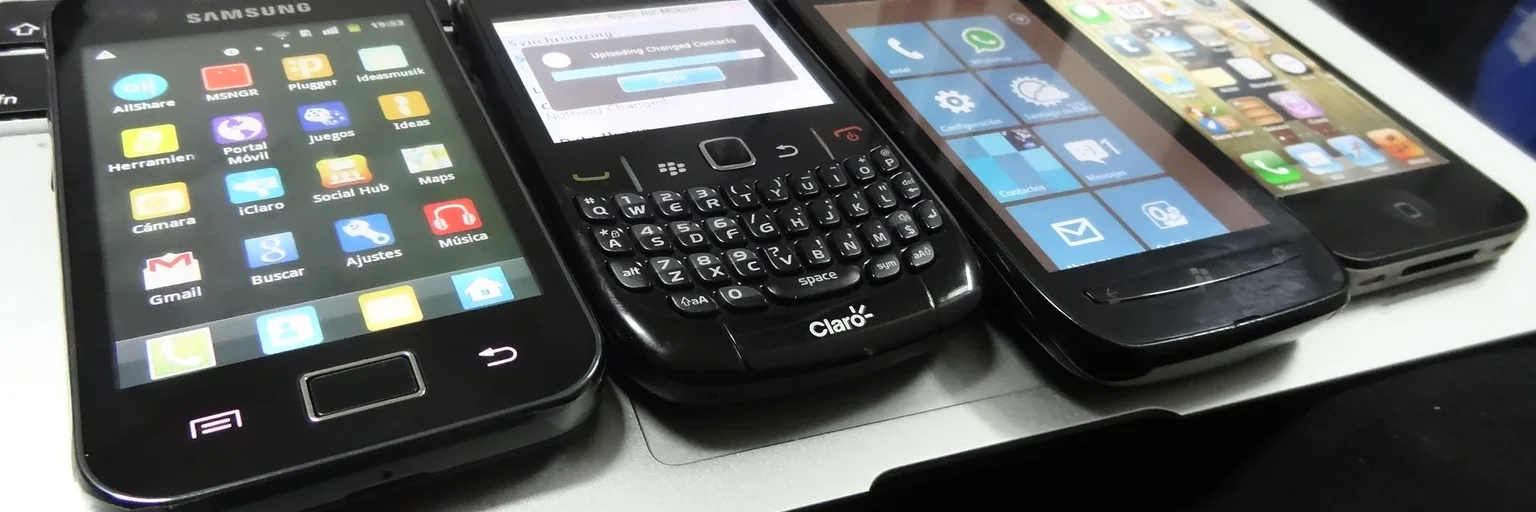
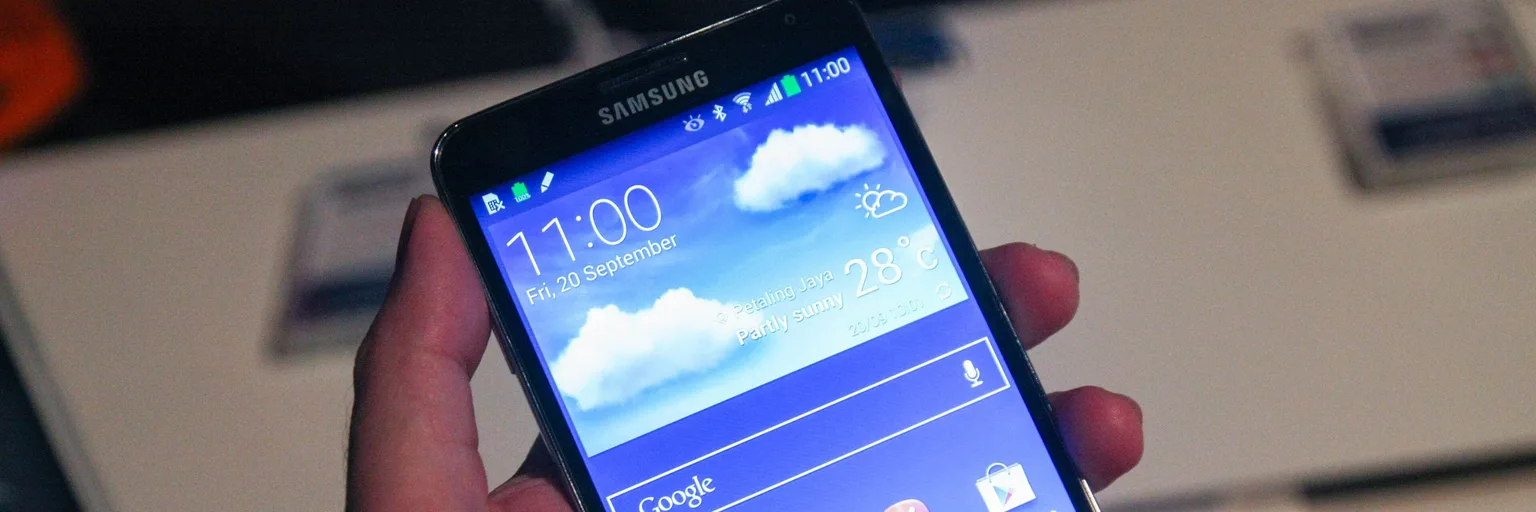
Samsung News is gone in December: preinstalled apps are rentals
Samsung is killing its news feed on December 21, and it's not the first Galaxy app to go. The lesson: build your phone on portable, neutral apps, not the ones in the box.

Google TV’s latest feature roundup makes a familiar promise: more novelty than change. The useful question is what actually works, where, and for whom.
OpenAI’s new PIN and biometric locks hide sensitive chats from casual snooping, but they do not change retention, training settings, or account-level exposure.
A Google Home data bug is not just embarrassing software: it shows why connected devices need alerts, limits and recovery tools before users pay the price.
Seven Android transfer apps exposed private data during migration, showing why manufacturers must treat moving phones as a security operation—not a convenience feature.
Reported cuts to NOAA's critical GeoXO satellite program risk setting back US weather forecasting by a decade, threatening the accuracy of mobile weather apps and broader location-based services.
The rapid exploitation of Plex Media Server vulnerabilities, turning home networks into cryptomining and proxy hubs, underscores a critical and often overlooked truth: consumer software demands professional-grade vigilance.
Google Translate's significant interface redesign for Android promises a more intuitive user experience, but it raises the question of whether this is a genuine step forward in usability or simply a much-needed modernization to keep pace with evolving design standards.
A new generation of Android banking malware, Hirudo, moves beyond simple credential theft by replacing legitimate apps with trojanized versions, forcing users to rethink mobile security.
Ford's decision to integrate Apple Maps into its next-generation electric vehicles, moving away from Google for core navigation, marks a significant turning point in automotive infotainment and OEM reliance on big tech ecosystems.
By transforming the iPhone Duo into a virtual Walkman where closing the device starts the music, Duo-Man brilliantly leverages foldable hardware for a unique, nostalgic, and intuitive user experience that sets a new standard for app design.
DAZN's new smartphone-exclusive subscription tests the waters of mobile-first content, but its rigid device limitations raise questions about true value for sports fans.
Google Play's new personal app publishing feature, allowing users to create and install AI-generated tools for their devices, subtly blurs the lines between app development and everyday utility, hinting at a more personalized mobile future.
YouTube's 'Ask YouTube' feature, now widely available on Android and iOS, marks a pivotal shift from traditional keyword searches to intuitive, conversational AI, promising a more personalized and efficient way to explore video content on the go.
Mozilla's native Swift redevelopment of Thunderbird for iPhone signals a serious commitment to the Apple ecosystem, aiming to redefine email alternatives on iOS if it delivers on its ambitious promises for integration and features.
Google Wallet's new receipt scanning feature in v26.40 significantly elevates its utility, positioning it as a potentially comprehensive financial management app beyond mere payments.
Sloclap's challenging kung-fu brawler, Sifu, arrives on iOS and Android, pushing mobile gaming's boundaries but raising critical questions about the viability of its intricate combat with touch controls.
The brazen, monetized leaks of Rockstar's Grand Theft Auto VI, including threats to drop the full game, underscore a dire security vulnerability for the high-stakes mobile gaming sector.
A surprising new study reveals iPhones offer users vastly more control over pre-installed apps than leading Android devices, directly challenging long-held privacy perceptions.
After a decade of Spanish dominance, Bizum is expanding across Europe with in-store mobile payments, aiming to carve out significant market share from established tech giants.
The competition between Meta Muse and OpenAI Dot promises a new era of AI-controlled devices, but the true price for users might be far more than just a monthly subscription.
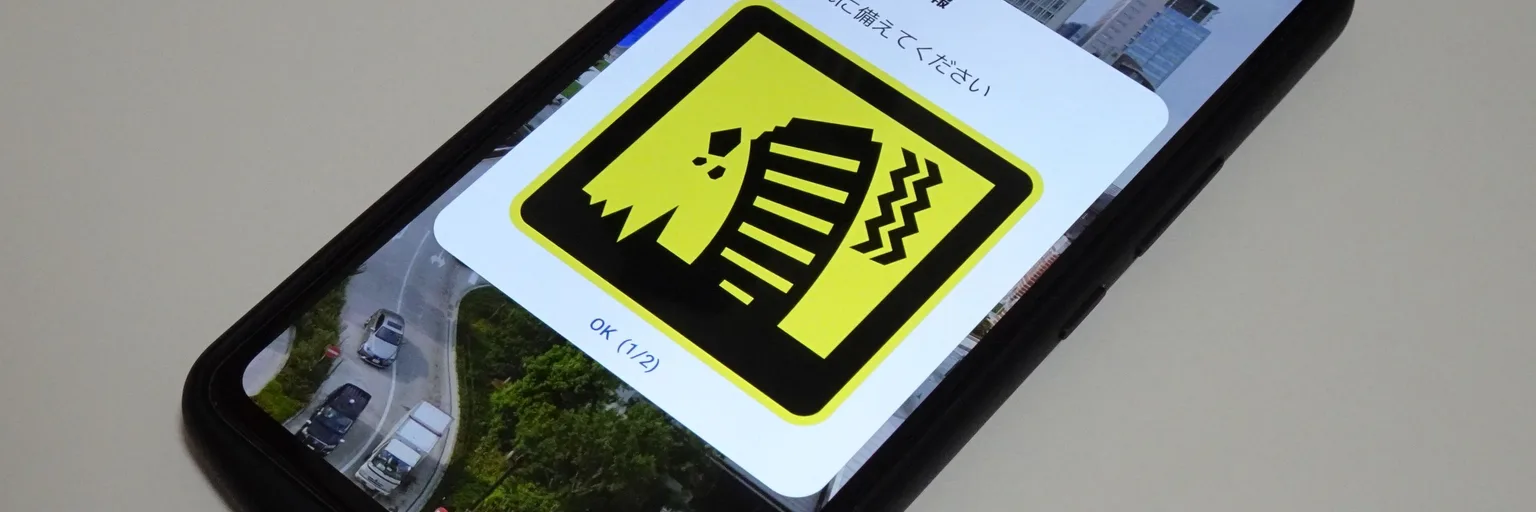
While Android and iPhone earthquake alert systems offer invaluable seconds of warning, their rise prompts a critical look at our readiness to act and the dangers of over-reliance on a single digital guardian.
Amazon's bold decision to ditch Fire OS for full Android and Google Play Store access on its new Alexa Tablets signals a strategic pivot, aiming for broader appeal and direct competition in the premium tablet segment.
With NFC integration, improved setup, and native lost-item reminders, Google's Find Hub is poised to become a formidable challenger in the competitive market for tracking devices, offering users a more intuitive and widespread solution.
WhatsApp's new server-side blocks, citing security for outdated Android and iOS versions, compel users to upgrade their devices for basic functionality, underscoring constant pressure within the smartphone ecosystem.
Android's native data limit feature, designed to prevent costly overages, frequently frustrates users by prematurely cutting off internet access due to forgotten settings and discrepancies with carrier billing.
The IRS's updated mobile app promises to streamline tax account management, but its ultimate success will depend on user adoption, robust security, and seamless integration with existing digital services, which are formidable hurdles.
While the 'Mac.apk' project promises seamless Android app integration on macOS, its appeal for convenience must be weighed against significant security and stability considerations.
Apple's relentless push for feature parity on Apple Music for Android signals a mature strategy to conquer new users, fundamentally altering the competitive dynamics in music streaming.