Mobilsfera Newsroom
GhostMap shows Android's bug triage needs daylight, not silence
A permissionless app that can trap a phone in a crash loop, and a "won't fix" verdict from Google: the real problem is how opaque the decision looks from outside.
A permissionless app that can trap a phone in a crash loop, and a "won't fix" verdict from Google: the real problem is how opaque the decision looks from outside.
An invisible text can knock out a phone's cellular service. Google had a fix weeks ago, yet non-Pixel owners can wait months for their maker to ship it. That gap is the real scandal.
The "SMS of Death" crashes phones with an invisible message, no tap needed. Google fixed its code months before disclosure; the scandal is how long patches take to reach you.
A flaw that let attackers run code on Android just because you answered a Telegram call shows messaging apps are the prime target. Updating fast beats trusting a brand.
Google's Registered App Stores program could make sideloading humane, but a program where Google scans every catalog and decides who qualifies needs scrutiny.
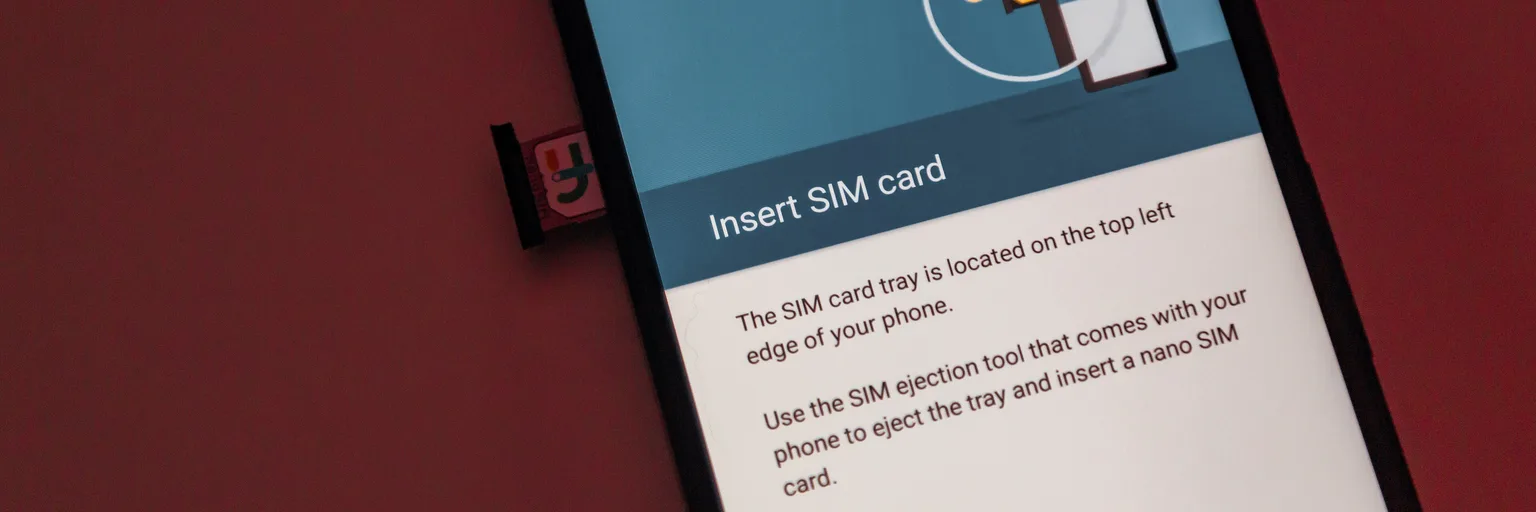
A hidden SIM Manager connector would let Gemini install, transfer and delete eSIMs. It fixes a real annoyance, but control over your number demands confirmations and SIM-swap safeguards.
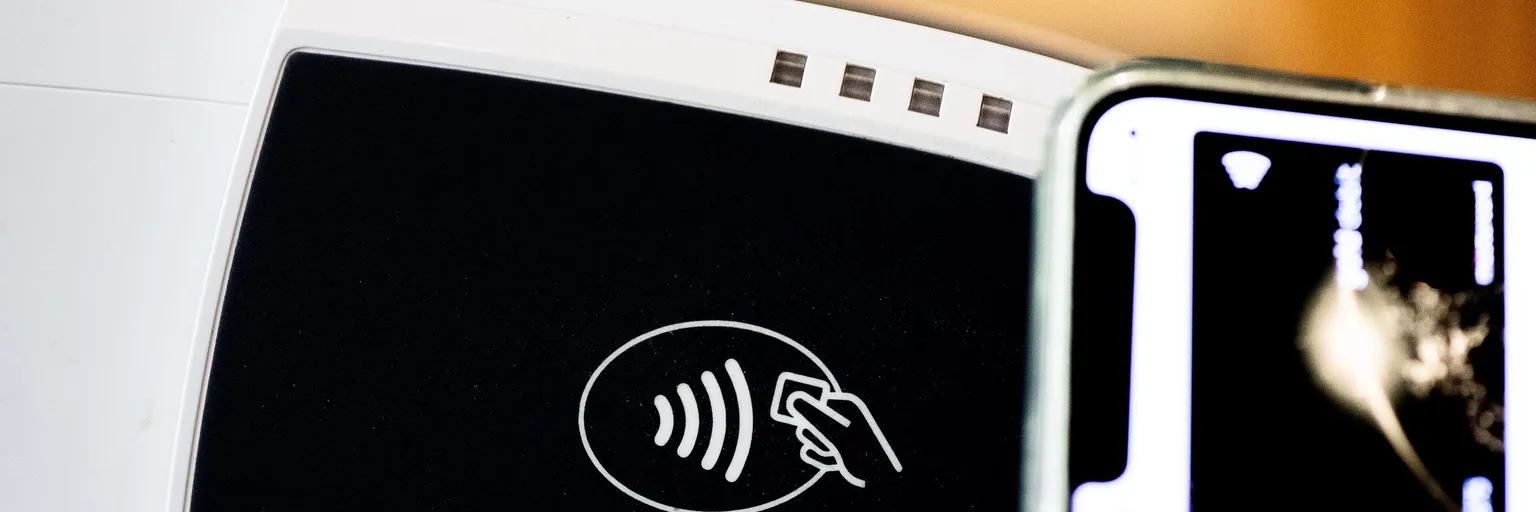
Google Wallet is reportedly testing a "Tap to pay" toggle that skips verification. It saves a couple of seconds, and only makes sense as an opt-in with strict limits.
Google is ending blanket write access to your address book. It's a welcome fix, but the real test is whether big apps adapt or just nag you into saying yes.
Letting people without an account join calls from a browser link is a clever way to widen WhatsApp's reach. The open question is what guests give up and how links stay safe.
A launch-day jailbreak, helped by AI, suggests Apple can't count on fresh hardware to buy time. Buyers should judge it by how fast patches arrive, not by perfection.
Motorola and Honor are now in the seven-year club, but a slogan isn't a patch. We should reward delivery on time and on affordable phones, not the press release.
Phones showing a January 1, 2027 Google Play system update are fine, by all accounts. The real problem is how little Google lets us verify about updates that protect us.
A bug let iPhone users reopen "View Once" photos by digging through storage settings. It's fixed, but the lesson is to treat ephemeral features as best effort, not protection.
Android's chief concedes that warnings alone don't stop scams. The fix is right in spirit, but the 24-hour wait and developer verification risk making openness a favor Google grants.
Dropping Android 5 and forcing an iOS 15.5 floor is defensible on security grounds. The real test is whether WhatsApp makes the exit path painless or just points to the store.
Downloads spiked in France before the October 24 protests, though no shutdown is planned. Offline Bluetooth chat is useful, but its range and unproven security deserve caution.
Australia's court order is another crack in the App Store wall. Apple's smartest move is to design one coherent, secure opening instead of a patchwork of country rules.
OpenAI’s new PIN and biometric locks hide sensitive chats from casual snooping, but they do not change retention, training settings, or account-level exposure.
Seven Android transfer apps exposed private data during migration, showing why manufacturers must treat moving phones as a security operation—not a convenience feature.
The rapid exploitation of Plex Media Server vulnerabilities, turning home networks into cryptomining and proxy hubs, underscores a critical and often overlooked truth: consumer software demands professional-grade vigilance.
A project claims to bring iOS 16.5 to Android phones, promising cross-platform functionality, but without public code or independent verification, it remains a fascinating, yet potentially dangerous, mirage.
A new generation of Android banking malware, Hirudo, moves beyond simple credential theft by replacing legitimate apps with trojanized versions, forcing users to rethink mobile security.
Microsoft's Phone Link empowers Android phones to remotely control Windows PC power, offering unmatched convenience while raising critical questions about security and user vigilance.
Amid reports of compromised hardware wallets and mounting user losses, Ledger's new Atom smartphone promises an all-in-one 'privacy and security device,' but its timing and expansive scope raise questions about its true utility and the company's underlying strategy.
As official support for devices like the Pixel 6 and 6 Pro vanishes, LineageOS 24 steps in with Android 17, offering a crucial second life and challenging the cycle of planned obsolescence.
Google's latest AI-powered scam prevention for Android messages and calls is a vital step against evolving fraud, yet it subtly redefines our relationship with smartphone privacy, even with on-device processing.
A surprising new study reveals iPhones offer users vastly more control over pre-installed apps than leading Android devices, directly challenging long-held privacy perceptions.
Despite Android offering robust defenses against theft and data loss, many vital security features are not active out of the box, leaving users unknowingly exposed.
Samsung has ended software support for the Galaxy A04s and A23 5G, pushing users toward an upgrade cycle that raises concerns about device longevity and the environmental impact of budget-friendly smartphones.
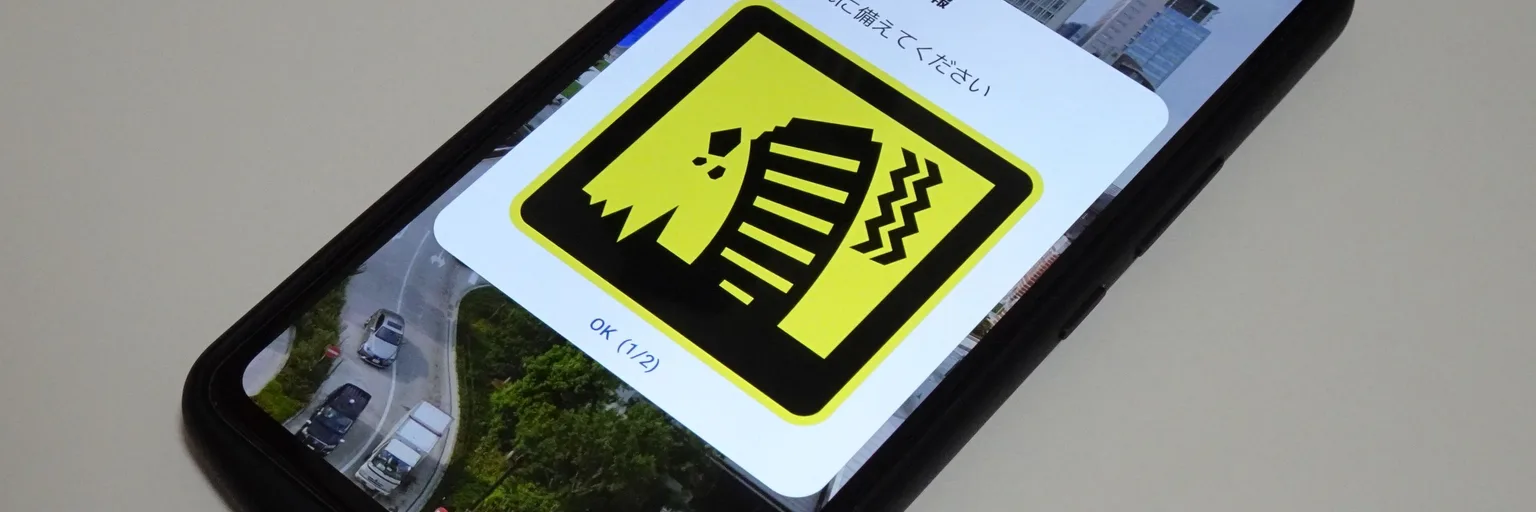
While Android and iPhone earthquake alert systems offer invaluable seconds of warning, their rise prompts a critical look at our readiness to act and the dangers of over-reliance on a single digital guardian.
Recent warnings about a new iPhone virus capable of stealing photos underscore that even Apple's robust security isn't foolproof when common user habits create critical vulnerabilities.
The discovery of Midnight Mimosa pre-installed in inexpensive Android phones, especially those with MediaTek chips, reveals a deep-seated supply chain security flaw, leaving budget-conscious consumers unknowingly compromised from day one.
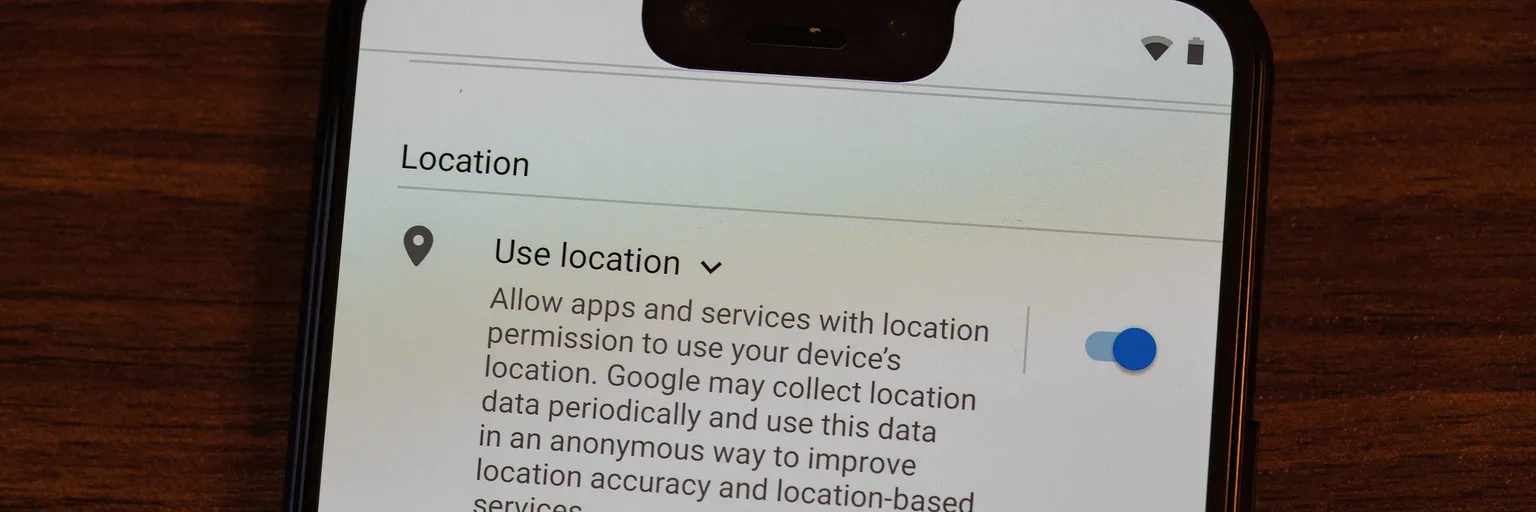
Google's new blue dot indicator in Android 17 aims to empower users with real-time location tracking transparency, transforming how we understand and manage our digital footprint.
As Apple and Google wallets integrate payments, digital IDs, and essential documents, they are redefining personal verification and rapidly making the physical wallet an outdated relic.
The IRS's updated mobile app promises to streamline tax account management, but its ultimate success will depend on user adoption, robust security, and seamless integration with existing digital services, which are formidable hurdles.
While the 'Mac.apk' project promises seamless Android app integration on macOS, its appeal for convenience must be weighed against significant security and stability considerations.