Samsung admitted the Watch Ultra 2 bug. Now it owes owners a fix date
Samsung confirming the Galaxy Watch Ultra 2's VO2 Max problem is a good start, but a vague promise to fix it isn't a repair plan, and owners deserve specifics.
Photo: P1898 / Wikimedia Commons (CC BY 4.0)
How much is an admission worth if it comes with no date, no version number and no instructions? That's the question hanging over the Galaxy Watch Ultra 2 this week, after Samsung acknowledged that its flagship rugged watch has a problem.
What Samsung actually admitted
According to Canaltech, the Galaxy Watch Ultra 2 has a flaw in its VO2 Max calculation during runs on athletics tracks. As Candeias News reports, after some workouts the watch doesn't record the estimate of maximal oxygen consumption, even when the user meets the conditions Samsung Health requires. Samsung recognized the error and said it is working on a solution. Android Headlines traces the case to a user report on Samsung Community.
That is all the documentation gives us: a confirmed problem and a promise. No timeline, no mention of an update, no word on whether any hardware is involved.
"Sensor flaw" is doing a lot of work in that headline
Some headlines say "sensor," but the description is of a metric that fails to calculate. We'd be careful here. A missing estimate after a track session sounds, to us, more like an algorithm or software-logic problem than a broken component. That's an interpretation, not something Samsung has said. But it matters, because the answer to "what do I do now?" depends entirely on it.
If it's software, the fix is an update, and the honest thing for Samsung to say is which one and roughly when. If it's hardware, owners need to hear that the watch will be repaired or replaced under warranty. Right now, what has been reported leaves both doors open, which conveniently commits the company to neither.
Why a vague promise to fix it isn't good enough
Look at who is affected. VO2 Max is, in our view, a headline feature for the kind of person who buys a rugged, premium sports watch: runners who train on tracks, follow structured plans and care about that number going up over months. A silent gap in the data isn't a cosmetic bug for them. It's probably a hole in a training log they can't easily recover.
And this watch isn't the only one with rough edges in the documentation. A thread on the US Samsung community forum describes an Always-On Display and wrist-sensor issue on the Ultra 2, with the page noting that 23 people had this problem. A forum thread is anecdote, not a statistic, and we wouldn't claim it's the same bug. But it shows why owners are primed to read a vague acknowledgment as "something is wrong with my expensive watch and nobody will tell me what."
Samsung deserves credit for not stonewalling. Plenty of companies let a user report rot in a forum for months. Admitting the fault publicly is the right instinct. The problem is stopping there.
What we think Samsung should do next
Three things, none of them exotic:
- Say what kind of problem it is. One sentence clarifying software versus hardware would defuse most of the anxiety.
- Give a target. Not a hard date, but a rough window and the update channel it will ship through. Saying only that a solution is in the works reads like a placeholder.
- Spell out the warranty route. If the fix needs a service visit or a swap, owners should be told in advance, not discover it by arguing with support.
Until then, our advice for owners is practical. If track runs and VO2 Max are why you bought the watch, keep your own record of the sessions that failed, with dates, and don't assume the missing data will be backfilled. If you're thinking of buying one, we'd wait for Samsung to say something concrete about the fix before paying flagship money, especially if track running is how you plan to use it.
The verdict: the admission is welcome, but it's the cheapest part of the job. The fix, and the clarity around it, is what Samsung actually owes.
No topics yet: start the first one.
More stories
"A small number" is not a fix: Google's Pixel Watch battery problem
Google says a fix for the Pixel Watch battery drain is coming, but "a small number of Pixel Watch users" and no timeline is a familiar way of shrinking a wearable defect.
Samsung can't sell longevity on phones and walk away from watches
Reports say Samsung may end OS upgrades on older Galaxy Watches. After a seven-year phone promise, that would undercut the whole pitch on devices that cost real money.
AirPods Pro 3 on Android: you pay for half the earbuds
Apple's flagship buds keep the sound on Android but drop the smarts that justify the price. Buyers should know it first, and Android rivals shouldn't copy the lock-in.
Auto workout detection matters more than any AI coach, if it works
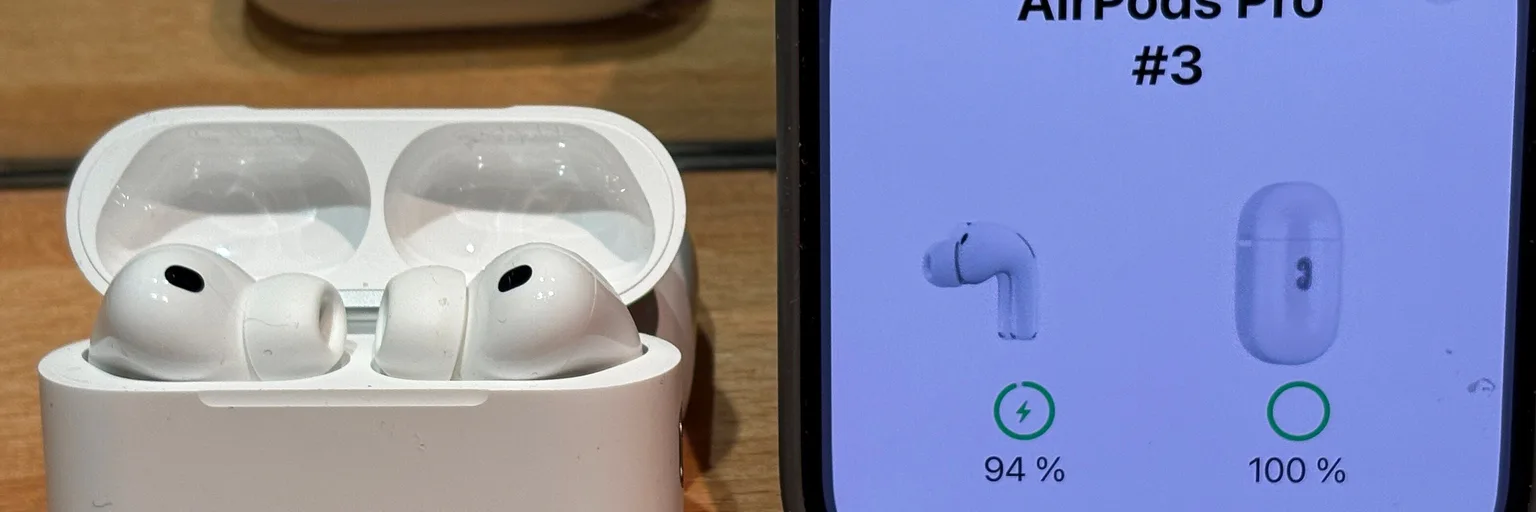
Google Health 5.11 lifts automatic detection from 10 to 100+ activities. It's the unglamorous kind of upgrade that decides whether a smartwatch is useful or just decorative.