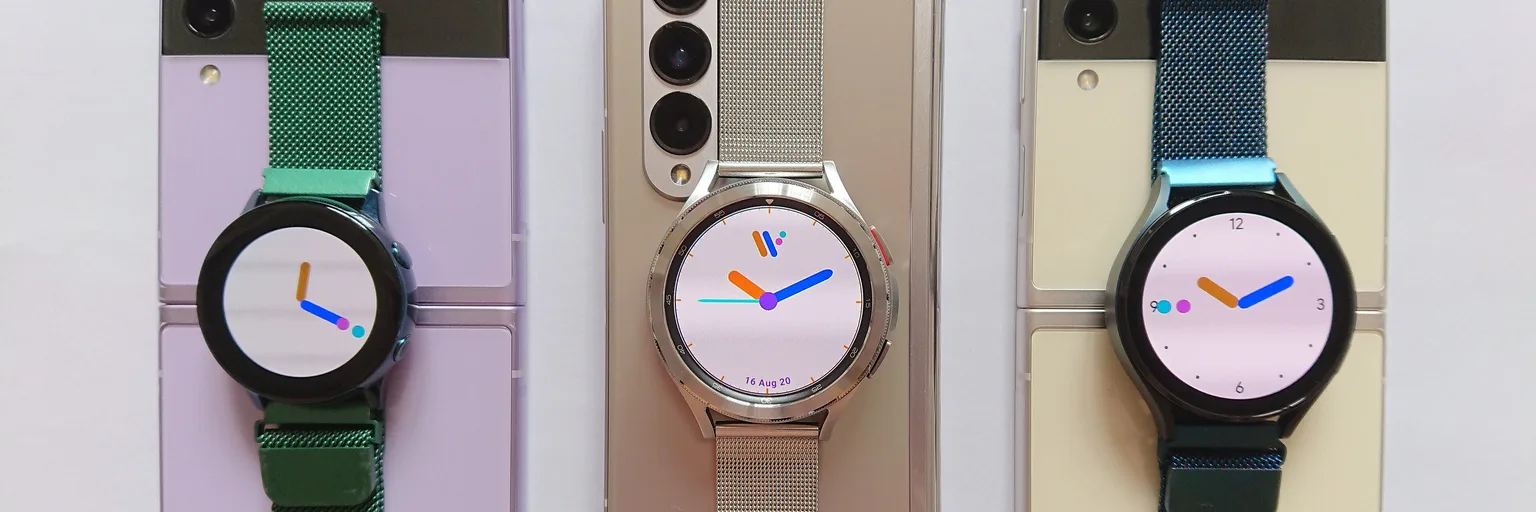
Auto workout detection matters more than any AI coach, if it works
Google Health 5.11 lifts automatic detection from 10 to 100+ activities. It's the unglamorous kind of upgrade that decides whether a smartwatch is useful or just decorative.
AI-generated image
Which feature on your smartwatch do you actually rely on every week: the AI coach that writes you motivational summaries, or the one that notices you went for a run when you forgot to press start? We'd bet on the second. And that is why Google Health 5.11 is more interesting than its modest changelog suggests.
What changed, in two paragraphs
As Android Authority reports, version 5.11 is rolling out on Android and iOS and overhauls automatic activity detection: more than 100 workout types can now be logged automatically, up from just 10. That covers strength training and swimming, and it applies to the Fitbit Air, Pixel Watch 3, 4 and 5, and the upcoming Fitbit Edge, which arrives on October 27.
According to TelecomTalk, Google claims the new system delivers 2x more accurate detections and cuts missed workouts by more than half. Workouts are logged when heart rate stays elevated past a threshold, 15 minutes by default. Edits you make also feed back into the system so it can learn your habits.
Forgetting to press start is the real enemy of fitness data
Everything a wearable tells you afterward, whether trends, recovery or coaching, rests on one boring assumption: the workout was recorded. Miss it, and the data has a hole that no model can fully patch. Auto detection is the foundation, and in our view it is underrated precisely because it is invisible when it works.
Compare that with Health Guardian, which Google unveiled in August as a suite that monitors things like insulin resistance and blood pressure trends in the background. Ambitious, certainly. But a clever layer of insight on top of patchy basics is a nicer roof on a shaky house. A coach that comments on a week with three unlogged sessions is commenting on fiction.
The risk: 100 activities means 100 chances to be wrong
Here is where we stay skeptical. Detection based on sustained heart rate is a blunt signal. Climbing stairs with groceries and a mediocre tennis rally can look alike on a wrist. Google doesn't say what the exact thresholds are, and "2x more accurate" is a vendor figure we can't verify. Nothing in the documentation tells us how it was measured.
Annoyance is the other cost. A user thread on Google's support forums from July complains that "walk detected" and "end exercise" alerts are "useless and annoying." That's one forum post, not a trend, but it points at the real test: a detection system that is right 90% of the time and noisy the rest can be worse than a manual button. Adapting to your corrections is the promising part. It only works if correcting is quick and doesn't feel like a chore.
Our verdict
If you own a Pixel Watch 3 or newer and train in anything beyond running, update and let it work for a couple of weeks before judging. Pay attention to two things: how often it misses sessions, and how often it invents them. If both are rare, this will do more for your daily experience than any chatbot summary.
For Google, the lesson is a good one: the smartest feature in a wearable is often the one that quietly gets out of your way. We'd like to see more of that, and fewer launch events about coaches.
No topics yet: start the first one.
More stories
Galaxy Watch burn reports demand more than a "wear it looser" reply
Red marks and blisters under the sensors of several Galaxy Watch models may not be burns, but Samsung's silence and advice-only answers aren't enough for a device worn all night.

The Apple Watch is becoming medical before its battery is ready
Apple Watch Series 12 shows how wearables are moving beyond notifications, but health ambitions demand stronger evidence, privacy safeguards and longer battery life.

Garmin’s real advantage is what happens after you buy the watch
Garmin’s latest updates show how software longevity can make an expensive watch feel like a lasting platform—if owners know what they will actually receive.
Smartwatches: The Silent Hazard Worse Than Your Phone at the Wheel
While smartphones are a known danger, smartwatches present an emerging, and often overlooked, threat to road safety due to their unique distraction profile and legislative ambiguity.