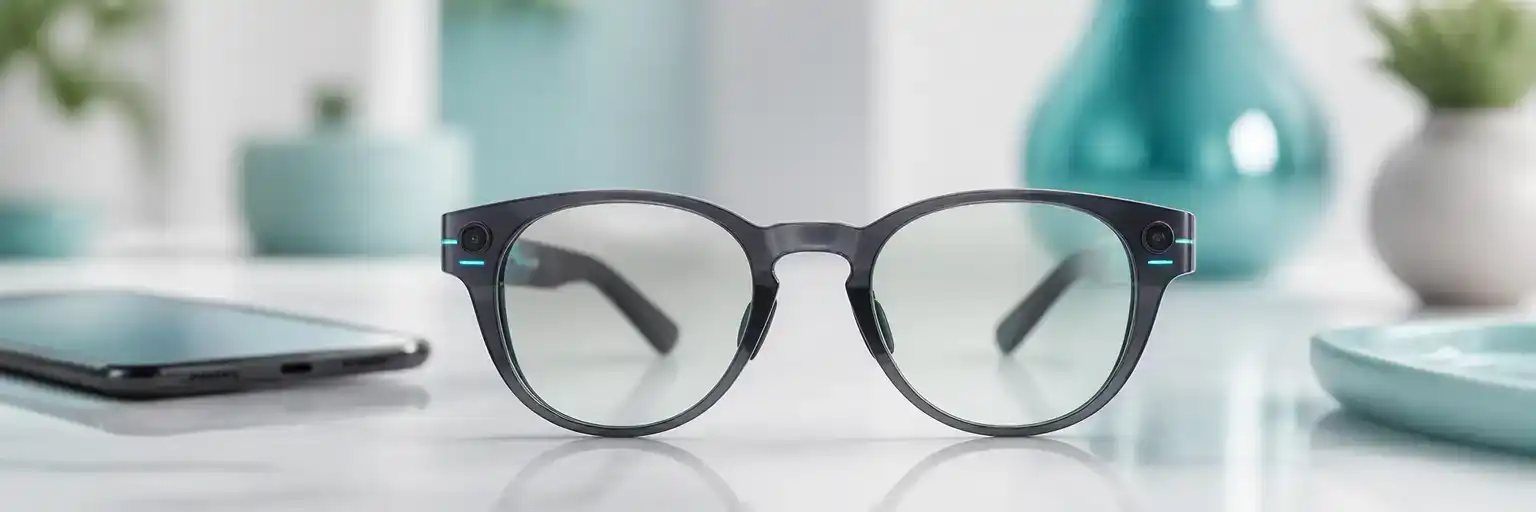
Samsung and Google's Gemini glasses win or lose on trust, not specs
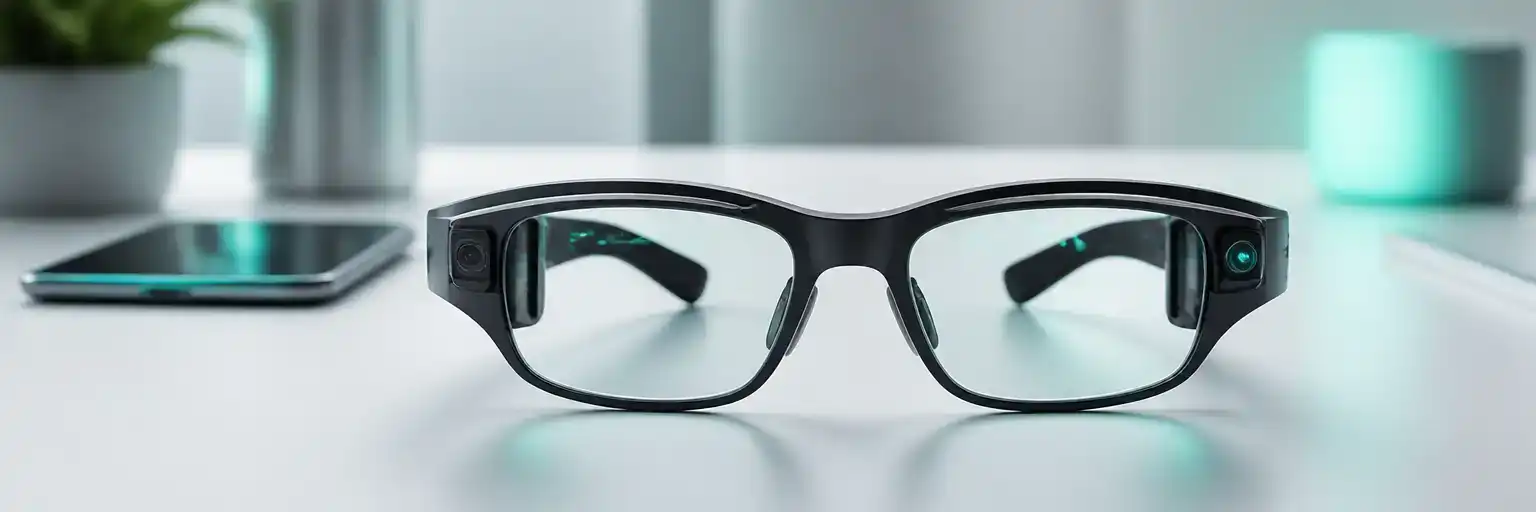
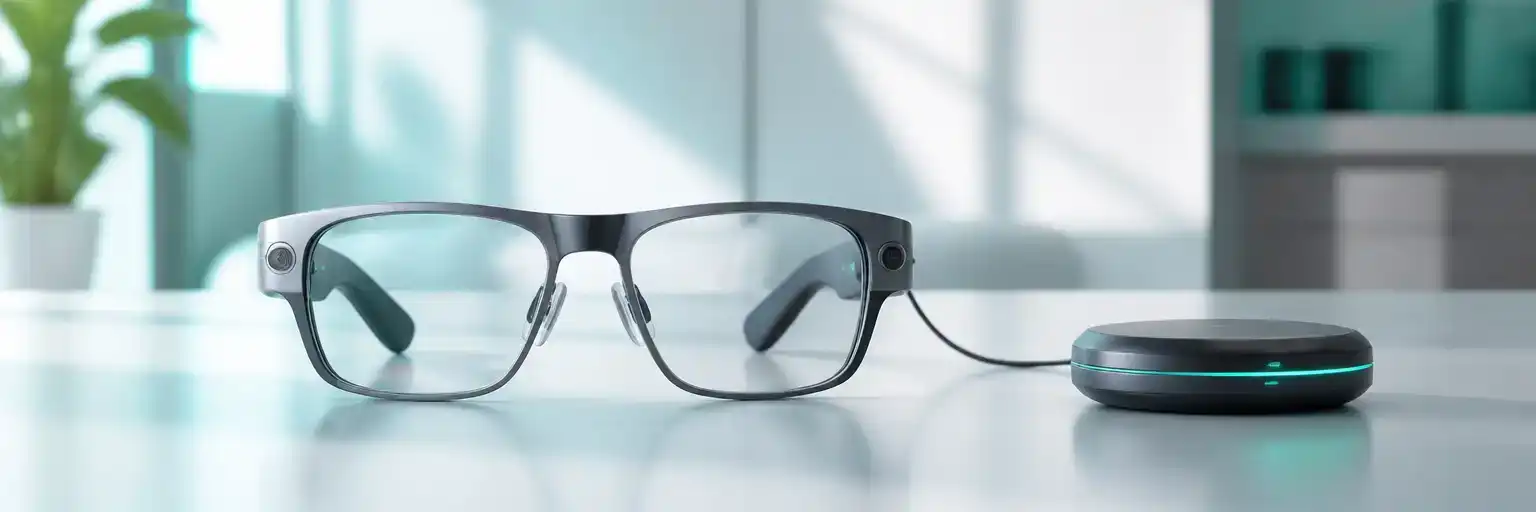
A 12 MP camera and 9 hours of battery are table stakes. The glasses arriving December 10 will matter only if they work across phones and stay honest about privacy.

A €805M fine on Meta shows that tapping "allow" on a vague prompt isn't a real choice. Google and Meta should make gallery access visible and opt-in.
Google's new wake phrase works on its glasses but not on phones or speakers. We think that's a strategy, and it's a good reason to wait before preordering.
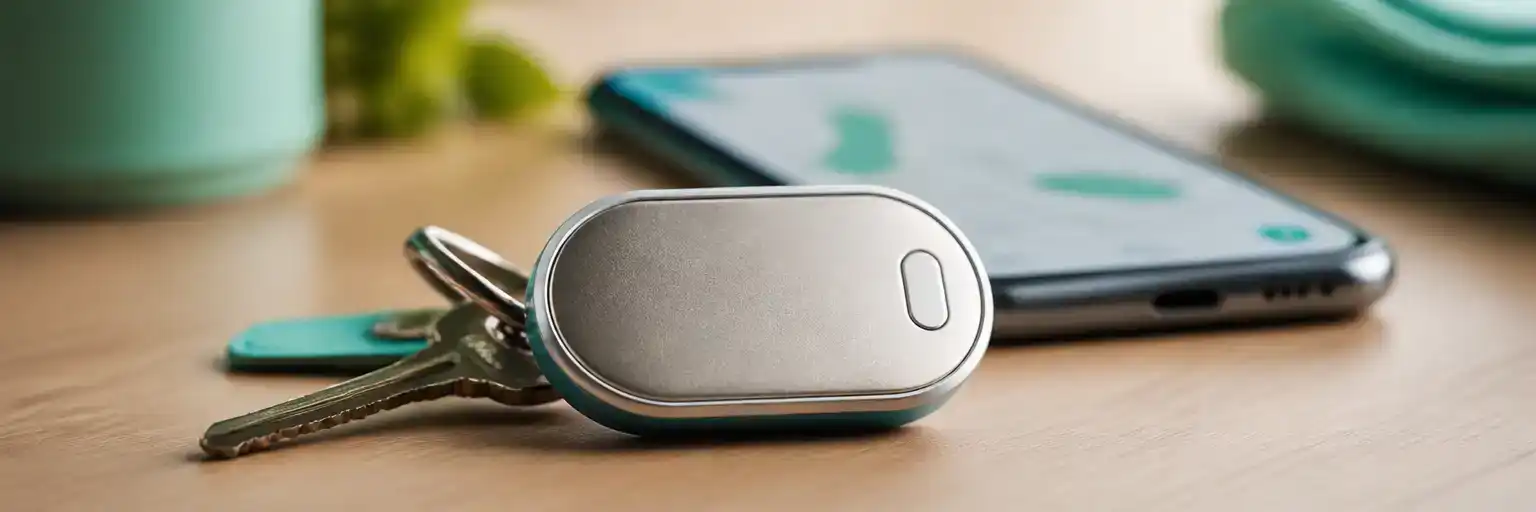
Google's $29.99 Pixel Tag finally gives Android a first-party answer to AirTag, but the hardware is the easy part: the Find Hub network and its safety net are the real product.
Google now asks for Android 11 even over a USB cable. A silent support-page edit is a poor way to retire phones that still work, and Google owes users a technical reason.
A permissionless app that can trap a phone in a crash loop, and a "won't fix" verdict from Google: the real problem is how opaque the decision looks from outside.
A suspected Russia-linked campaign hit iPhones and Androids through ordinary websites, no clicks needed. Fully patched phones were safe, so vendors should patch for us.
1.3 million Android TV boxes came with a backdoor, and the maker was a certified Google partner. Cheap hardware is risky, but the real failure is in certification.
Automatic photo backup from Android to Windows over Quick Share needs no cloud and no subscription. It only matters if Google makes it reliable and widely available.
An invisible text can knock out a phone's cellular service. Google had a fix weeks ago, yet non-Pixel owners can wait months for their maker to ship it. That gap is the real scandal.
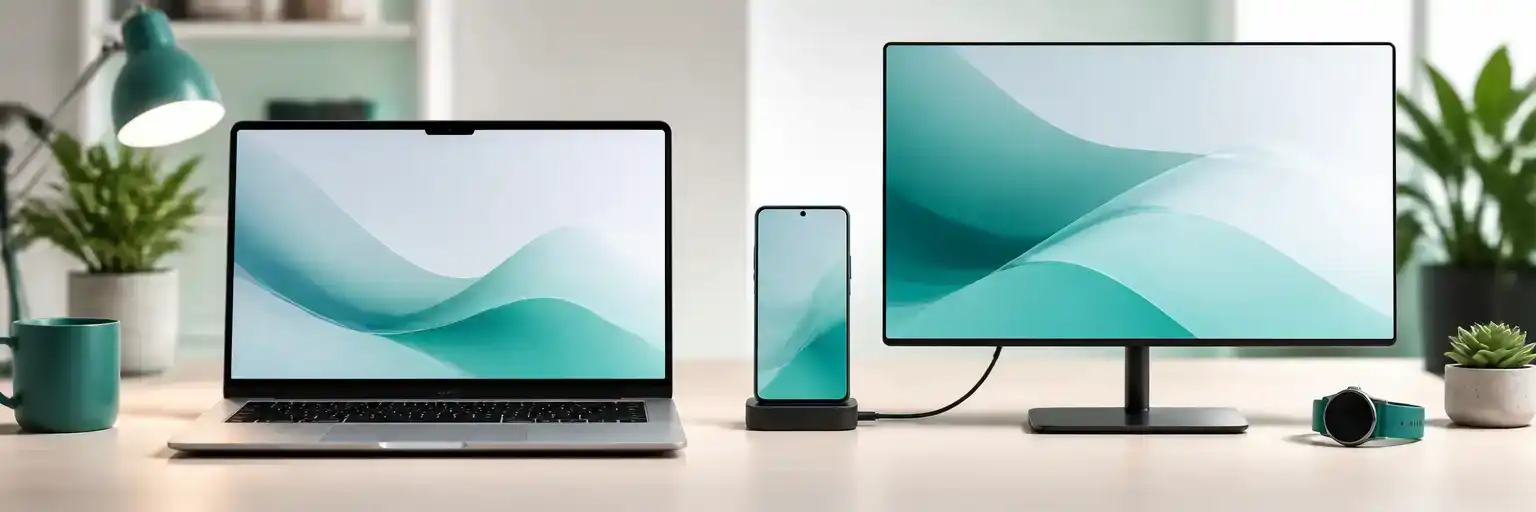
Googlebook finally brings a real desktop to Android, but for anyone with a Galaxy phone, DeX already covers most of it for free. Google needs a stronger pitch than "it's a laptop."
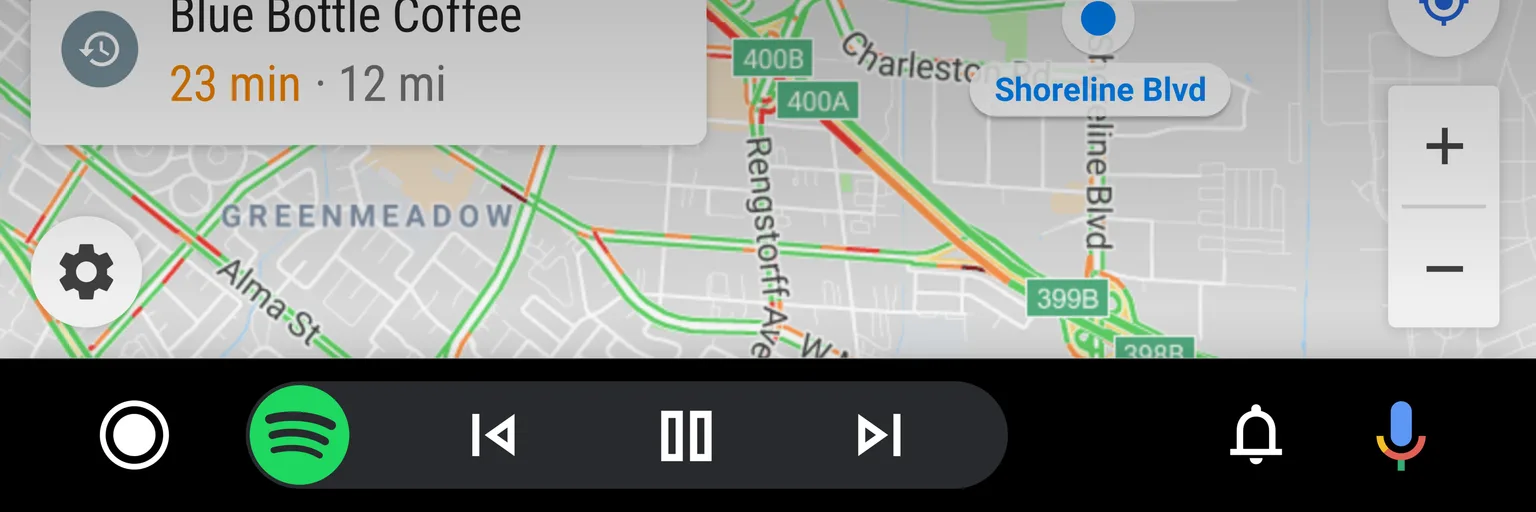
When Android Auto stops showing messages, nothing tells you. The failure exposes a fragile chain of phone, app and car, and why Google should own it and say so.
Find Hub's rebrand and its newest NFC tracker features reached phones through Google's service layer, not an OS release. It's convenient, but hard for users to inspect or steer.
Letting Claude and GPT into Android Studio admits developers pick tools over loyalty. Whether app quality wins depends on whether Gemini keeps a privileged spot.
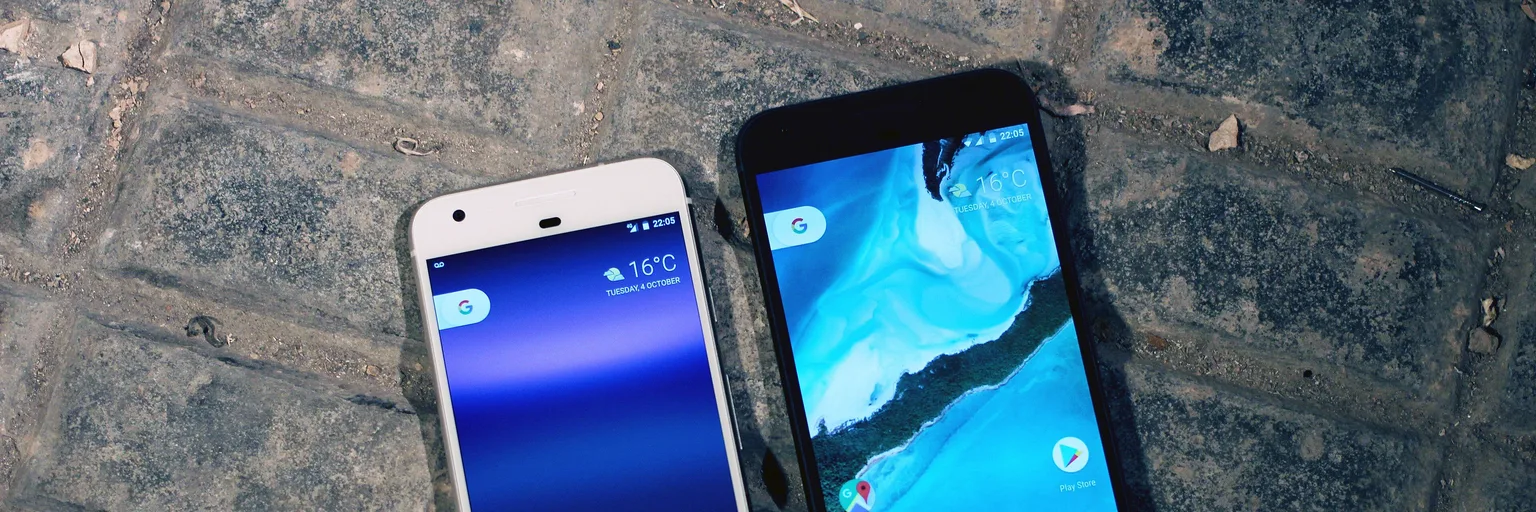
The "SMS of Death" crashes phones with an invisible message, no tap needed. Google fixed its code months before disclosure; the scandal is how long patches take to reach you.
Four months after launch, Android 17 trails even Android 8.1. Long support pledges sound great, but adoption speed is the number that tells you whether an update promise is real.
Google's app lock returning in Android 17 QPR3 Beta 3 is good news, but in our view it shows how basic a privacy tool Android users have waited on.
Google says a fix for the Pixel Watch battery drain is coming, but "a small number of Pixel Watch users" and no timeline is a familiar way of shrinking a wearable defect.
Google's Registered App Stores program could make sideloading humane, but a program where Google scans every catalog and decides who qualifies needs scrutiny.
Xreal's wired glasses are the first real Android XR hardware test. The price is defensible, but only apps and developer tools will decide if anyone wears them daily.
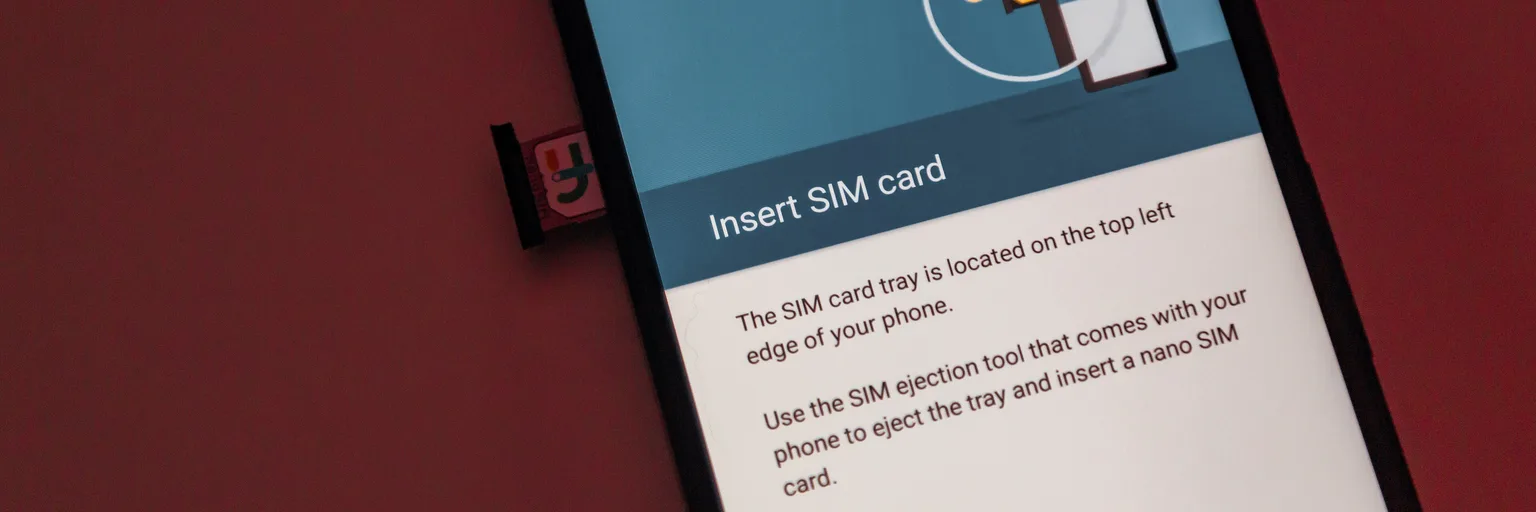
A hidden SIM Manager connector would let Gemini install, transfer and delete eSIMs. It fixes a real annoyance, but control over your number demands confirmations and SIM-swap safeguards.
Google is ending blanket write access to your address book. It's a welcome fix, but the real test is whether big apps adapt or just nag you into saying yes.
A German court left a father with a €33,748 bill for his son's in-app purchases. Platforms still make spending easy, so parents must switch the controls on themselves.
Citizen Lab's AdFection report shows spyware can arrive through targeted ads, with no click needed. Ad code should be treated like any other mobile threat vector.
Google is moving scam defense into Messages and Chrome with louder warnings and cloud AI. The catch: the strongest protection is opt-in and tied to one vendor's menus.
Moving Subscriptions out of the bottom bar is sold as a smoother Home, but in our view it nudges viewers away from the channels they chose toward feeds YouTube picks.
Phones showing a January 1, 2027 Google Play system update are fine, by all accounts. The real problem is how little Google lets us verify about updates that protect us.
Android's chief concedes that warnings alone don't stop scams. The fix is right in spirit, but the 24-hour wait and developer verification risk making openness a favor Google grants.
Google says your Gmail, Drive and Photos aren't used for ads by default. The new exception for connected services shows why "free" always deserves a second look.
A bug that drops moving subjects from saved video is worse than a crash, because you only find out once the moment is gone. Google should own it, and fast.
Seven Android transfer apps with over 12 billion downloads had flaws. Patches exist, but the real lesson is that migration tools deserve the scrutiny we give banking apps.
A counterfeit WhatsApp collected 500,000 downloads on Google Play. Users should check the developer, but Google should verify who is behind apps that impersonate big brands.
LE Audio and Channel Sounding promise better audio and smarter proximity features on Android, but fragmented support could make Bluetooth less universal.
Google TV’s latest feature roundup makes a familiar promise: more novelty than change. The useful question is what actually works, where, and for whom.
A Google Home data bug is not just embarrassing software: it shows why connected devices need alerts, limits and recovery tools before users pay the price.
Seven Android transfer apps exposed private data during migration, showing why manufacturers must treat moving phones as a security operation—not a convenience feature.
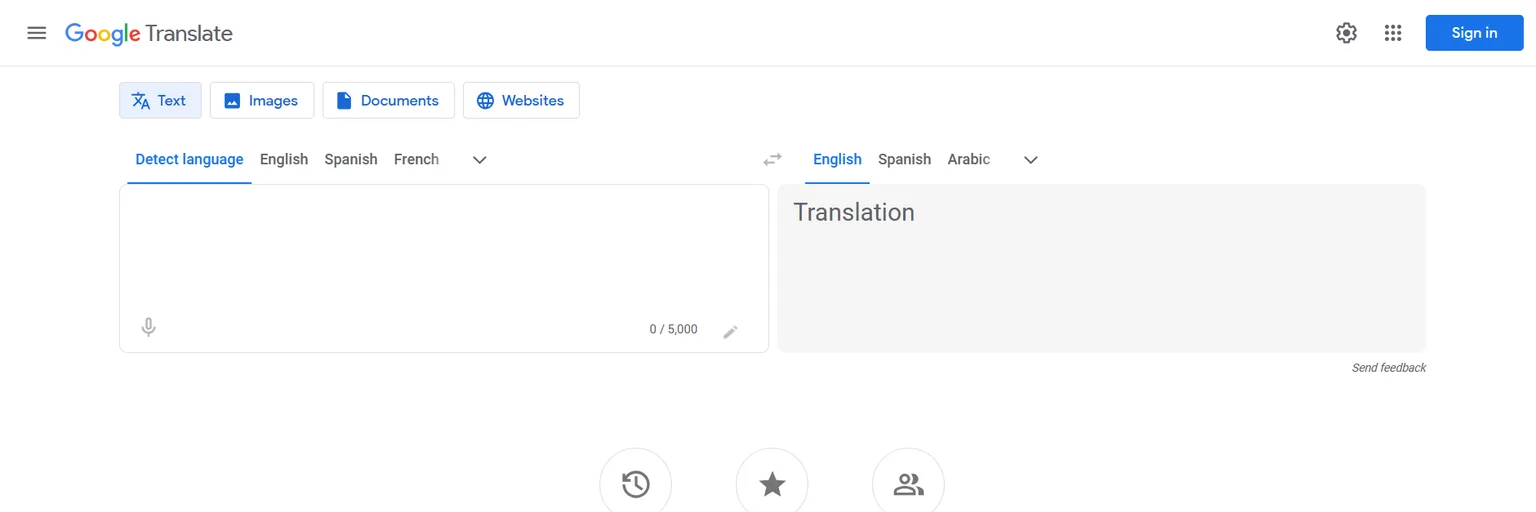
Google Translate's significant interface redesign for Android promises a more intuitive user experience, but it raises the question of whether this is a genuine step forward in usability or simply a much-needed modernization to keep pace with evolving design standards.
Google's swift Android 17 QPR2 Beta 7.1 release for Pixel devices, targeting crucial performance and stability issues, underscores a proactive approach essential for user retention and brand trust.
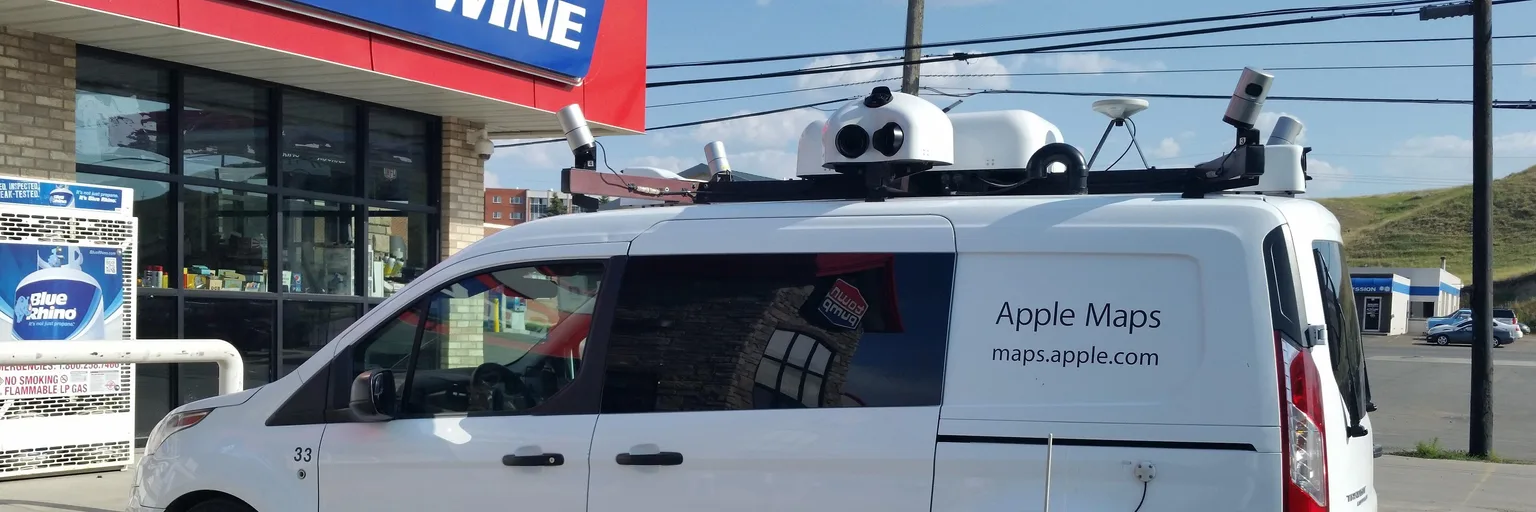
Ford's decision to integrate Apple Maps into its next-generation electric vehicles, moving away from Google for core navigation, marks a significant turning point in automotive infotainment and OEM reliance on big tech ecosystems.
YouTube's 'Ask YouTube' feature, now widely available on Android and iOS, marks a pivotal shift from traditional keyword searches to intuitive, conversational AI, promising a more personalized and efficient way to explore video content on the go.