Amazon's Bee AI: A Bargain at Entry, a Bribe for Full Functionality
Amazon's new Bee Frontier and Eclipse wearables offer low upfront costs, but their core utility is locked behind a $11.99 monthly subscription, forcing a trade-off between convenience, privacy, and the true price of personal AI.
AI-generated image
Amazon has just unveiled its latest foray into personal artificial intelligence with the new Bee Frontier wearable and the Bee Eclipse phone attachment. These devices promise to simplify our lives by transcribing, summarizing, and analyzing our conversations, turning spoken words into actionable insights and to-do lists. While the initial price tags of $74.99 for the Frontier and $99.99 for the Eclipse seem appealing, we must ask if Amazon is truly offering an accessible entry point to personal AI, or simply baiting users into a subscription model that ultimately demands a higher price for full functionality and potentially, privacy.
The Bee Frontier, an upgrade to Amazon's earlier wearable, can be worn on the wrist or clipped to clothing, offering up to seven days of battery life. It features dual microphones with upgraded noise filtering and an IP67 water resistance rating. The Frontier is available now for $74.99 in Onyx, Lavender, and Sage colors. Amazon acquired Bee, a San Francisco startup, in July 2025, marking its ongoing push into the AI gadget market. The credit card-sized Bee Eclipse magnetically attaches to a smartphone—with MagSafe compatibility—boasting an impressive 21-day battery life, which Bee describes as industry-leading. This device includes multiple microphones and comes in Silver, Midnight, Honey, and Blush, and will be available soon.
The Real Cost of 'Personal AI'
While the upfront cost of the Bee Frontier and Eclipse devices is relatively low, their true utility is gated behind a Bee Pro subscription. Priced at $11.99 per month, or $99.99 per year, this subscription unlocks features critical to the devices' core promise. Without Bee Pro, users receive only conversation summaries and 14 days of memory. However, the Pro tier offers unlimited conversation summaries and history, suggested to-dos, daily memories, a personal chat assistant, and conversation templates. Crucially, it enables integrations with Amazon.com, Alexa+, Gmail, Google Calendar, Outlook, Apple HealthKit, and photos. This means that features like receiving shopping suggestions on your Amazon homepage based on conversations or drafting emails and setting calendar invites from your discussions are only available to subscribers. This structure suggests that Amazon views the initial hardware price as an entry fee to a continuous revenue stream from its AI services, which cost money to run and improve, as noted by Bee.
Navigating the Privacy Maze
One of the most significant concerns surrounding always-listening AI devices like the Bee Frontier and Eclipse is privacy. Similar AI wearables on the market, such as Meta's smart glasses, have faced widespread privacy concerns from users and advocacy groups. Amazon is attempting to address these by stating that Bee devices encrypt transcripts, summaries, and to-dos via its “Private Compute” security architecture and do not store audio recordings. Audio is processed in real time and immediately deleted, with transcripts encrypted using user-controlled keys, meaning no one, including Amazon, can access the data unless the user manually shares it. An LED light signals when Bee gadgets are recording, and devices can be programmed to automatically stop recording after a period of silence.
No topics yet: start the first one.
More stories
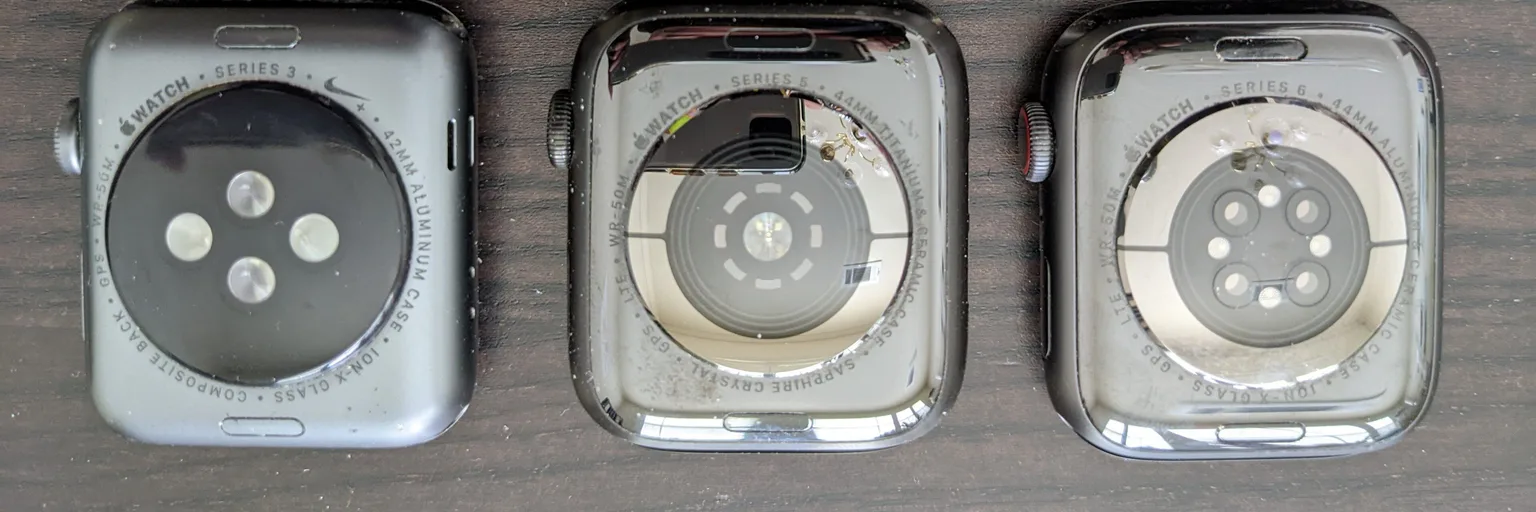
Apple Watch on Android: A Crack in the Walled Garden, But For Whom?
An ambitious open-source project allows Apple Watch pairing with Android phones without an iPhone, challenging Apple's ecosystem lock-in, yet its practical appeal remains limited to a niche.
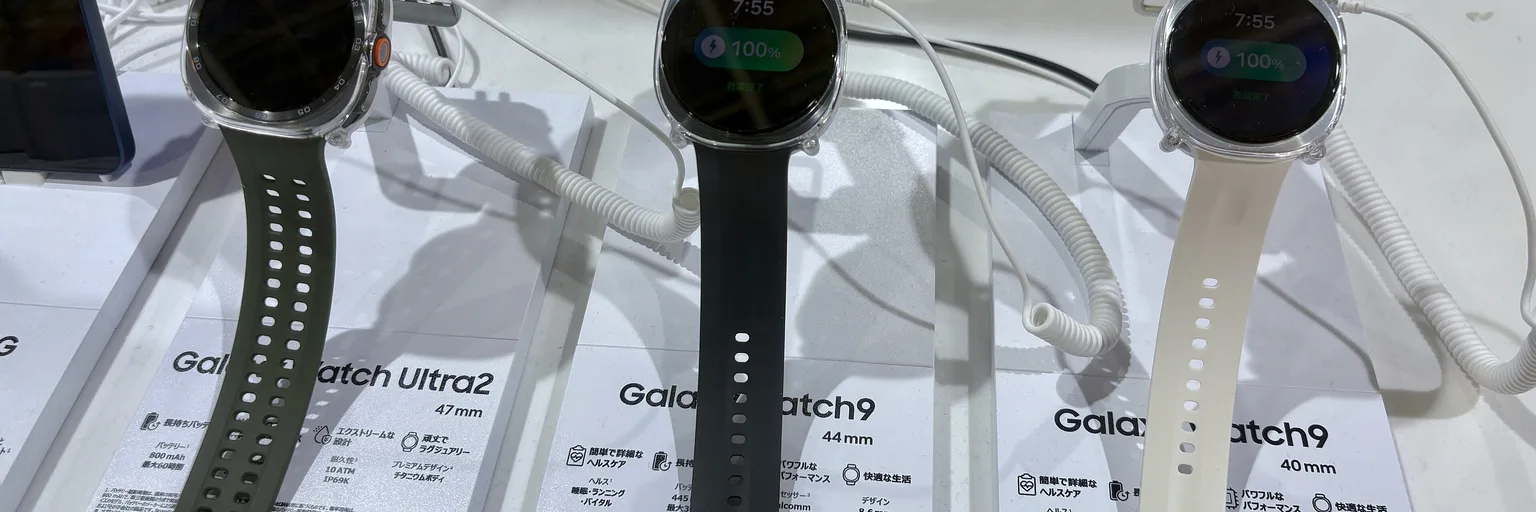
Galaxy Watch 9: A Powerful Smartwatch Hampered by Varied Battery Life
Samsung's latest wearable impresses with a potent processor and refined features, yet conflicting reports on its battery life present a complex picture for user expectations.
Wired Headphones: The Unplugged Revolution Against Digital Fatigue
The surprising comeback of wired headphones, fueled by celebrity endorsements and Gen Z's affinity for 'retro' tech, signals a profound cultural shift towards digital detox and tangible simplicity.

Google's Fitbit Edge: The Smartwatch Alternative We Need
The leaked Fitbit Edge, with its screen and impressive battery life, offers a compelling middle ground between basic fitness trackers and complex smartwatches for everyday users.