Samsung can't sell longevity on phones and walk away from watches
Reports say Samsung may end OS upgrades on older Galaxy Watches. After a seven-year phone promise, that would undercut the whole pitch on devices that cost real money.
AI-generated image
Can a company brag about seven years of updates for your phone and then quietly shrug at the watch on your wrist? That is the uncomfortable question Samsung faces after Android Authority reported that it is considering ending OS upgrades on older Galaxy Watches.
The report is thin on detail, and we should treat it as a report, not a decision. But the context is clear enough. The Galaxy Watch 9 and Galaxy Watch Ultra 2 are set to get five major Wear OS updates, while SamMobile notes that older models still sit on the previous four-upgrade policy and that Samsung has not said whether they will be brought up to date. Meanwhile, the Galaxy Watch 4 and Watch 4 Classic have already reached the end of the line, with an August 2026 security update as their last, according to Notebookcheck.
The phone promise is the standard you set yourself
Samsung has spent years turning update length into a selling point. As Android Police points out in its One UI 9 piece, the Galaxy S24 series was the first lineup to get the seven-year guarantee, and the company is now bringing newer Galaxy AI features to those older phones. That is exactly the story a brand wants: buy once, keep going.
Now compare that with the watch. A smartwatch is not a cheap accessory. One UK roundup puts a brand new smartwatch at £300+. If a device in that price range is cut off from major OS upgrades after a few years, the longevity message starts to sound like a phone-only slogan.
In our view, that is the real problem. Users don't separate "my phone" from "my watch" when they judge a brand's promises. They see one ecosystem, one logo, one set of expectations.
Five upgrades for the new, silence for the old is a trust problem
Credit where it is due: five upgrades on the Galaxy Watch 9 is a genuine step up, and TechTimes frames it as two more years than Google's Pixel Watch. We think that is good news for new buyers.
But it creates a two-tier system. If the newest watches get five upgrades while a Galaxy Watch 7 or Watch Ultra, which SamMobile says are eligible for four generations, gets frozen early or left in limbo, owners will read it as a downgrade after the fact. Even if nothing is technically broken, the message is that the rules can change when a newer model arrives.
There is a fair counterargument. Watches have small batteries, limited storage and modest chips, and every Wear OS release asks more of them. Some cutoff is inevitable, and the Galaxy Watch 4 showed that Samsung does end support. We accept that. What we don't accept is the vagueness. Ending support is defensible; leaving buyers to guess is not.
What Samsung should do, and what you should do
Samsung should publish a clear support promise for every watch, with a number of OS upgrades and a security-patch end date, the way it does for phones. The same Android Police piece asks Samsung to say which missing phone features really depend on hardware. The same logic applies here: tell us what is a technical limit and what is a business choice.
For buyers, our advice is simple. Until Samsung puts something in writing, treat the support length as part of the price. If you are weighing a Galaxy Watch, the Galaxy Watch 9 is the safest bet on paper, though note that TechRepublic says Samsung's own launch specs do not state an upgrade count, so the five-upgrade figure is reported rather than officially confirmed in that spec material. And be wary of bargain used watches: that same UK roundup flags a 2018 model running the older Tizen OS, fine for basic tracking and nothing more.
Samsung has earned real goodwill with its phone update policy. Spending it on the wearables line would be a strange way to protect it.
No topics yet: start the first one.
More stories
"A small number" is not a fix: Google's Pixel Watch battery problem
Google says a fix for the Pixel Watch battery drain is coming, but "a small number of Pixel Watch users" and no timeline is a familiar way of shrinking a wearable defect.
Samsung admitted the Watch Ultra 2 bug. Now it owes owners a fix date
Samsung confirming the Galaxy Watch Ultra 2's VO2 Max problem is a good start, but a vague promise to fix it isn't a repair plan, and owners deserve specifics.
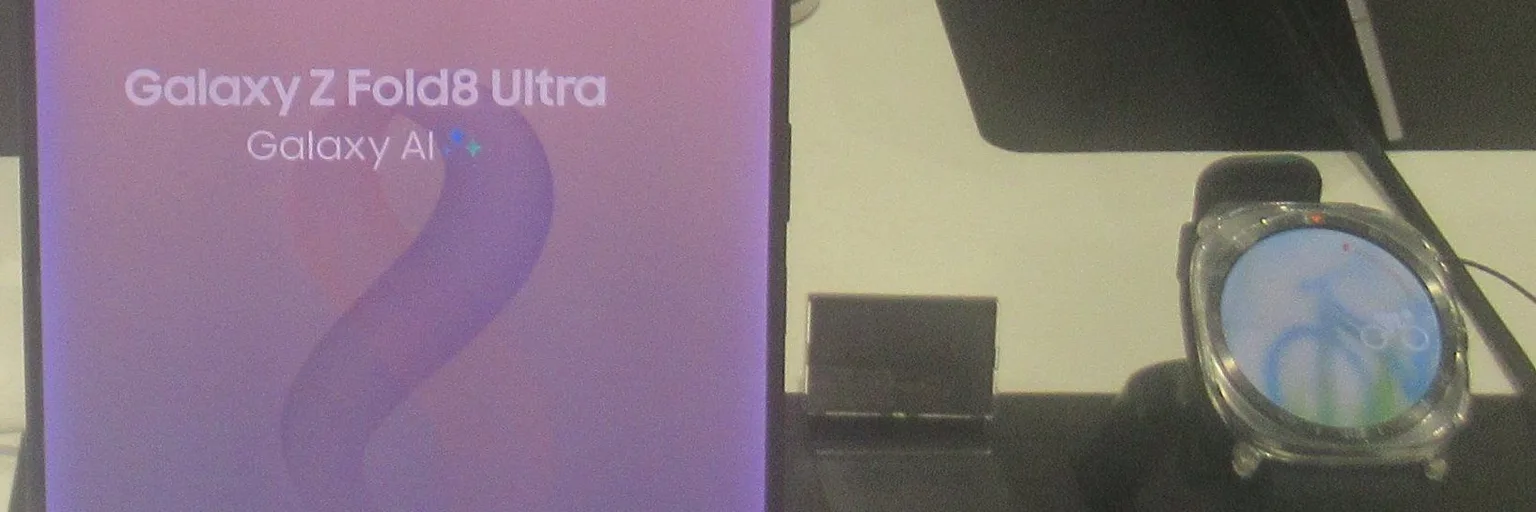
AirPods Pro 3 on Android: you pay for half the earbuds
Apple's flagship buds keep the sound on Android but drop the smarts that justify the price. Buyers should know it first, and Android rivals shouldn't copy the lock-in.
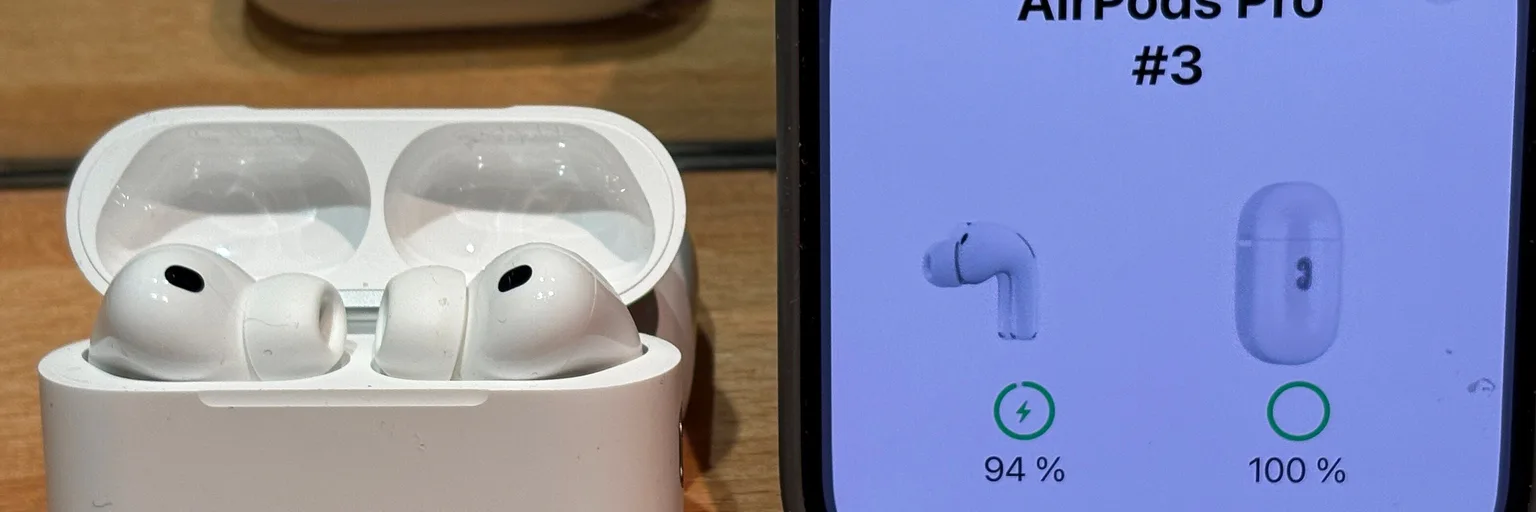
Auto workout detection matters more than any AI coach, if it works
Google Health 5.11 lifts automatic detection from 10 to 100+ activities. It's the unglamorous kind of upgrade that decides whether a smartwatch is useful or just decorative.