Non-Invasive Blood Sugar Tracking: The Promise Is Great, The Reality Still Lags
While the tech industry envisions wearables tracking glucose effortlessly, current devices face significant accuracy hurdles and regulatory warnings, making a truly non-invasive solution a distant goal.
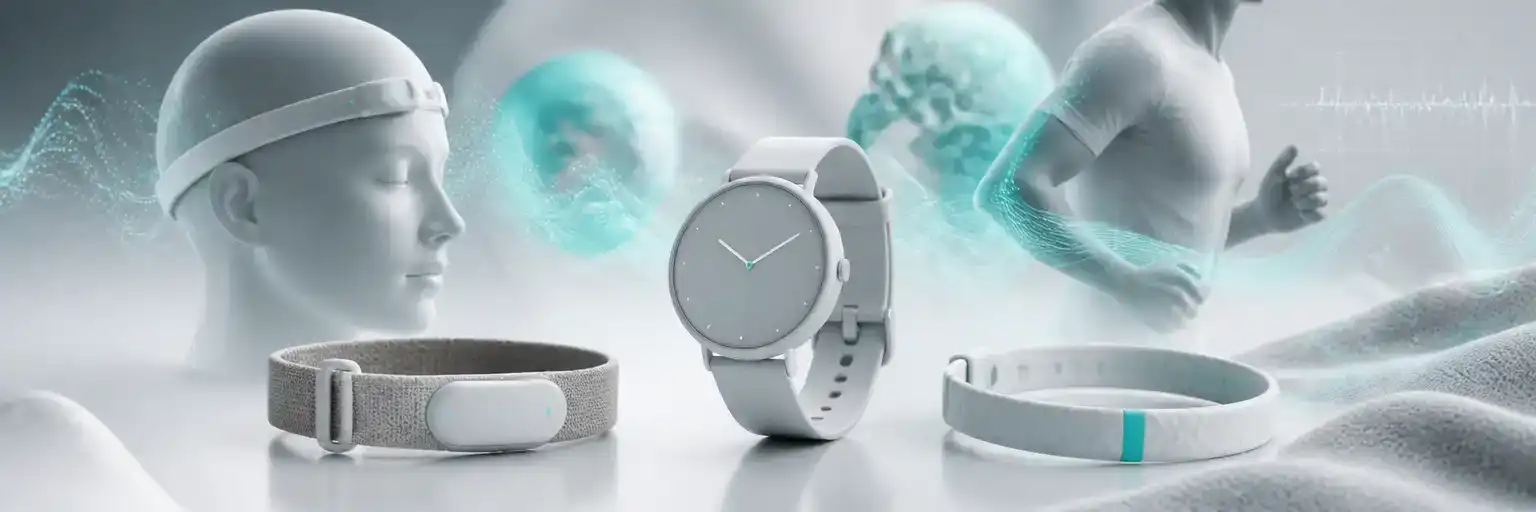
AI-generated image
The idea of a smartwatch or smart ring effortlessly tracking blood glucose levels throughout the day is a potent vision, promising a new era of proactive health management. It’s a goal that the technology sector, driven by consumer anticipation, is reportedly keen to achieve, hoping to shed the need for traditional finger pricks. However, despite fervent interest and the competitive push among manufacturers, we must ask: is truly accurate, non-invasive blood sugar tracking finally here in our everyday wearables, or is it still a promise on the horizon?
The reality, as of late 2026, presents a stark contrast to the widespread hope. While the integration of health monitoring into smart devices signifies a genuine shift toward personalized health, the technology for reliable, non-invasive glucose measurement in general consumer wearables faces substantial barriers. Regulatory bodies have issued clear warnings, indicating that the devices many hope for are simply not ready for prime time.
The Elusive Promise of Truly Non-Invasive Tracking
For anyone looking for a smartwatch or smart ring to accurately measure blood sugar without invasive methods, the message from health authorities is unambiguous: proceed with caution. The FDA explicitly stated in February 2024 that smartwatches and smart rings should not be used for this purpose, as they are not authorized and could produce inaccurate results. This warning remains critically relevant, as confirmed in January 2026, when it was reiterated that no smart ring can measure blood glucose with medical-grade accuracy comparable to FDA-cleared devices.
This isn't to say that research isn't progressing. Academic studies in 2024 have explored how wearable devices might achieve accurate results through continuous glucose readings over time [6]. Yet, the leap from academic research to consumer-ready, medically validated products is a significant one. We consistently see new wearables touted for their health features, but when it comes to blood glucose, the ability to guarantee accuracy for general purpose smartwatches and smart rings remains unfulfilled [5]. The dream of a fully integrated, non-invasive glucose sensor built directly into a standard consumer wearable is a complex technological challenge that has yet to be overcome with the necessary precision and regulatory approval.
CGMs: The Proven Path, and Smartwatch Integration
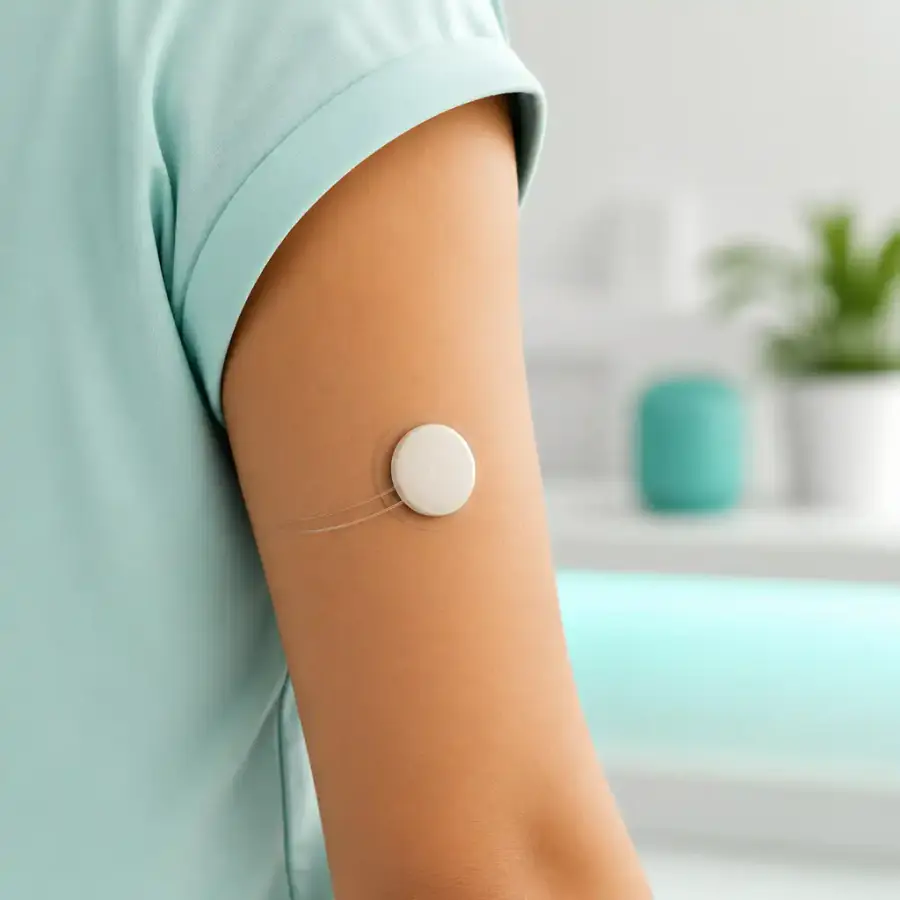
While general consumer wearables struggle with direct, non-invasive blood sugar measurement, it's crucial to distinguish them from Continuous Glucose Monitors (CGMs). These are medically approved, dedicated devices that do provide real-time blood sugar data without the need for traditional finger sticks. Products like the Dexcom G7 and FreeStyle Libre 2 are prime examples, using a small, subcutaneous filament to continuously monitor glucose levels [1, 17]. These systems are invaluable for people with type 1 and type 2 diabetes, helping them manage their condition and improve quality of life [1, 11].
Here’s where mainstream smartwatches enter the picture effectively: as display hubs for these medical-grade CGMs. For instance, the Dexcom G7 sensor connects directly to an Apple Watch, giving users the ability to receive glucose readings directly on their wrist. This integration allows users to benefit from the convenience of a smartwatch while relying on the proven accuracy of a medical device, which tracks glucose levels at intervals of a few minutes throughout the day [10]. Other wearable devices can also support diabetes management by tracking other health measures that can impact glucose levels, often pairing with a smartphone for data aggregation and insights [2]. This synergy, where the smartwatch acts as an interface for a dedicated CGM, represents the current reliable frontier of glucose monitoring through wearables, offering significant advancements for those who need it most.
What This Means for Consumers
The allure of an all-in-one wearable capable of accurate, non-invasive glucose tracking is undeniable, fueling considerable speculation and consumer excitement. However, based on current regulatory guidance and technological readiness, it's critical to set realistic expectations. For effective diabetes management, medically approved continuous glucose monitors (CGMs) remain the gold standard, offering the precision and reliability necessary for health decisions. While smartwatches and smart rings offer compelling health-tracking features, they should be viewed as complementary tools that, for now, excel at displaying data from dedicated CGMs, rather than replacing them for direct, non-invasive glucose measurement. The future promises true non-invasive solutions, but today, vigilance and reliance on validated medical technology are paramount.
No topics yet: start the first one.
More stories
Why Annual Smartwatch Upgrades Are No Longer a Smart Move
As incremental innovations slow, consumers are increasingly questioning the value of yearly smartwatch purchases, signaling a market shift towards durability and meaningful utility over constant newness.

The Discreet AI Revolution: Why Specialized Wearables Are the Future
New devices like Mobvoi's TicNote Watch, Deepinder Goyal's Temple, and Google's screenless Fitbit Air signal a powerful industry shift, prioritizing specialized, AI-driven insights over general-purpose, screen-heavy gadgets.