Mobilsfera Newsroom
Samsung's AI dictation cleanup is smart, but only if it stays local
Samsung is reportedly testing "Refine Voice Input" to clean up what you dictate. Whether it runs on-device and stays free will decide if it beats Gboard.
Samsung is reportedly testing "Refine Voice Input" to clean up what you dictate. Whether it runs on-device and stays free will decide if it beats Gboard.
Google's new wake phrase works on its glasses but not on phones or speakers. We think that's a strategy, and it's a good reason to wait before preordering.
A reported $4.99 Galaxy AI Premium plan would put caps on features buyers got at purchase. Samsung needs to promise, in writing, that what shipped free stays free.
Microsoft is reportedly pulling Copilot from Samsung and LG TVs on December 1, 2026. Anyone who counted AI as a reason to buy a screen just learned how revocable that promise is.
The padlock means one thing between you and a friend and something subtler when you talk to Meta AI. Until the label says which is which, treat AI chats as not private.
A forensic tool from Georgia Tech suggests deleted AI conversations can linger on Android phones. App makers owe users a plain-spoken definition of "delete."
Letting Claude and GPT into Android Studio admits developers pick tools over loyalty. Whether app quality wins depends on whether Gemini keeps a privileged spot.
iOS 27.3 brings a trimmed Apple Intelligence to China, built on Alibaba's models: a bid to stay relevant at the price of a different product.
OpenAI's agents now text you through iMessage and RCS. It's handy, but a thread that looks like a chat with a friend is really a pipe to a company's servers.
The new terms hit business accounts, not personal profiles, but accepting them by simply continuing to use Meta's products is the real problem.
A launch-day jailbreak, helped by AI, suggests Apple can't count on fresh hardware to buy time. Buyers should judge it by how fast patches arrive, not by perfection.
Google says your Gmail, Drive and Photos aren't used for ads by default. The new exception for connected services shows why "free" always deserves a second look.
WhatsApp says it only wanted its chatbot to skip legal advice. But hidden rules that keep privacy authorities out of the conversation are exactly why bot prompts should be public.
OpenAI’s new PIN and biometric locks hide sensitive chats from casual snooping, but they do not change retention, training settings, or account-level exposure.
Apple Watch Series 12 shows how wearables are moving beyond notifications, but health ambitions demand stronger evidence, privacy safeguards and longer battery life.
The bankruptcy and partial Disney acquisition of Character.AI, amidst lawsuits over teen suicides, starkly reveals the ethical tightrope user-generated AI platforms must walk.
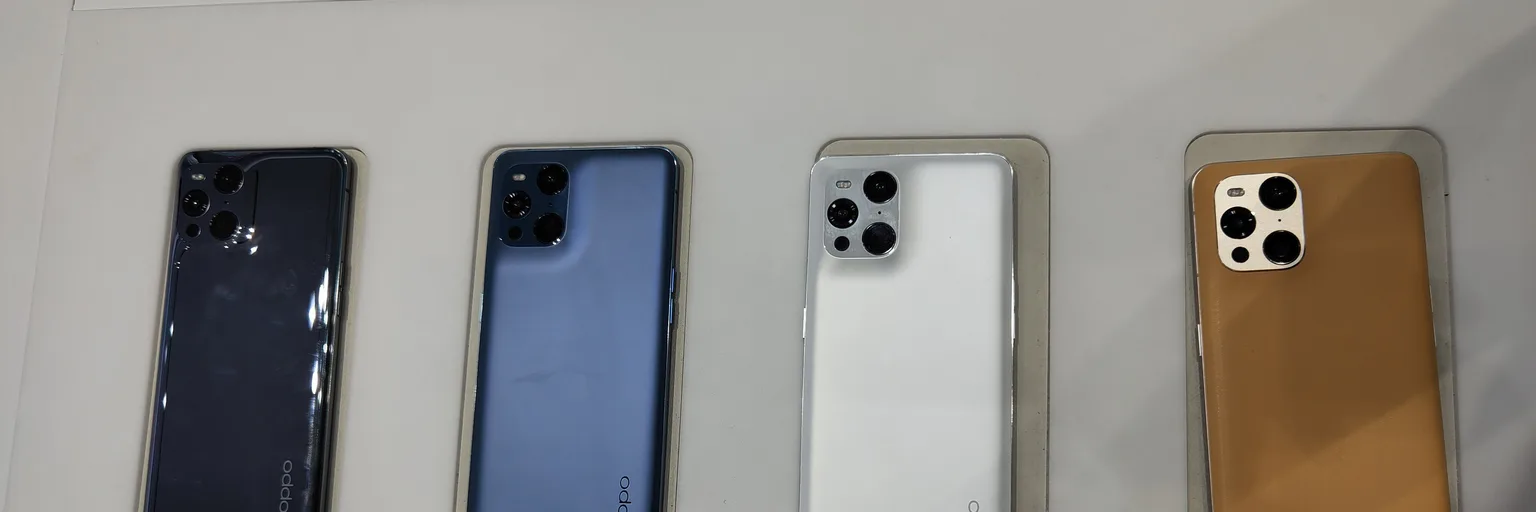
With its "true-to-life" imaging, triple 200MP cameras, and advanced AI, the OPPO Find X10 Series is directly confronting the photography dominance of Google Pixel and Samsung Galaxy, aiming to redefine realism in smartphone photography.
Apple's latest iOS beta updates Siri with advanced AI capabilities and introduces transformative multimedia functions, signaling a strategic shift towards deeply integrated user interaction and content experiences, though not without caveats for European users.
Amazon's new Bee Frontier and Eclipse wearables offer low upfront costs, but their core utility is locked behind a $11.99 monthly subscription, forcing a trade-off between convenience, privacy, and the true price of personal AI.
Google Play's new personal app publishing feature, allowing users to create and install AI-generated tools for their devices, subtly blurs the lines between app development and everyday utility, hinting at a more personalized mobile future.
YouTube's 'Ask YouTube' feature, now widely available on Android and iOS, marks a pivotal shift from traditional keyword searches to intuitive, conversational AI, promising a more personalized and efficient way to explore video content on the go.
The latest Android Auto beta reveals tantalizing clues about forthcoming Gemini AI integration and hints of enhanced dual-SIM functionality, promising a truly transformed and personalized in-car experience that addresses core user needs.
Samsung's rumored move to rebrand One UI 10 as 'Galaxy OS' in 2028 signifies a profound strategic shift, aiming to unify its sprawling ecosystem and redefine the Android experience with a deeply integrated, agentic AI.
Google's latest AI-powered scam prevention for Android messages and calls is a vital step against evolving fraud, yet it subtly redefines our relationship with smartphone privacy, even with on-device processing.
An unexpected user rebellion is brewing on Android, as a workaround to revert from Gemini to Google Assistant highlights a clear preference for proven functionality over Google's aggressive AI push.
OPPO’s new ColorOS 17 unifies software across three major brands while introducing a suite of advanced AI and fluidity features, positioning it as a significant differentiator in a competitive smartphone market.
The dominant chip equipment maker's robust performance projections and optimistic long-term outlook signal a vibrant future for advanced semiconductors, directly fueling the next wave of smartphone innovation.
While Gemini 4 Argon showcases Google's advanced AI capabilities for enterprise and coding, its current rollout emphasizes cloud-based solutions, leaving the promise of powerful on-device mobile AI a future prospect.
Etisalat's launch of 5.5G in the UAE, specifically tripling upload speeds, highlights a critical shift in mobile network priorities driven by the exploding demand for content creation and AI-powered apps.
Despite a reputation for simplicity, many powerful iOS features remain deeply hidden, turning users into accidental explorers and sparking debate on Apple's approach to user education versus the joy of organic discovery.
Google's Pixel 11 Pro offers advanced cameras and AI, but its premium price struggles to justify itself when the standard Pixel 11 delivers comparable everyday performance and features for less.
The competition between Meta Muse and OpenAI Dot promises a new era of AI-controlled devices, but the true price for users might be far more than just a monthly subscription.
While Android and iPhone earthquake alert systems offer invaluable seconds of warning, their rise prompts a critical look at our readiness to act and the dangers of over-reliance on a single digital guardian.
Qualcomm's new Snapdragon 8 Elite Gen 6 chips, especially the 'Extreme' variant, promise to transform Android flagships into proactive AI agents, potentially setting a new standard for smartphone intelligence.
La ejecución nativa de Grand Theft Auto IV en Android sin emulación tradicional, impulsada por IA, no es solo un truco técnico, sino una ventana a un futuro donde los límites del gaming móvil se redefinen.
Apple's strategic 'acqui-hire' of Huxe's talent and tech signifies a shift for Siri, transforming it from a reactive assistant into a proactive, personalized audio companion capable of dynamic, interactive briefings.
Leading AI companies are requesting smartphones capable of continuously running 100-billion-parameter AI models by 2028, a monumental challenge that faces significant memory and thermal hurdles, making it more an industry aspiration than a guaranteed outcome.
With a new smartphone appearing every 12 hours in Europe, and giants like Apple and Samsung slashing production, the market is signaling a critical breaking point.
Amazon's bold decision to ditch Fire OS for full Android and Google Play Store access on its new Alexa Tablets signals a strategic pivot, aiming for broader appeal and direct competition in the premium tablet segment.
The latest Gemini update, which allows users to select map areas for prompts, fundamentally shifts how we interact with AI for local discovery and real-world tasks, making it genuinely context-aware.