Google's Fitbit Edge: The Smartwatch Alternative We Need
The leaked Fitbit Edge, with its screen and impressive battery life, offers a compelling middle ground between basic fitness trackers and complex smartwatches for everyday users.
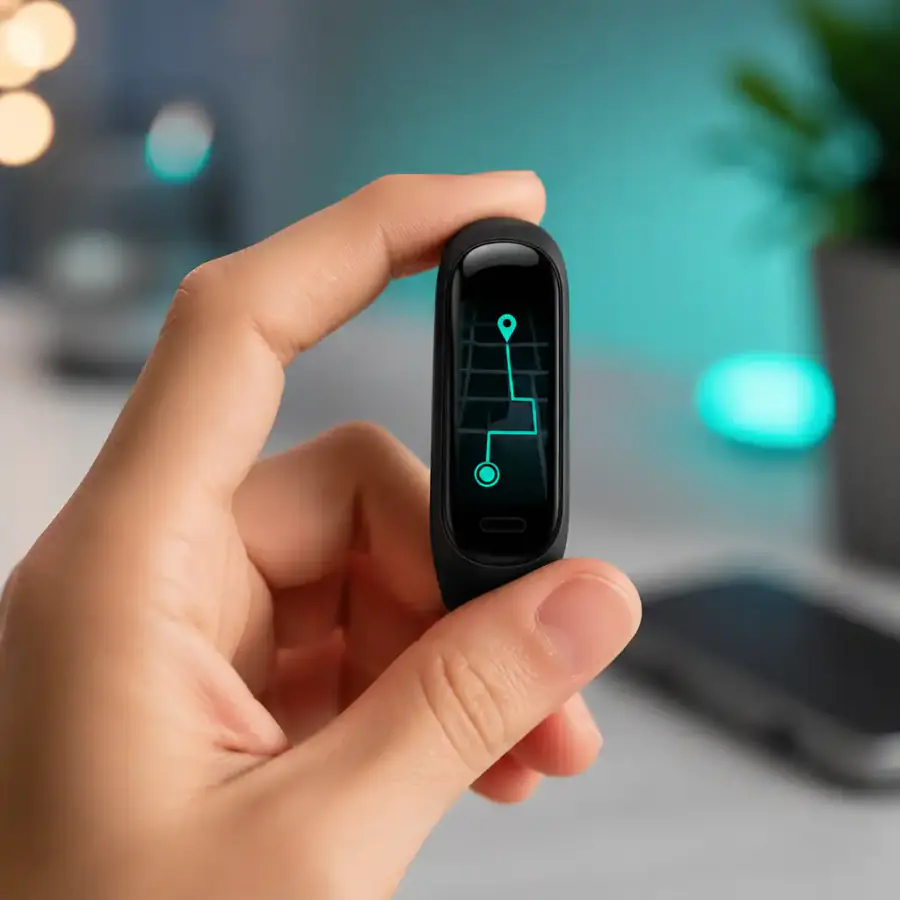
AI-generated image
The wearable market often presents a stark choice: a minimalist fitness band that sacrifices a screen for simplicity and battery life, or a full-fledged smartwatch packed with features that often come with a premium price tag and daily charging. But what if Google is poised to offer a more practical, balanced alternative? The newly leaked Fitbit Edge suggests a strategic move to carve out a compelling middle ground, potentially shaking up how many users approach their health tracking and daily connectivity.
Recent leaks have unveiled the Fitbit Edge, a device that appears to be Google’s answer to this dilemma. Positioned squarely between the screenless Fitbit Air and the advanced Pixel Watch 5, the Edge is reportedly a successor to the Fitbit Charge series, which hasn't seen an update since 2023. This upcoming tracker is set to feature a convex color display, built-in GPS, and an altimeter, all while promising an impressive battery life and cross-platform compatibility. It looks like Google is ready to refresh its lineup with a device designed for the masses who want more than basic step counting without the full smartwatch commitment.
A Screen Without the Smartwatch Overload
The most significant draw of the Fitbit Edge is its promise of a screen without the typical smartwatch baggage. The Fitbit Air, a hit for its affordability and accurate health tracking, famously lacks a display, appealing to those who prefer discreet, passive monitoring. The Pixel Watch 5, on the other hand, offers a rich Wear OS experience with Wi-Fi, LTE, and a full app ecosystem, but at a higher price point and with the need for frequent recharging. The Edge, as revealed by sources like Android Police, aims to combine the best of both worlds.
With its small color display, the Edge will offer on-wrist information like time, date, and notifications. Crucially, it will also support limited app functionality, including Google Maps for navigation and YouTube Music controls, as reported by Engadget. This selection is highly strategic; it provides the most useful smartwatch-like features for daily life and workouts without overwhelming the device with a full app store that drains battery. The reported seven-day battery life, a significant advantage over most smartwatches, underscores its appeal as a practical, low-maintenance daily companion. Furthermore, its support for both Android and iOS devices means a wider audience can benefit from its capabilities.
The Sweet Spot for the Everyday User
For years, many consumers have been caught between two extremes. They might find a basic fitness band too restrictive, lacking the immediate feedback or smart notifications they desire. Conversely, a high-end smartwatch might be overkill, too expensive, or simply too complex for their needs. The Fitbit Edge appears custom-built for this underserved segment. With an estimated price point between $150 and $200, the Edge slots neatly between the $100 Fitbit Air and the $400 Pixel Watch 5, offering a clear value proposition, according to Engadget.
This pricing strategy makes advanced tracking features more accessible. The inclusion of built-in GPS, as highlighted by BigGo Finance, means users can track outdoor runs and rides accurately without needing to carry their phone. An altimeter adds elevation tracking, catering to hikers and those interested in more comprehensive activity data. These are not trivial additions; they elevate the Edge beyond a simple step tracker, making it a powerful tool for dedicated fitness enthusiasts who prioritize utility and battery life over a full, complex operating system.
Google's Calculated Wearable Strategy
The introduction of the Fitbit Edge signals a maturing and well-thought-out wearable strategy from Google. With the screenless Fitbit Air, the new Fitbit Edge, and the premium Pixel Watch 5, Google is establishing a clear three-tiered lineup, ensuring there's a device for nearly every preference and budget. The Air serves those who want minimal intrusion, the Edge caters to users seeking a balanced blend of smarts and endurance, and the Pixel Watch provides the full smartwatch experience.
This move also addresses a significant gap in Google's lineup, with the Charge series having been neglected for some time. The Edge effectively modernizes the popular Charge form factor, bringing it up to speed with contemporary expectations for design and functionality, including new color options like Rose Peach and Olive that align with the Pixel 11 smartphones. By offering distinct options, Google can capture a broader share of the wearable market, reinforcing Fitbit's legacy in health tracking while integrating it more seamlessly into the broader Google ecosystem.
In our view, the Fitbit Edge isn't just another tracker; it's a smart strategic play by Google that could finally deliver the practical, feature-rich, and affordable wearable many users have been waiting for. It looks poised to strike the perfect chord for those who want to stay connected and track their health effectively, without the complexity or cost associated with a full smartwatch.
No topics yet: start the first one.
More stories
Non-Invasive Blood Sugar Tracking: The Promise Is Great, The Reality Still Lags
While the tech industry envisions wearables tracking glucose effortlessly, current devices face significant accuracy hurdles and regulatory warnings, making a truly non-invasive solution a distant goal.

Why Annual Smartwatch Upgrades Are No Longer a Smart Move
As incremental innovations slow, consumers are increasingly questioning the value of yearly smartwatch purchases, signaling a market shift towards durability and meaningful utility over constant newness.

The Discreet AI Revolution: Why Specialized Wearables Are the Future
New devices like Mobvoi's TicNote Watch, Deepinder Goyal's Temple, and Google's screenless Fitbit Air signal a powerful industry shift, prioritizing specialized, AI-driven insights over general-purpose, screen-heavy gadgets.