Samsung and Google's Gemini glasses win or lose on trust, not specs
A 12 MP camera and 9 hours of battery are table stakes. The glasses arriving December 10 will matter only if they work across phones and stay honest about privacy.
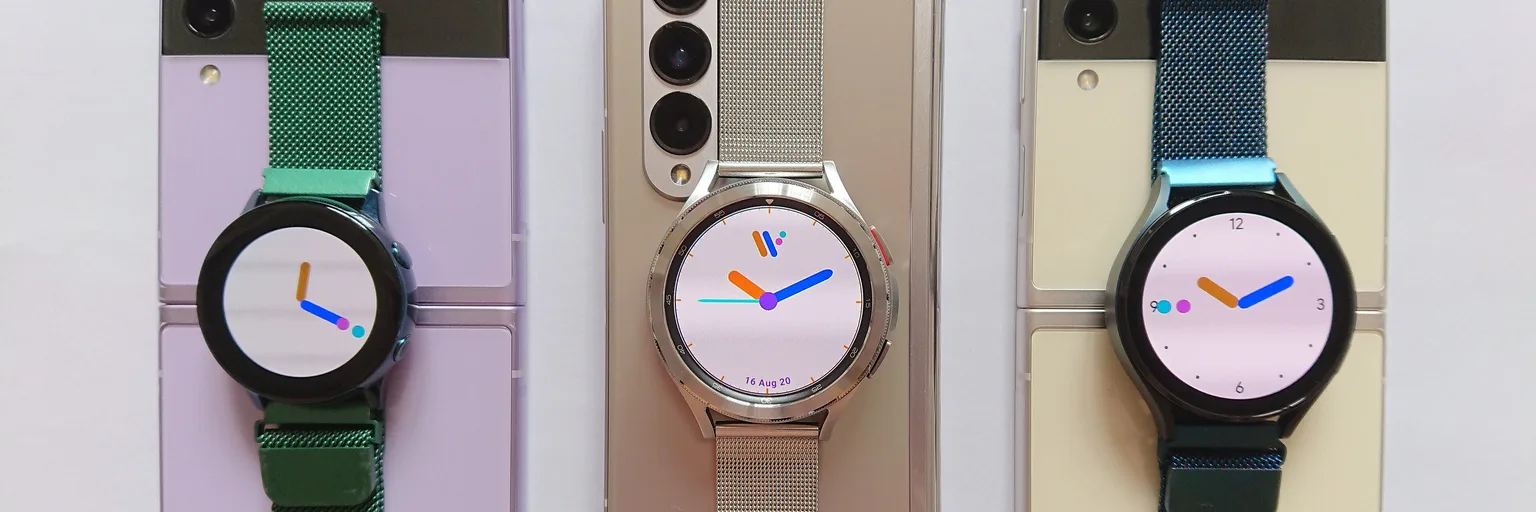
Engadget reports the Galaxy Watch 4 got the four updates it was promised. Fine, but a promise owners must decode themselves is not much of a longevity pitch.
The leaks describe a Fit3 with a taller screen and a Bluetooth upgrade. That is fine, but only a sharp price and serious battery life would give the Galaxy Fit4 a reason to exist.
Google says a fix for the Pixel Watch battery drain is coming, but "a small number of Pixel Watch users" and no timeline is a familiar way of shrinking a wearable defect.
Reports say Samsung may end OS upgrades on older Galaxy Watches. After a seven-year phone promise, that would undercut the whole pitch on devices that cost real money.
Samsung confirming the Galaxy Watch Ultra 2's VO2 Max problem is a good start, but a vague promise to fix it isn't a repair plan, and owners deserve specifics.
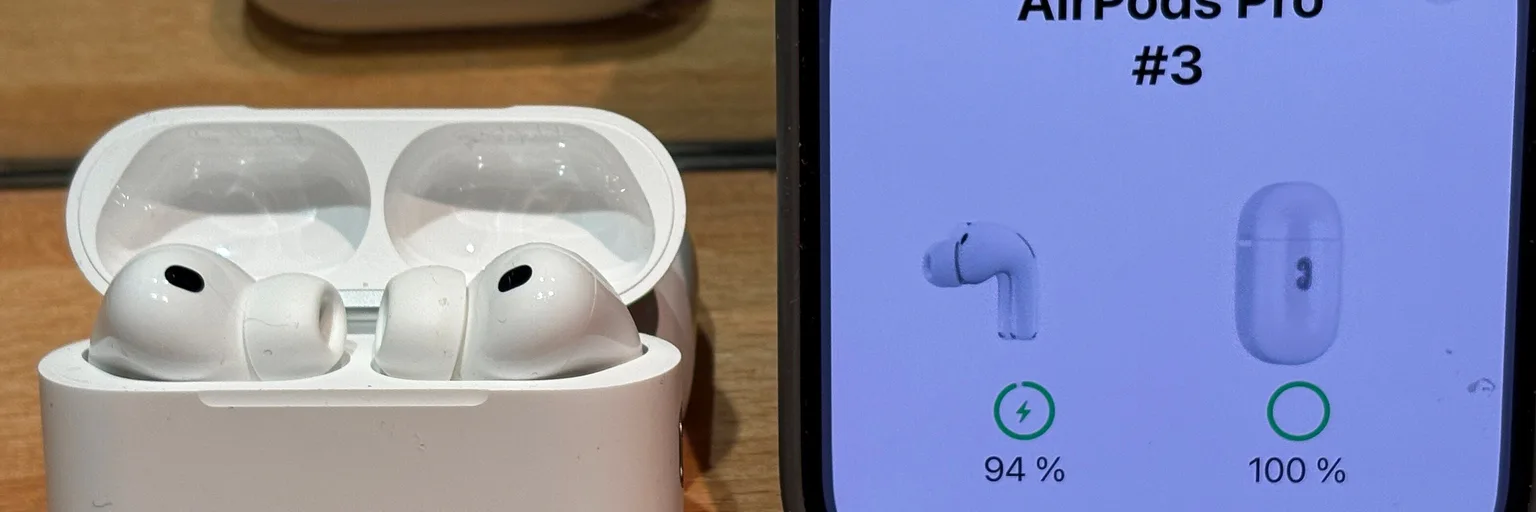
Apple's flagship buds keep the sound on Android but drop the smarts that justify the price. Buyers should know it first, and Android rivals shouldn't copy the lock-in.
Google Health 5.11 lifts automatic detection from 10 to 100+ activities. It's the unglamorous kind of upgrade that decides whether a smartwatch is useful or just decorative.
Red marks and blisters under the sensors of several Galaxy Watch models may not be burns, but Samsung's silence and advice-only answers aren't enough for a device worn all night.
Apple Watch Series 12 shows how wearables are moving beyond notifications, but health ambitions demand stronger evidence, privacy safeguards and longer battery life.
Garmin’s latest updates show how software longevity can make an expensive watch feel like a lasting platform—if owners know what they will actually receive.
While smartphones are a known danger, smartwatches present an emerging, and often overlooked, threat to road safety due to their unique distraction profile and legislative ambiguity.
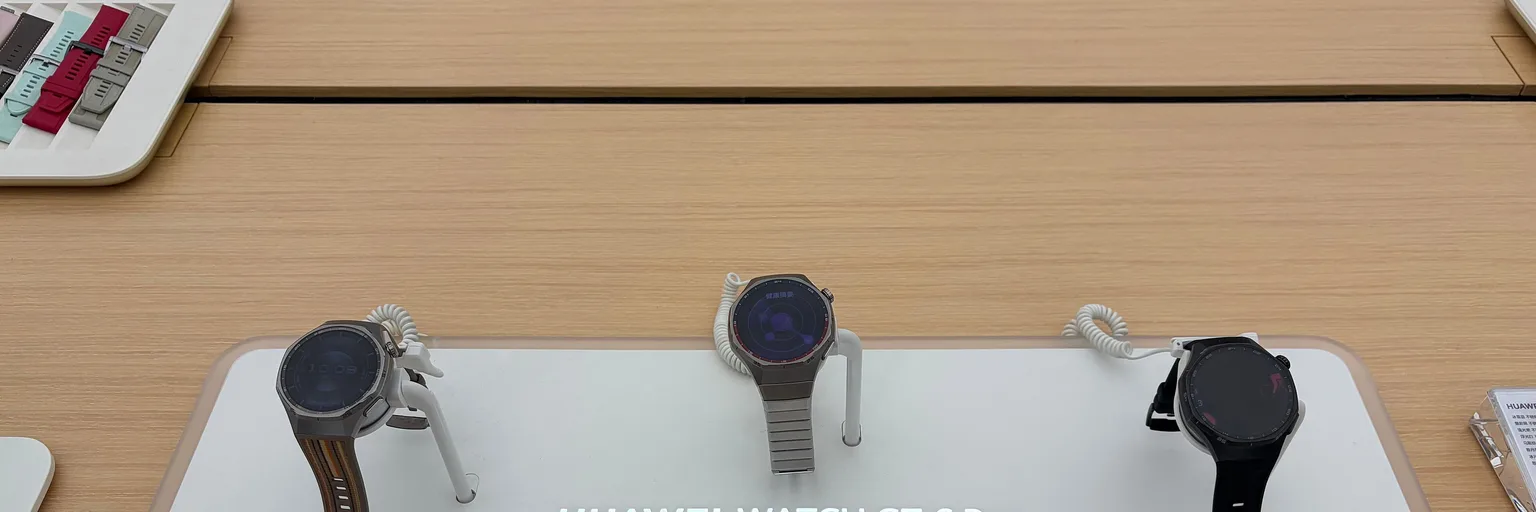
Huawei's latest flagship wearable, the WATCH 6 Pro, makes a bold entry with luxurious materials and a comprehensive feature set, aiming to disrupt the high-end smartwatch market against established rivals.
Samsung's One UI 9 Watch beta, powered by Wear OS 7, represents a strategic push to redefine its wearables through deeper software integration, intelligent functionality, and improved user experience, positioning it as a formidable Apple Watch competitor.
TAG Heuer's decision to cease its Connected smartwatch production highlights the inherent conflict between luxury's timeless appeal and technology's relentless obsolescence, posing a critical question for high-end brands entering the wearables market.
XREAL's latest AR glasses offer significant upgrades in visual fidelity and comfort, making them genuinely useful for movies, gaming, and productivity, though they remain tethered and face typical limitations.
Amazon's new Bee Frontier and Eclipse wearables offer low upfront costs, but their core utility is locked behind a $11.99 monthly subscription, forcing a trade-off between convenience, privacy, and the true price of personal AI.
An ambitious open-source project allows Apple Watch pairing with Android phones without an iPhone, challenging Apple's ecosystem lock-in, yet its practical appeal remains limited to a niche.
Samsung's latest wearable impresses with a potent processor and refined features, yet conflicting reports on its battery life present a complex picture for user expectations.
The surprising comeback of wired headphones, fueled by celebrity endorsements and Gen Z's affinity for 'retro' tech, signals a profound cultural shift towards digital detox and tangible simplicity.