The Discreet AI Revolution: Why Specialized Wearables Are the Future
New devices like Mobvoi's TicNote Watch, Deepinder Goyal's Temple, and Google's screenless Fitbit Air signal a powerful industry shift, prioritizing specialized, AI-driven insights over general-purpose, screen-heavy gadgets.
AI-generated image
Are we witnessing the quiet revolution of wearables, one that moves beyond the smartwatch as a general-purpose mini-computer? For years, the prevailing trend has been to cram more features and larger screens onto our wrists. Yet, a new wave of devices suggests a radically different path: one where technology becomes more specialized, more discreet, and profoundly integrated into our lives through AI.
The past few days have highlighted this nascent shift with the launch of Mobvoi's TicNote Watch, the ongoing development of Deepinder Goyal's brain-monitoring Temple, and Google's screenless Fitbit Air. These are not just incremental updates; they represent a fundamental rethinking of what a wearable can be and, more importantly, what it should do. Each device, in its own way, sheds the expectation of being a digital Swiss Army knife in favor of excelling at one or two highly specific, AI-powered functions.
The Invisible Assistant: Listening, Not Notifying
Mobvoi's TicNote Watch is a prime example of this laser-sharp specialization. While it may look superficially like a smartwatch, its core purpose is far more focused: to record, transcribe, and summarize conversations directly from your wrist. This isn't about checking messages or tracking steps; it's about providing an AI-powered personal assistant specifically for productivity and memory enhancement. Imagine effortlessly capturing every key point from a meeting, a spontaneous idea, or even a detailed interview without fumbling for your phone or a notepad.
The ability for offline recording and summarization underscores a design philosophy centered on seamless integration into a busy workflow. Mobvoi's approach effectively turns your wrist into a powerful, always-ready scribe, positioning the TicNote Watch as an AI agent powered voice recorder designed for both productivity and privacy, as outlined on Mobvoi's own site. This marks a significant departure from general-purpose smartwatches, where AI often feels like an overlay rather than the defining feature.
Unlocking the Brain: Health Tracking's Next Frontier
While Mobvoi focuses on productivity, Deepinder Goyal's Temple wearable ventures into an entirely new dimension of personal health. This device, currently under development, isn't concerned with heart rate or sleep cycles in the traditional sense. Instead, Temple is designed to track cerebral blood flow and oxygenation, providing insights into what it terms
No topics yet: start the first one.
More stories
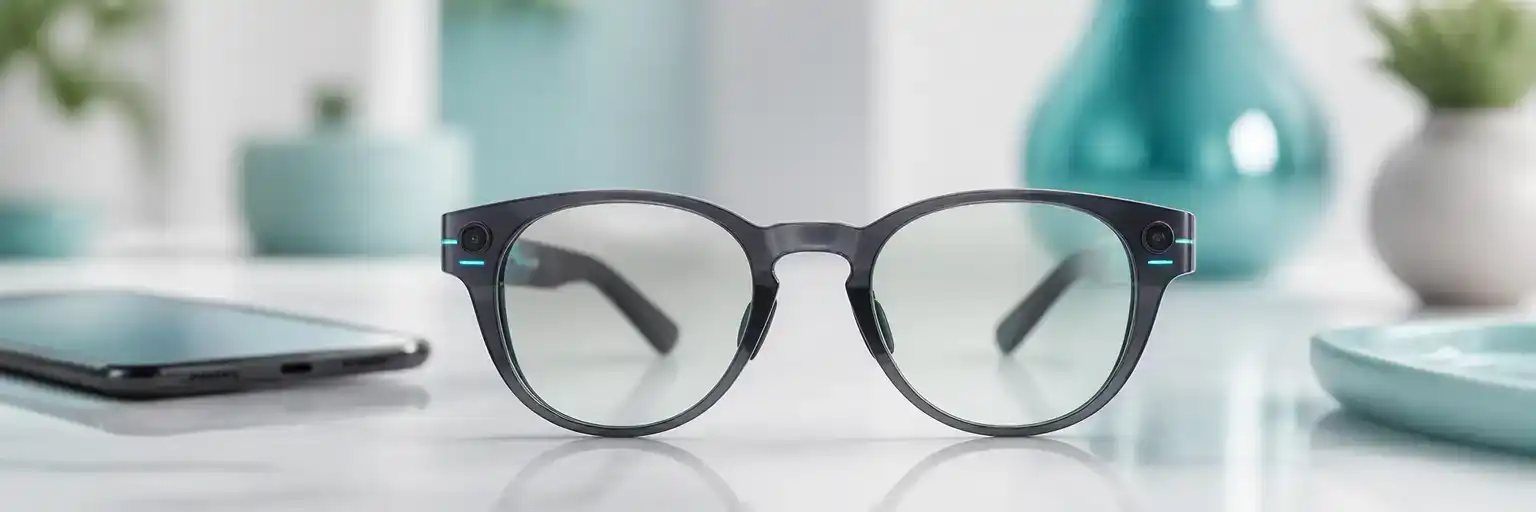
Samsung and Google's Gemini glasses win or lose on trust, not specs
A 12 MP camera and 9 hours of battery are table stakes. The glasses arriving December 10 will matter only if they work across phones and stay honest about privacy.
Samsung kept its Galaxy Watch 4 promise, and that's exactly the problem
Engadget reports the Galaxy Watch 4 got the four updates it was promised. Fine, but a promise owners must decode themselves is not much of a longevity pitch.

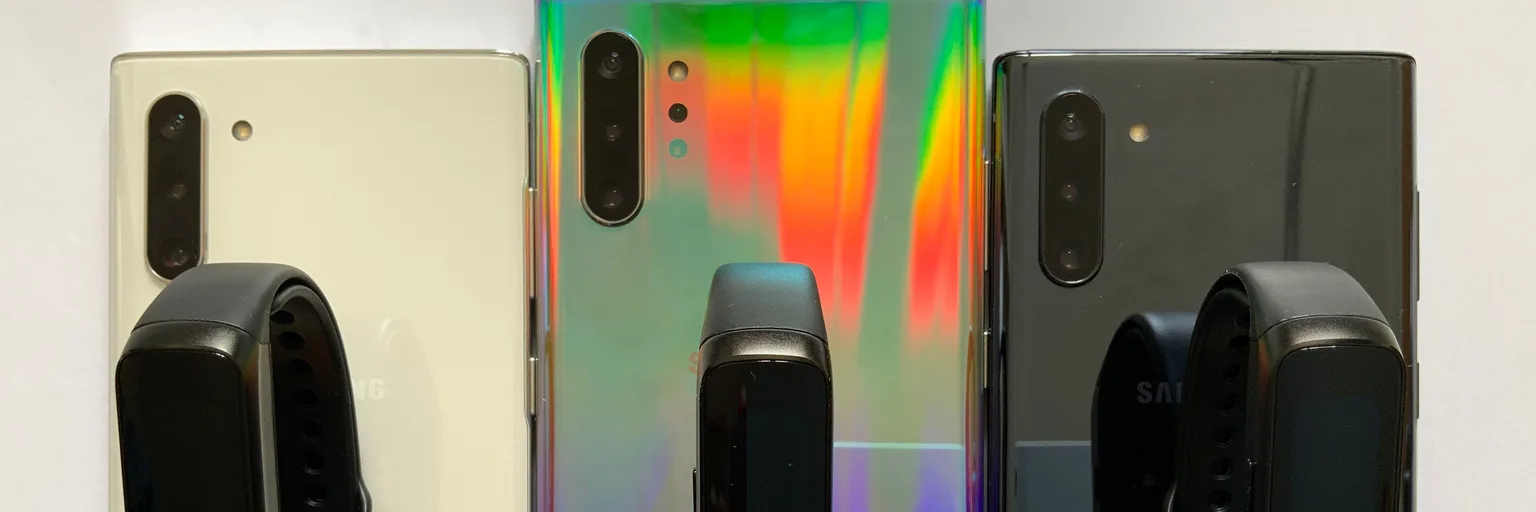
Galaxy Fit4 only makes sense if Samsung treats it as a real budget band
The leaks describe a Fit3 with a taller screen and a Bluetooth upgrade. That is fine, but only a sharp price and serious battery life would give the Galaxy Fit4 a reason to exist.
"A small number" is not a fix: Google's Pixel Watch battery problem
Google says a fix for the Pixel Watch battery drain is coming, but "a small number of Pixel Watch users" and no timeline is a familiar way of shrinking a wearable defect.