NFC Transforms Google Find Hub: The Hunt for Lost Items Just Got Smarter
With NFC integration, improved setup, and native lost-item reminders, Google's Find Hub is poised to become a formidable challenger in the competitive market for tracking devices, offering users a more intuitive and widespread solution.
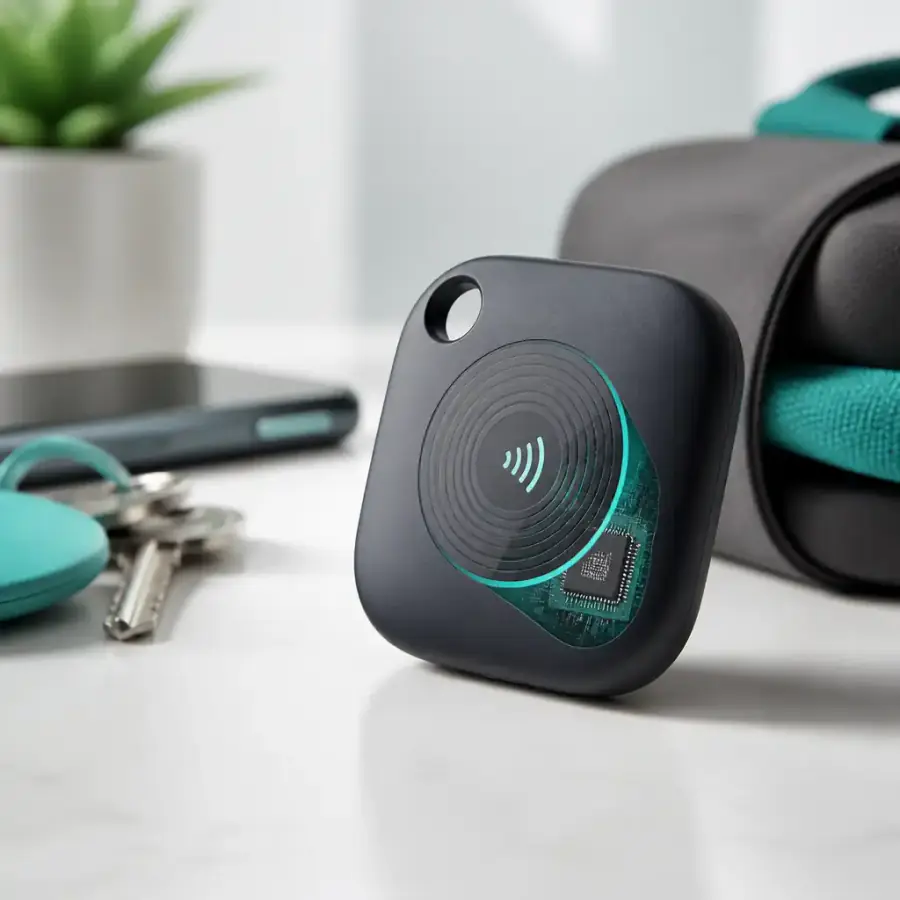
AI-generated image
Few things are as frustrating as losing a prized possession. For years, the market for lost item trackers has seen a fierce battle for dominance, with Apple's Find My network often cited as the gold standard. But does Google's latest move with Find Hub, integrating NFC support, signal a significant shift in this landscape? We believe it does, marking a leap forward that promises to make finding lost items easier and more ubiquitous for Android users.
Google has begun rolling out its October 2026 System Services update, which includes substantial enhancements for its Find Hub platform. The most impactful additions are NFC support for Find Hub tags, coupled with a significantly improved setup and management experience, all through the latest version of Google Play services. This isn't just a minor tweak; it's a strategic upgrade that refines the entire user journey, from initial setup to eventual recovery.
NFC: The Key to Ubiquitous Discovery
The integration of Near Field Communication (NFC) into Find Hub tags is arguably the most transformative aspect of this update. Imagine finding a lost item with a Find Hub tag: instead of needing a specific app or a complex pairing process, an NFC-enabled Android device can simply tap the tag to quickly access its details and settings, or to identify a lost tag and display the owner's contact information. This functionality, identified in the app files of Google Play services v26.33.60, dramatically lowers the barrier for Good Samaritans to help reunite lost items with their owners, making the act of returning a found item almost instantaneous and universally accessible.
Crucially, for this feature to work, both the Android device and the Find Hub tag must support NFC, as reported by Jetstream. This suggests a future where NFC becomes a standard feature across upcoming Bluetooth tracker tags, including a potential Google Pixel Tag.
Streamlined Setup and Proactive Reminders
Beyond NFC, Google's update significantly refines the user experience with an improved initial setup flow for Find Hub tags. Users can now seamlessly configure categories and rename tags directly during the initial setup process, a marked improvement over the previous method that required separate configuration after initial pairing. This change makes onboarding new tags far more intuitive and less cumbersome.
Moreover, "left-behind reminder" features are now receiving native support within the Android Find Hub app and its compatible tags. Previously, these valuable alerts were often implemented as third-party features by individual tag manufacturers. By bringing this functionality directly into the core Find Hub experience, Google ensures a consistent and reliable way for users to be notified if they accidentally leave an important item behind, enhancing peace of mind and preventing losses before they even happen.
No topics yet: start the first one.
More stories
WhatsApp's Forced Upgrades: Security Imperative or Obsolescence Push?
WhatsApp's new server-side blocks, citing security for outdated Android and iOS versions, compel users to upgrade their devices for basic functionality, underscoring constant pressure within the smartphone ecosystem.

Google Gemini's Map Tool: A New Era for Location-Aware AI
The latest Gemini update, which allows users to select map areas for prompts, fundamentally shifts how we interact with AI for local discovery and real-world tasks, making it genuinely context-aware.

Digital Wallets: The End of Your Physical Wallet Is Nigh
As Apple and Google wallets integrate payments, digital IDs, and essential documents, they are redefining personal verification and rapidly making the physical wallet an outdated relic.

WhatsApp: The Stealthy Storage Hog You Can Tame (And Must)
WhatsApp's constant stream of media devours smartphone storage, yet its robust, often overlooked, management tools offer the crucial key to reclaiming performance and digital peace.