WhatsApp's Forced Upgrades: Security Imperative or Obsolescence Push?
WhatsApp's new server-side blocks, citing security for outdated Android and iOS versions, compel users to upgrade their devices for basic functionality, underscoring constant pressure within the smartphone ecosystem.
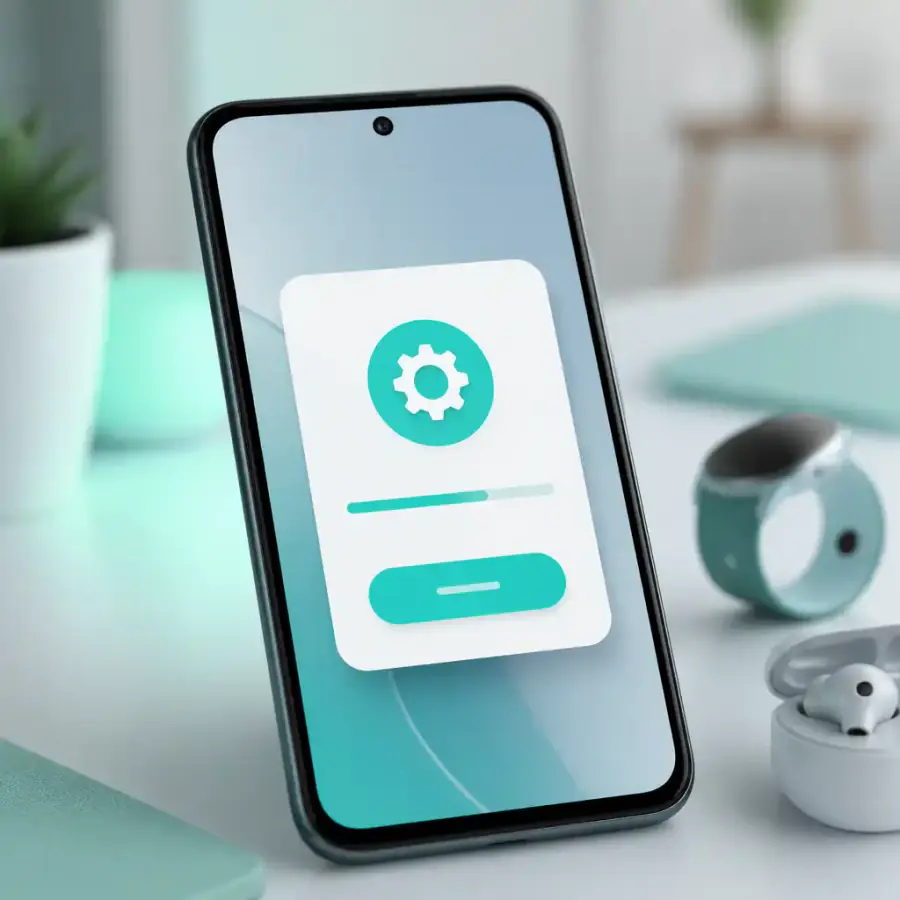
AI-generated image
Is your smartphone an aging relic destined for digital limbo? WhatsApp, the ubiquitous messaging platform owned by Meta, is making it clearer than ever that keeping up with the latest operating systems isn't just about new features; it's about maintaining basic connectivity. The company has begun implementing server-side blocks, effectively locking out users on older Android and iOS versions until they upgrade their device's software, or indeed, the device itself.
This isn't a simple app update you can ignore. Users are reportedly facing a full-screen warning that cannot be dismissed, rendering the service entirely inaccessible until their operating system meets the new minimum requirements or their account moves to a compliant device. The shift officially phased out support for Android 5.0 and 5.1, making Android 6.0 (Marshmallow) the baseline, effective September 8, 2026. For Apple users, the minimum threshold currently stands at iOS 15.1, but this will rise to iOS 15.5 starting November 30, 2026, as per WhatsApp's official Help Center. This aggressive push raises significant questions about digital inclusion and the relentless upgrade cycle in the mobile world.
Security First, But at What Cost?
WhatsApp's primary justification for these stringent measures is cybersecurity. As Ubergizmo reports, legacy operating systems no longer receive critical vendor-issued security patches, leaving known exploits unaddressed. While WhatsApp prides itself on end-to-end encryption for message transmission, an outdated device can still be vulnerable to local malware that intercepts data before encryption. A persistent malware payload operating at the system root level, for example, can harvest keystrokes, extract screen data, or intercept confidential messages before the application can encrypt and transmit them. This is a legitimate concern; a compromised phone can expose sensitive information regardless of app-level security.
While the change reportedly affects only a small percentage of the active worldwide user base, its impact on those users is absolute: they must upgrade or lose access. This forces many users into a difficult choice between potentially insecure communication and the cost of new hardware.
The Broader Trend: An Ecosystem-Wide Upgrade Imperative
This trend of discontinuing support for older operating systems isn't exclusive to WhatsApp. Other major platforms are also signaling similar shifts. For instance, Pocket-lint reports that users running Android 10 have recently started seeing alerts warning that their phones will soon no longer support Android Auto. Although Google's official support page still states Android 9 or newer for wired Android Auto, these user reports suggest an impending shift to Android 11 as the minimum requirement. Such a change would impact a significant portion of the Android user base; according to distribution figures, 7.8 percent of users are still on Android 10, with another 4.5 percent on Android 9. This combined figure means millions of devices could soon lose access to a core feature like Android Auto, mirroring WhatsApp's move and hinting at a wider industry push to accelerate hardware upgrades.
Navigating the New Normal for Users
For users encountering WhatsApp's new login blocks, it's crucial to understand the distinction between updating the app itself and updating the phone's operating system. As Techgenyz explains, these are two separate processes. Users should check their device's OS version by navigating to Settings > About phone on Android, or Settings > General > About on an iPhone. If an update is available, installing it is the first step.
It's also important to note that WhatsApp's official minimum requirements (Android 6.0 or newer, and currently iOS 15.1 or newer, rising to iOS 15.5 on November 30, 2026) are distinct from the newly reported server-side login check. WABetaInfo, as cited by Techgenyz, indicates this new check can be applied to specific users, and its exact additional OS threshold has not been publicly documented by WhatsApp. If your device meets the official minimums but still receives the warning, and no further OS updates are available for your device, the exact additional OS threshold behind the warning remains unclear, and a hardware upgrade might then be the only practical solution for continued access.
This concerted effort across major platforms and applications signals a clear message: maintaining up-to-date software is paramount for security and functionality. However, it also underscores the ongoing challenge of digital inclusion, where users with older but still functional devices are increasingly compelled to join the relentless upgrade cycle.
No topics yet: start the first one.
More stories
WhatsApp's travel eSIM is handy, but it makes a chat app a carrier shop
Buying data inside WhatsApp could end roaming shock, but it turns a messenger into a telecom middleman. Compare prices and know who handles your support.
WhatsApp's scheduled messages are overdue, but 14 days is a lot of rope
Scheduling is the most overdue feature in WhatsApp's history, but a two-week window in group chats invites noise and awkward mistakes unless canceling is effortless.
WhatsApp's sound stickers are fun, but your group chats just got louder
Sound stickers fit Brazil's sticker culture perfectly, but they're also an engagement play. The mute controls exist; we think silent by default should be next.
View-once texts on iPhone: privacy theater if WhatsApp won't say what it can't stop
View-once text messages are reaching WhatsApp on iPhone. They're a handy nudge toward better habits, but they only protect you from the person you chose to trust.