Hirudo: The Android Trojan Redefining Mobile Banking Threats
A new generation of Android banking malware, Hirudo, moves beyond simple credential theft by replacing legitimate apps with trojanized versions, forcing users to rethink mobile security.
Photo: PattayaPatrol / Wikimedia Commons (CC BY-SA 4.0)
The landscape of mobile threats is constantly evolving, and for Android users, the latest evolution is particularly alarming. We are witnessing a significant escalation in mobile malware tactics with the emergence of the Hirudo Android Trojan, a sophisticated threat that doesn't just try to steal your login details, but replaces your legitimate banking applications with fraudulent copies altogether. This isn't merely an incremental improvement in cybercrime; it's a fundamental shift that demands a much more vigilant approach from anyone using their smartphone for financial transactions.
Discovered by ThreatFabric's Mobile Threat Intelligence team, Hirudo is identified as a new Android banking remote access trojan (RAT) ThreatFabric. Its core malicious action is insidious: it replaces genuine mobile banking applications with modified, trojanized versions. The primary goal is to steal credentials and bypass critical security checks, essentially creating a perfect digital doppelgänger that users unknowingly trust with their sensitive financial data, as detailed by SecurityWeek.
Beyond Overlay Attacks: A New Level of Deception
For years, Android banking Trojans have relied on clever tricks like overlay attacks, where a fake login screen is displayed over a legitimate app to harvest credentials, or by abusing Accessibility Services to gain control over the device. While effective, these methods often left traces or could be detected by careful observation. Hirudo, however, elevates the game by performing a full application replacement. Instead of just faking a screen, it uninstalls the real app and installs a malicious twin that looks and behaves like the original. This is a far more sophisticated form of deception, making it notoriously difficult to detect because the app still retains its core functionality, as observed in previous malware strains like 'Agent Smith' itsolutions247.com.
This tactic doesn't just make detection harder; it actively neutralizes the built-in security checks of the legitimate app, concealing the malware's activity. What users see and interact with appears to be their trusted banking application, but underneath, it's a compromised version working against them. This combined approach of on-device credential theft and live remote control makes Hirudo an exceptionally potent threat, giving attackers direct access to funds and the ability to manipulate transactions in real-time. The sheer boldness of replacing the actual application rather than just mimicking it signifies a new frontier in mobile financial fraud.
No topics yet: start the first one.
More stories
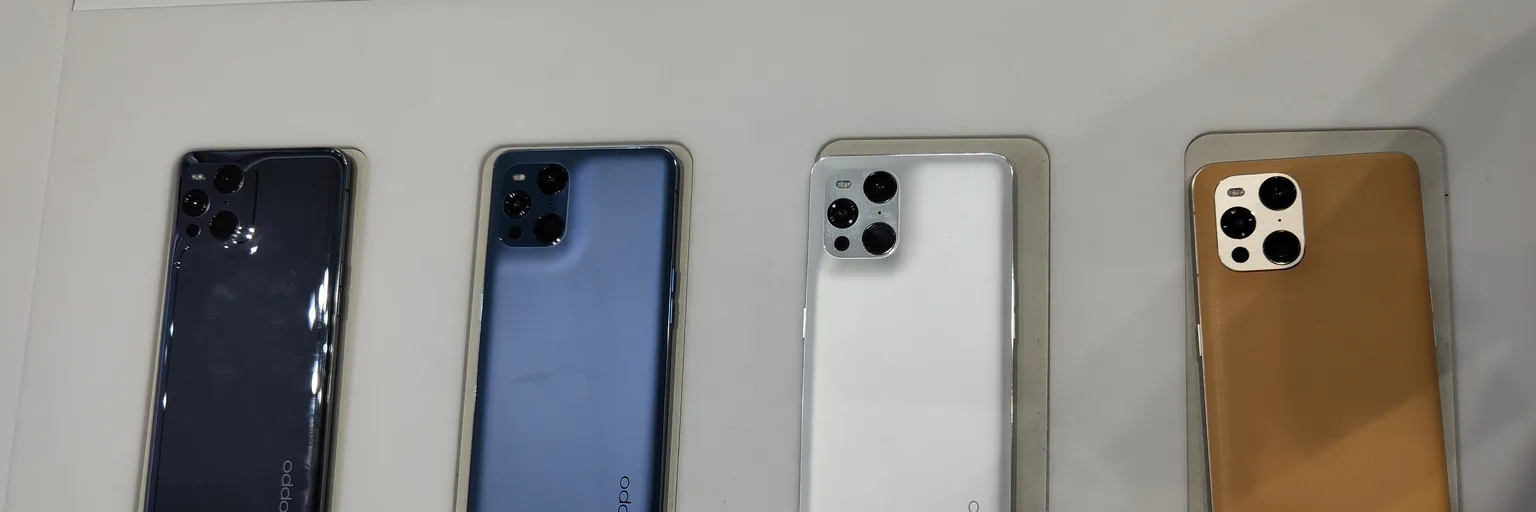
OPPO's Find X10 Series: A Bold Challenge to Flagship Photography Giants
With its "true-to-life" imaging, triple 200MP cameras, and advanced AI, the OPPO Find X10 Series is directly confronting the photography dominance of Google Pixel and Samsung Galaxy, aiming to redefine realism in smartphone photography.
Honor's Win-2 Series: More Than Just a Power Play, It's a Statement
Honor's new Win-2 series, with its dedicated WIN-key and colossal batteries, challenges mobile gaming flagships to deliver specialized experiences that go far beyond raw processing power.

Dumb Phones for Kids: A Smart Retreat from Digital Overload
As parents increasingly choose simpler phones for their children, this growing trend signals a crucial re-evaluation of mobile technology's pervasive impact on youth, prioritizing safety and a healthier digital upbringing.
Huawei's Xingmang: A Calculated Bet on Performance and Direct Sales
The rumored Xingmang sub-brand, with its online-only model and active cooling for mid-range phones, suggests Huawei is boldly redefining value and performance in a crowded market.