Amazon's Alexa Tablets: A Google Play Embrace Changes Everything
Amazon's bold decision to ditch Fire OS for full Android and Google Play Store access on its new Alexa Tablets signals a strategic pivot, aiming for broader appeal and direct competition in the premium tablet segment.
For years, Amazon's Fire tablets occupied a niche: affordable devices for media consumption, firmly rooted in Amazon's proprietary ecosystem. Users often asked if they could install the Google Play Store or run standard Android apps on these devices, reflecting a clear demand for more versatility. Now, Amazon has delivered a resounding answer. The company's launch of a completely new line of Alexa Tablets, featuring full Android and the Google Play Store, is not merely an upgrade; it's a strategic bombshell that could redefine Amazon's standing in the tablet market.
Amazon has retired the Fire Tablet series, introducing three new models: the Alexa Tablet 12 Pro, Alexa Tablet 11, and Alexa Tablet 8. These devices will ship with Android and, crucially, full access to the Google Play Store, breaking free from the limitations of the Amazon Appstore. This shift also brings a significant upgrade in hardware, with the new tablets boasting premium aluminum unibodies and more powerful processors, positioning them as higher-tier offerings.
The End of Ecosystem Lock-in: A Game Changer
The most impactful aspect of this launch is undoubtedly the inclusion of the Google Play Store. For over a decade, Amazon's tablets have run a forked version of Android, relying on the comparatively smaller Amazon Appstore. This often left users wanting for specific applications or timely updates, a common frustration for anyone accustomed to the millions of apps available on Google Play. As Engadget reports, users will no longer be limited to Amazon's offerings, gaining the freedom to download virtually any Android app, from Gmail and Google Maps to popular games and streaming services. This instantly makes the Alexa Tablets more appealing to a mainstream audience who might have previously dismissed Fire tablets due to their ecosystem restrictions.
Moreover, developers typically prioritize updates and bug fixes for apps distributed through Google Play. This means Alexa Tablet users will benefit from a more current and reliable app experience, aligning them with other Android device owners. This strategic embrace of Google's ecosystem transforms Amazon's tablets from specialized media consumption devices into genuine all-rounders, capable of competing with established players like Samsung and Google itself.
Premium Hardware Meets AI Smarts: Raising the Stakes
Beyond the software overhaul, Amazon has also made a strong statement with the hardware. The new Alexa Tablets feature aluminum unibodies, a departure from the plastic builds of their predecessors, signaling a move towards a more premium feel. The flagship Alexa Tablet 12 Pro, starting at $500, boasts an unnamed eight-core processor and up to 16GB of RAM, making it significantly faster than any previous Amazon tablet. It features a 12-inch, 120Hz display with an optional 'Nanomatte' anti-glare finish, quad Dolby Atmos speakers, Wi-Fi 6E, and a USB 3.2 Gen 1 port with DisplayPort output, as detailed by GSM Arena.
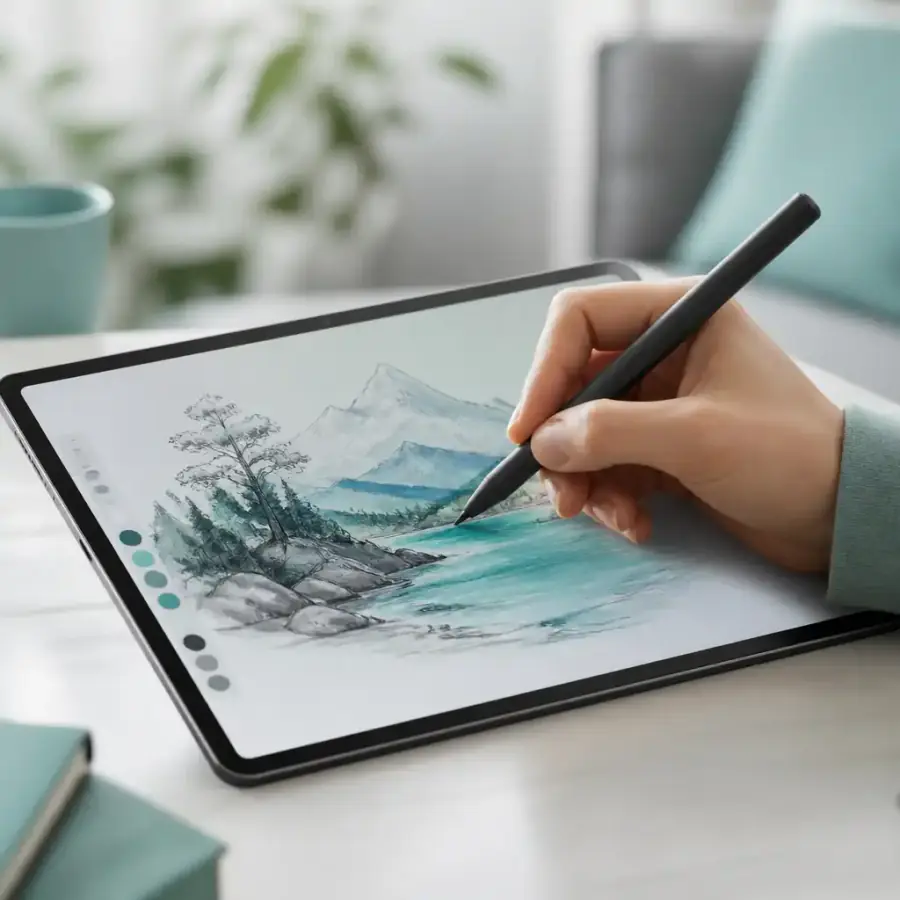
This robust hardware, combined with a tablet-optimized Alexa+ experience, positions the 12 Pro as a legitimate contender for productivity. Optional accessories like the Alexa Tablet Pro Keyboard ($150) and Alexa Tablet Pro Pen ($90) facilitate multi-window multitasking and creative work, akin to higher-end iPads and Galaxy Tabs. While the Alexa Tablet 11 ($330) and Alexa Tablet 8 ($220) offer more accessible price points, they still benefit from better processors and more RAM than older Fire models, providing a snappier experience for everyday tasks. However, buyers should note that the cheaper models come with ads on the lock screen, a $20 fee to remove them, as How-To Geek points out.
A Niche No More: The Tablet Market Gets a New Challenger
The discontinuation of the Fire Tablet series and the launch of the Alexa Tablets with full Android and Google Play Store access represents a clear strategic pivot for Amazon. It’s no longer about offering inexpensive, walled-garden devices. Instead, Amazon is now directly challenging Apple, Google, Lenovo, and Samsung in the broader tablet market. The inclusion of advanced reading features, such as the 'Kindle Sanctuary' mode and Kindle Scribe annotation tools, also ensures that Amazon doesn't forget its heritage, blending e-reader convenience with tablet versatility.
This move democratizes access to a full Android tablet experience from a major retailer, potentially offering a compelling alternative for consumers who want the convenience of Amazon's services alongside the full breadth of Google's ecosystem. While the higher price points of the new Alexa Tablets indicate a departure from the
No topics yet: start the first one.
More stories
100 Billion Parameters on Your Phone: A 2028 Dream or Reality?
Leading AI companies are requesting smartphones capable of continuously running 100-billion-parameter AI models by 2028, a monumental challenge that faces significant memory and thermal hurdles, making it more an industry aspiration than a guaranteed outcome.

Smartphone Overload: The Industry's Unsustainable Race to Nowhere
With a new smartphone appearing every 12 hours in Europe, and giants like Apple and Samsung slashing production, the market is signaling a critical breaking point.

Midnight Mimosa: The Malware That Infects Your Phone Before You Do
The discovery of Midnight Mimosa pre-installed in inexpensive Android phones, especially those with MediaTek chips, reveals a deep-seated supply chain security flaw, leaving budget-conscious consumers unknowingly compromised from day one.

HyperOS 4 isn't just an update, it's Xiaomi's play against the walled garden
Xiaomi's HyperOS 4 makes an aggressive push for cross-platform integration, offering a glimpse into a future where traditional mobile ecosystem walls might finally begin to crumble.