A New iPhone Virus Exposes Our Biggest Security Blind Spot
Recent warnings about a new iPhone virus capable of stealing photos underscore that even Apple's robust security isn't foolproof when common user habits create critical vulnerabilities.
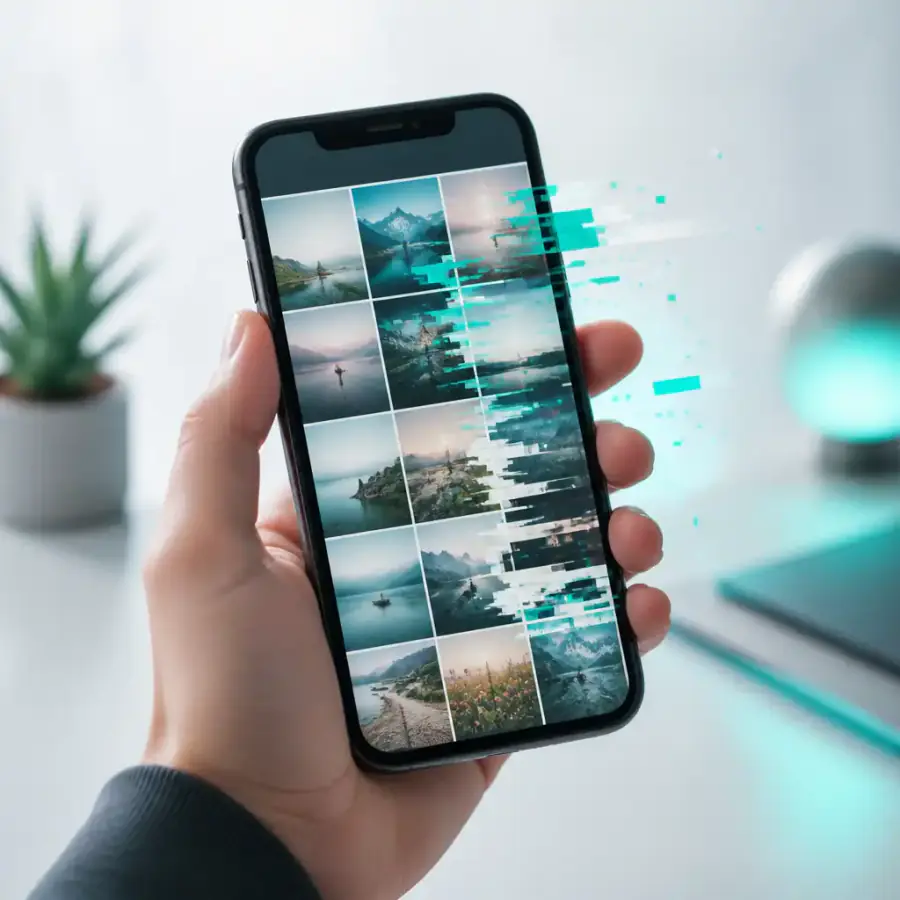
AI-generated image
The idea of a new iPhone virus stealing photos is enough to make any user pause. For years, Apple has cultivated a reputation for unparalleled security, often positioning its ecosystem as a digital fortress. So, when reports surface about a novel threat specifically targeting iPhones with the capability to exfiltrate personal images, it naturally forces us to ask: Is our perception of iPhone security a comfortable illusion, or are our own habits the true Achilles' heel?
Just hours ago, iPhon.fr reported on a new virus threatening iPhones, designed to steal photos in mere seconds. This news, while alarming, serves as a stark reminder that no system is entirely impenetrable, regardless of how meticulously it's designed.
The Myth of Absolute Impenetrability
iPhones are indeed engineered with a strong emphasis on security. The architecture, which runs each app in its own virtual space, makes it "highly unlikely, though not impossible" for an iPhone to get a virus, as Malwarebytes explains. This sandboxing prevents viruses from easily propagating by infecting other files. While iPhones are generally more secure than other smartphones, they are not immune to malware. The distinction between a traditional "virus" and other forms of "malware" is crucial here; while true viruses are rare, other malicious software like spyware, adware, or Trojans can certainly infect iOS devices.
Our Habits: The Real Vulnerability
If the system itself is so secure, where do these threats emerge? The answer often lies in user behavior. Malware can infect an iPhone through various vectors, many of which exploit human trust and curiosity. For instance, phishing attacks, often disguised as legitimate emails, trick users into revealing confidential information or clicking malicious links. Similarly, smishing uses text messages for the same deceptive purpose. Clicking suspicious links is a primary way iPhones can be infected, according to Keeper Security.
Another significant risk factor is jailbreaking. While it grants users more control over their iPhone's operating system, it also bypasses Apple's security restrictions. Jailbroken iPhones, especially without access to antivirus updates and security patches, are "significantly less secure," as documented by Malwarebytes. Past incidents, like the 2015 attack that stole data from over 200,000 jailbroken iPhones and iPads, highlight the tangible dangers of this practice, as TF1Info reported.
Recognizing the Signs of Compromise
It's important for users to be vigilant. Unexplained changes, such as new apps appearing or settings being altered without consent, can signal malicious software. Performance issues, like frequent crashes or the device running hot without apparent reason, might also indicate an infection. A sudden and significant loss of battery life, beyond normal degradation, could mean malware is running operations in the background. Increased data usage, particularly if unexplained, is another red flag, as insidious malware like stalkerware or adware might be consuming data to transmit information over the internet. Persistent pop-ups, often from adware or scareware tactics on unsafe websites, are also strong indicators.
Strengthening Your Digital Fortifications
Apple diligently patches iPhone devices to mitigate the risk of virus and malware breaches, making frequent updates essential. The best way to counter zero-day attacks, which exploit previously unknown software vulnerabilities, is to download updates promptly, as Apple releases emergency patches for this very reason. Restarting your iPhone can also help, as it may trigger pending updates or clear errant processes. Beyond software, users should exercise caution with unknown messages and offers, avoid unsafe websites, and regularly review privacy permissions for apps.
Ultimately, while Apple continues to build a robust defense, the front line of security often remains with the user. Understanding the common vectors of attack and practicing good digital hygiene are paramount in protecting personal data against evolving threats, ensuring that the perceived fortress of the iPhone truly holds its ground.
No topics yet: start the first one.
More stories
Apple's Missing iPhone 18: A Calculated Risk for the Masses?
Apple's decision to bypass a standard iPhone 18 launch, pushing consumers toward pricier Pro models or older, now more expensive, generations, signals a strategic pivot that could redefine the premium smartphone market.

Apple's Huxe Deal: The Sound of a Smarter, Proactive Siri
Apple's strategic 'acqui-hire' of Huxe's talent and tech signifies a shift for Siri, transforming it from a reactive assistant into a proactive, personalized audio companion capable of dynamic, interactive briefings.

iPhone Duo: Apple's Pricey Foldable Redefines UX, But With Compromises
Apple's long-awaited foldable brings a remarkably subtle crease and refined iOS adaptations, yet its high price and feature trade-offs spark debate on its true value and market position.
iPhone 18 Pro Order Cuts: Apple's Pricing Strategy Faces Reality Check
Apple's decision to slash iPhone 18 Pro and Pro Max component orders suggests a growing consumer resistance to escalating premium smartphone prices, compelling the tech giant to re-examine its market approach.