Digital Wallets: The End of Your Physical Wallet Is Nigh
As Apple and Google wallets integrate payments, digital IDs, and essential documents, they are redefining personal verification and rapidly making the physical wallet an outdated relic.
AI-generated image
Is your physical wallet already a relic? For many, the answer is rapidly becoming a resounding “yes,” as the capabilities of digital wallets from tech giants like Apple and Google expand far beyond simple payment processing.
Today, these smartphone applications are not just about tapping to pay; they are evolving into platforms for managing digital IDs, car keys, and various passes, as mentioned by neatpass.app, revolutionizing daily transactions and personal verification. This shift isn't merely convenient; it represents a fundamental re-evaluation of how we carry and use our most important personal information, putting the relevance of the leather-bound billfold squarely into question.
Once primarily seen as a way to ditch physical credit cards, digital wallets have integrated payments so seamlessly that cash and plastic are becoming footnotes in our daily lives. This trend accelerated during the COVID-19 pandemic, driving increased demand for contactless payments and making digital wallets an essential tool in modern commerce, as noted by illumin.usc.edu. Now, the real game-changer is their move into verifiable identity and document storage, transforming them into a single, secure hub for nearly everything you once carried in your pocket.
More Than Money: Your Identity in Your Pocket
The most significant stride these digital wallets are making is in the realm of identity management. While distinct from dedicated digital identity wallets designed for comprehensive verifiable credentials and selective disclosure (as explored by onespan.com), Apple Wallet and Google Wallet are increasingly integrating features that mimic aspects of these advanced systems. Google Wallet allows users to store a broader array of items than just payment cards, including loyalty cards, boarding passes, event tickets, and gift cards, as Good Steward Project highlights. Apple Wallet offers similar payment capabilities, but is noted to have fewer such features. Crucially, the ability to store digital IDs and even car keys, as mentioned by neatpass.app, marks a decisive move toward consolidating more of our physical belongings into a single digital interface.
This expansion offers users unprecedented convenience. No longer do we need to rummage through a physical wallet for a specific card or document; a few taps on a smartphone can present the required information. This streamlines everyday interactions, from checking in for a flight to verifying age, without the need to carry stacks of physical documents, as highlighted by the Identity Management Institute. For many, this level of integration is transforming the smartphone into the ultimate personal information hub, making the physical wallet feel increasingly cumbersome and unnecessary.
The Security and Privacy Paradox
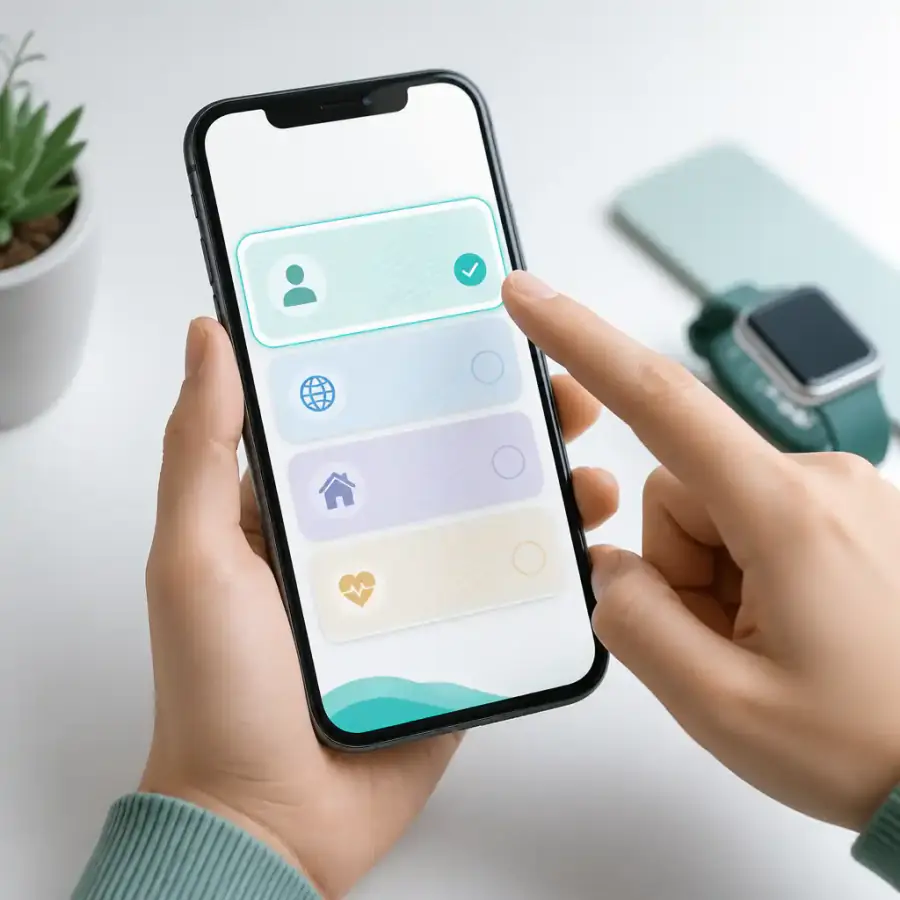
Digital wallets are lauded for their security features. They employ cryptographic signatures, secure device-based storage, and strong user authentication methods like biometrics (fingerprint scans or facial recognition) and passcodes, making credentials tamper-evident and accessible only through authorized user actions, according to onespan.com. This often makes them more secure than carrying physical documents, which can be lost, stolen, or visually inspected to reveal more information than necessary. For example, the EU Digital Identity Wallet, a more comprehensive identity solution, emphasizes selective disclosure to minimize data exposure and prevent personal profiling, a feat unattainable with tangible documents, as detailed by digital-strategy.ec.europa.eu.
However, this convenience comes with its own set of considerations. While robust, the security of digital wallets is inherently tied to the security of the user's device. A lost or compromised smartphone could theoretically expose multiple aspects of a user's digital life, from payment information to identity documents. Moreover, while Apple and Google wallets offer significant security, some sources argue that government-issued digital wallets might offer a higher level of trust and security compared to those from big tech platforms, particularly regarding data usage transparency, as thefutureidentity.com points out. The challenge lies in ensuring that these powerful digital tools maintain the highest standards of privacy and protection as they consolidate more of our personal data.
The Inevitable Obsolescence?
The trajectory is clear: the digital wallet is steadily absorbing the functions of its physical counterpart. While not a complete replacement for all identity needs—particularly in contexts requiring legally mandated physical documents or in regions with limited digital infrastructure—its growing capabilities make a strong case for the physical wallet's eventual obsolescence for daily use. The convenience, enhanced security against physical theft, and the ability to carry a vast array of documents and credentials in one device are simply too compelling for most modern users.
We believe the question is no longer if the physical wallet will become obsolete, but when. As digital identity standards evolve globally and platforms like Apple Wallet and Google Wallet continue to integrate more government-issued credentials and essential documents, the need for a bulky leather billfold dwindles. For now, it might still hold a driver's license for some or a few emergency bills, but its days as the primary repository for our essential personal effects appear numbered. The future of your pocket, it seems, is undeniably digital.
No topics yet: start the first one.
More stories
Google Gemini's Map Tool: A New Era for Location-Aware AI
The latest Gemini update, which allows users to select map areas for prompts, fundamentally shifts how we interact with AI for local discovery and real-world tasks, making it genuinely context-aware.

WhatsApp: The Stealthy Storage Hog You Can Tame (And Must)
WhatsApp's constant stream of media devours smartphone storage, yet its robust, often overlooked, management tools offer the crucial key to reclaiming performance and digital peace.

The New IRS App: Is Digital Simplification Just a Myth?
The IRS's updated mobile app promises to streamline tax account management, but its ultimate success will depend on user adoption, robust security, and seamless integration with existing digital services, which are formidable hurdles.

Mac.apk: The Risky Road to Android Apps on Your Mac
While the 'Mac.apk' project promises seamless Android app integration on macOS, its appeal for convenience must be weighed against significant security and stability considerations.