Samsung's Mid-Range Update Strategy: Planned Obsolescence or Practical Support?
Samsung has ended software support for the Galaxy A04s and A23 5G, pushing users toward an upgrade cycle that raises concerns about device longevity and the environmental impact of budget-friendly smartphones.
AI-generated image
The constant march of technology often brings both innovation and obsolescence, and nowhere is this more apparent than in the smartphone market. We often celebrate the arrival of new features and improved performance, but less attention is paid to the quiet departure of older models from the update schedule. This week, Samsung made such a move, officially concluding software maintenance for two of its popular mid-range devices: the Galaxy A04s and the Galaxy A23 5G.
Launched in 2022, both the Galaxy A04s and A23 5G have now reached the end of their regular software support, with the Galaxy A04s specifically seeing its active support conclude on October 9, 2026, according to Mix Vale. After approximately four years of updates, Samsung has removed these models from its security update schedule, meaning owners should no longer expect new security releases or feature updates, as reported by SammyGuru. While the phones will not suddenly stop working, this decision forces a closer look at the true cost of affordable mobile technology.
The Lingering Threat of Insecurity
The immediate aftermath of losing software support isn't about a device bricking; it's about a slow erosion of security. As SammyGuru highlights, security updates are vital for patching newly discovered vulnerabilities and safeguarding personal information. Without these regular fixes, phones can become increasingly susceptible to new security threats over time. For instance, the October 2026 security patch for supported Samsung devices addresses numerous critical Google vulnerabilities, along with several severe security flaws in Samsung's own semiconductor components and manufacturer-specific issues, as detailed by teltarif.de.
While continuing to use an unsupported phone for basic tasks like calls or casual browsing might seem harmless, for more sensitive activities such as banking or handling personal data, the risk significantly escalates. As borncity.com notes, some applications on Android 13 or newer versions may even require the phone to have received a security update within the last twelve months to perform particularly sensitive operations. This means that for many users, the practical lifespan of these devices for secure, modern usage is effectively over.
The Mid-Range Upgrade Treadmill
This discontinuation of updates is a stark reminder of the typically shorter support cycles for mid-range Android devices. While premium flagship phones often receive extended update commitments, budget-friendly options, by their very nature, often come with trade-offs. The Galaxy A23 5G, for example, launched with Android 12 and received updates up to Android 14, followed by two years of quarterly security patches, according to borncity.com. This lifecycle, while predictable, inevitably pushes users into an earlier upgrade cycle than many might prefer.
It also brings into focus Samsung's evolving strategy for device longevity. For newer premium models, the company has committed to up to seven years of support, and even some mid-range devices are now seeing extended lifespans. For instance, the Galaxy A24 promises four system upgrades and five years of patches, while the Galaxy A26 and A27 are slated for six years of support. This creates a clear disparity, where owners of older, more affordable models are left behind, while newer devices, even within the A-series, enjoy significantly longer lifecycles. This strategy implicitly guides consumers towards newer models with better update guarantees.
The Broader Impact: E-Waste and Consumer Choice
Beyond individual security concerns, the relatively short support windows for devices like the Galaxy A04s and A23 5G contribute to a larger problem: electronic waste. When phones are no longer considered secure for daily use, many are discarded, adding to a growing global challenge. While Samsung offers newer alternatives like the Galaxy A07, available for 139.99 Euro, or the Galaxy A27 5G for 220.15 Euro through specific deals, encouraging frequent upgrades has environmental implications that cannot be ignored.
Ultimately, Samsung's decision reflects a common industry practice, but it forces us to question whether the initial savings on a mid-range phone truly represent value for money if its secure operational life is cut short. For consumers, the message is clear: when considering a new Android phone, especially in the mid-range, the promised duration of software support should be a crucial factor in the purchasing decision. A slightly higher upfront cost for a device with a longer update roadmap might, in the long run, prove to be both a more economical and environmentally conscious choice.
No topics yet: start the first one.
More stories
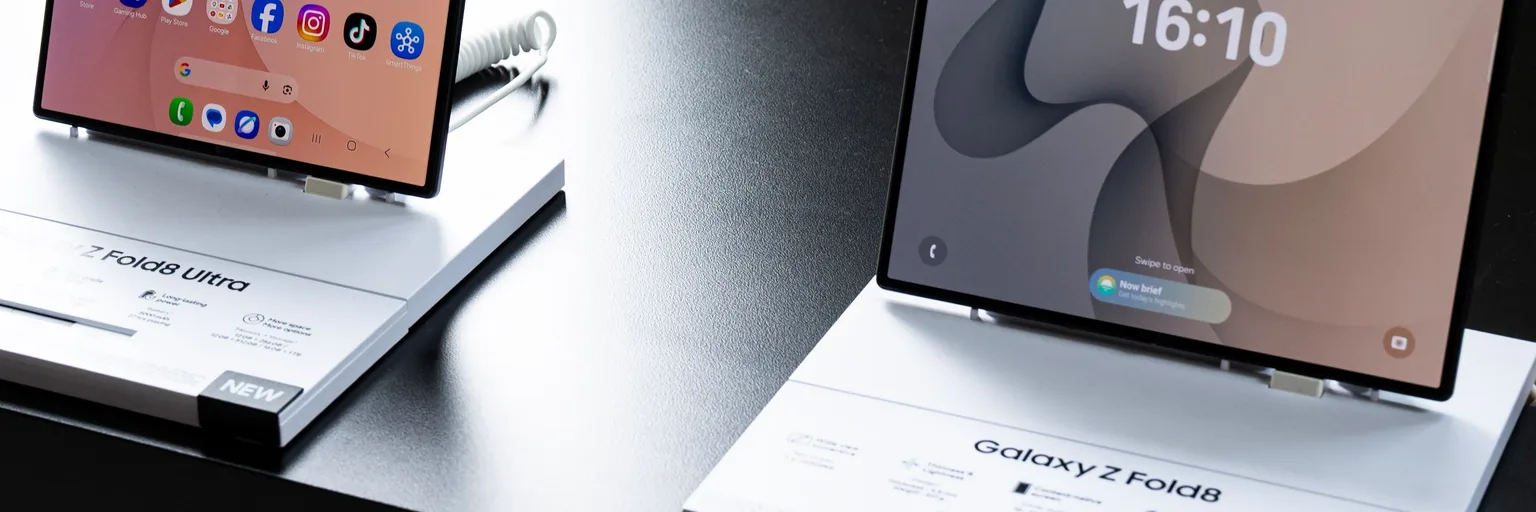
Samsung's Foldable Blitz: Is the Galaxy Z Fold 8 the Tipping Point?
With the Galaxy Z Fold 8 lineup's July debut and aggressive promotions, Samsung is making a clear statement: foldables are here to stay, and the company intends to lead the charge, broadening their appeal beyond early adopters.
Samsung's Galaxy S27 Leaks Hint at Smart Refinement, Not Revolution
Early leaks for the Samsung Galaxy S27 series, including memory, storage, battery, and software focus, suggest a strategic move towards perfecting the core experience rather than chasing radical new features in a maturing market.
Samsung's SmartTag3: A Cunning Gambit or a Conflicted Strategy?
Samsung's latest SmartTag3 supports iPhones but largely ignores other Android users, a strategic paradox aimed at challenging Apple while fortifying its own ecosystem.

RAM Crisis and AI: The End of Affordable Mid-Range Android?
Rising RAM costs, exacerbated by AI demands, are forcing general smartphone price increases, fundamentally challenging the value proposition of mid-range Android devices and making essential technology less accessible for many.