SpaceX's 80,000-site hunt makes Starlink a carrier, not a coverage perk
Satellite-to-phone was a safety net. Chasing tens of thousands of towers is a bid to be your carrier, and phone buyers should cheer the competition while reading the fine print.
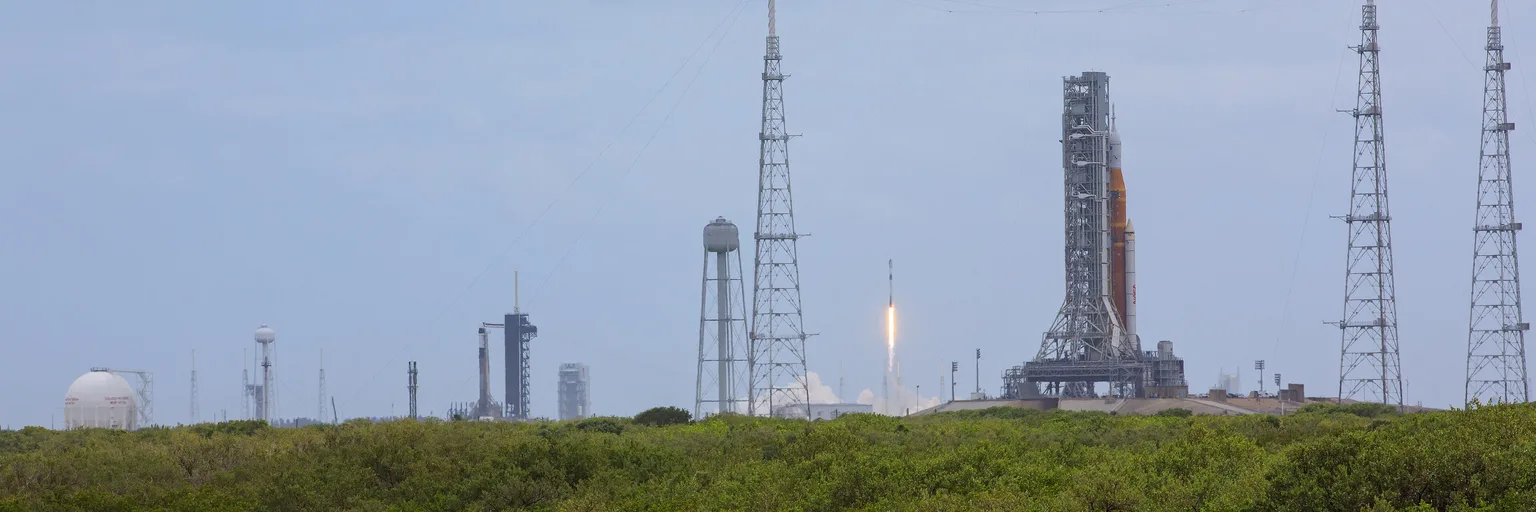
Photo: Corey Coyle / Wikimedia Commons (CC BY 3.0)
Nobody leases tens of thousands of towers just to fill the dead spot on your road trip. If SpaceX is really after 80,000 U.S. cell sites, it isn't building a coverage add-on anymore. It is building a carrier.
Here is what we know. As Reuters relayed, citing a Bloomberg News report, SpaceX is in talks with cellular infrastructure companies for access to at least 80,000 sites. Crown Castle, which owns roughly 40,000 towers, is reportedly one of them. Its CEO said on an Oct. 21 earnings call, "You can assume that we're talking to all parties," without discussing specific customers. Fox News notes that the talks are preliminary and SpaceX hasn't publicly confirmed agreements covering those 80,000 sites.
The towers are the tell
The satellite pitch always had a ceiling. Signals from space struggle to reach phones indoors or with a blocked view of the sky, and that is where most of us actually use our phones. Ground sites fix that. Add the spectrum SpaceX has lined up, an 800 MHz portfolio it agreed to buy from Grain Management (pending FCC approval), and a fresh FCC authorization for up to 15,000 direct-to-device satellites. The pieces start to look like a network rather than an emergency feature.
One caveat is worth keeping in view. Cell sites aren't the same as physical towers, and one tower can host several networks, so "80,000" can't be read as half the country's towers. The number is big, but it measures leases, not coverage.
In our view, the sign that matters isn't the figure. It's the shape of the shopping list. Roaming on someone else's network doesn't require leasing space on thousands of structures. Owning your own radio footprint does.
T-Mobile is acting like it knows it
T-Mobile's CEO rejected a potential Starlink Mobile network deal, according to TechRadar's headline, arguing that satellite is "inferior" and that there is "no space for an MVNO here." Read that as you like, but we find it telling. You don't bother dismissing a partner who can't become a rival. Refusing to host Starlink as a virtual operator is also, in our reading, a way of pushing it toward building its own network, which is exactly what this story describes.
The tower route has a real catch, and Fox News points it out. Starlink's home dishes sit where people want broadband, not where a national phone network needs capacity. Hence the talk of small base stations in customer equipment, and hence the hunt for established sites. SpaceX still has a lot to prove on execution. Whether it can match the three big carriers' consistency in a crowded city is an open question nobody can answer yet.
Welcome the competition, but read the fine print
For buyers, more competition is good news, full stop. Anyone who has stared at a bill and a single bar of signal has a reason to want a fourth option. A newcomer with its own spectrum and satellites could force the others to compete on price and coverage guarantees.
The caution is lock-in. SpaceX already sells the dish, the home internet plan and the satellite network. Add a phone plan, and the temptation to bundle everything is obvious. That is speculation on our part, since we haven't seen any plans or pricing. Still, a company that controls your home connection, your mobile service and the satellite fallback has leverage over you that a plain phone carrier doesn't. Truthout reports that Starlink reportedly tried to upsell Ukraine on a new plan after throttling service. We've only seen the headline, so treat it as an allegation. Even so, it's a reminder to watch how this company handles pricing when customers depend on it.
Our advice
Don't switch anything yet. We haven't seen an announced service, a price or a confirmed tower deal. When offers do arrive, check three things: whether the plan works on the phone you already own, whether you can leave without losing the rest of your Starlink setup, and whether indoor coverage is measured or promised. Competition is coming, and it deserves a warm welcome. Just don't sign a bundle before you know how hard it is to cancel.
No topics yet: start the first one.
More stories
Starlink's spectrum shopping spree is something carriers can no longer ignore
The FCC keeps handing SpaceX airwaves, and Starlink Mobile looks less like a coverage add-on and more like a rival. Hype aside, buyers should watch rural coverage first.
Movistar Swap: Is the 24-Month iPhone Upgrade Truly an Upgrade?
Movistar Swap offers the allure of a new iPhone every two years, but we analyze whether this convenience truly benefits consumers or subtly redefines what it means to own your technology.

Revolut Mobile: When Your Bank Becomes Your Carrier
Revolut's expansion into mobile services in Germany blurs the lines between fintech and telecom, signaling a disruptive shift where digital banks aim to own more of the customer's connected life.

5.5G's Upload Revolution: The UAE Leads, But Will Global Users See the Difference?
Etisalat's launch of 5.5G in the UAE, specifically tripling upload speeds, highlights a critical shift in mobile network priorities driven by the exploding demand for content creation and AI-powered apps.