iPhone Duo's reported 80% store allocation is control, not scarcity
Reportedly sending 80% of launch stock to its own stores lets Apple manage hype and foot traffic while online buyers wait. Don't rush a supply-managed $1,999 foldable.
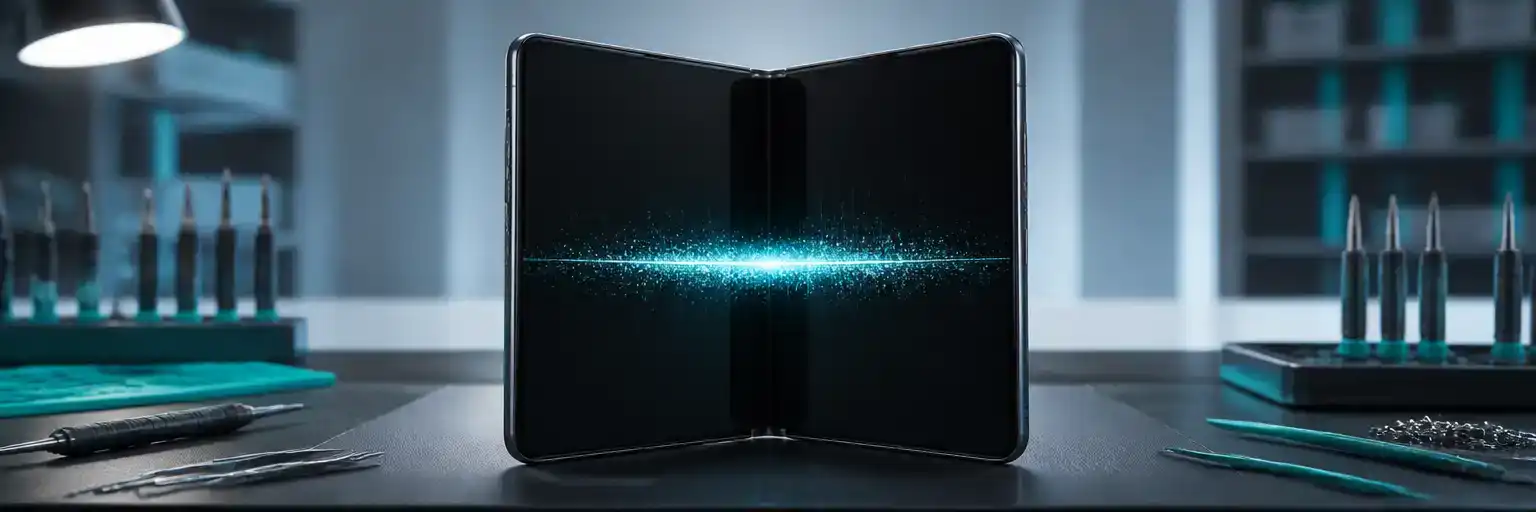
AI-generated image
Was the iPhone Duo really sold out, or was it simply parked where Apple wanted it? The difference matters more than it sounds, especially when the phone costs $1,999.
According to Bloomberg's Mark Gurman, as relayed by MacRumors, Apple allocated roughly 80% of its initial iPhone Duo inventory to its retail stores, with some locations holding as few as 50 units. Flagships reportedly got up to around 250, per MacTech. That left about 20% to cover deliveries and pickup reservations, which, according to Mac Observer, meant online buyers faced delays until January. Apple has not confirmed the split.
Scarcity was real, but the distribution was a choice
Let's be fair first. Supply really does look tight. Gurman also reports that the initial order of roughly 8 million units runs into 2027, with production limited to Foxconn. Apple can't conjure phones. That part is not a conspiracy.
But how you split a small pile is a decision. Putting four-fifths of it behind glass storefronts probably produces images of queues, empty shelves and "sold out" banners, the best free advertising a $1,999 product could ask for. It also keeps the buyer inside Apple's own retail environment, where Apple controls the sales pitch, the accessories and the cases. In our view, that is a control play first and a logistics story second.
We can't prove intent. Apple hasn't explained the split, and "engineered scarcity" is our reading, not a documented fact. What the numbers do show is who benefited from the arrangement: Apple's stores and Apple's narrative.
The loser is the person who did everything right
The shopper who pre-ordered online, as Apple has trained everyone to do for years, got pushed to the back of the line. The person who could walk into a store and happened to find one of those units got the phone. That is a lottery dressed up as a launch. Apple also warned ahead of launch, per IBTimes, that walk-in buyers would likely find little stock on day one, so the mixed message was baked in.
And the timing makes the whole thing look worse. Within days of the Oct. 23 launch, Apple acknowledged an issue with the inner display on a "small number" of units, and a week after sale it sent an internal memo to stores and repair shops. Apple says there is no recall, hasn't said how many devices are affected, and hasn't named a cause. Out of warranty, an inner screen repair is listed at $999, half the price of the phone.
Reasonable people can disagree about how serious this is. Independent durability tests have been mixed, and early reviews praised the multitasking and media experience. But the combination is uncomfortable: a hard-to-get product, an unexplained defect, and an expensive repair. Rushing in on launch hype is exactly how you end up as the early adopter who finds out first.
What to do: let the pipeline fill and the facts arrive
If you have the Duo on order, keep the order, and read Apple's replacement terms before you open the box. If you don't, we'd suggest not chasing a store's last unit or paying a premium to someone who got one. The January delay is irritating, but it's also a gift: time for Apple to say how widespread the display problem is, and for developers to optimize apps for the wider screen, something many reviewers noted is still unfinished.
The bigger lesson is for how we read "sold out." It can mean overwhelming demand, thin supply, or a deliberate allocation strategy, and often it is all three at once. A scarce launch is not proof that a product is good. At $1,999, the safest move is the boring one: wait for the second batch, the repair data and the first software updates. The phone will still be there, probably on a lot more shelves than it is today.
No topics yet: start the first one.
More stories
Gapgate is worse than it sounds: a hinge gap on an IP68 foldable
After the cracked inner screens, a visible hinge gap on a phone sold as water and dust resistant is a second durability red flag. Apple owes buyers a straight answer.
iPhone 18e: Apple's cheap phone is becoming its AI testbed
A rumored 9GB of RAM in the budget iPhone 18e suggests Apple wants on-device AI on every model, and the price of memory will decide whether "cheap" survives.

A logo-less iPhone prototype on a resale app is a disposal problem, not a leak
A YouTuber bought a used iPhone in China that looks like an internal prototype. It says less about leaks than about what happens to Apple's hardware at the end of its life.
Apple's quiet iPhone Duo memo is not accountability
A leaked internal memo on cracked Duo screens proves the problem is real. Buyers paying $1,999 deserve a public policy, not a document that reached them through MacRumors.