Apple's quiet iPhone Duo memo is not accountability
A leaked internal memo on cracked Duo screens proves the problem is real. Buyers paying $1,999 deserve a public policy, not a document that reached them through MacRumors.
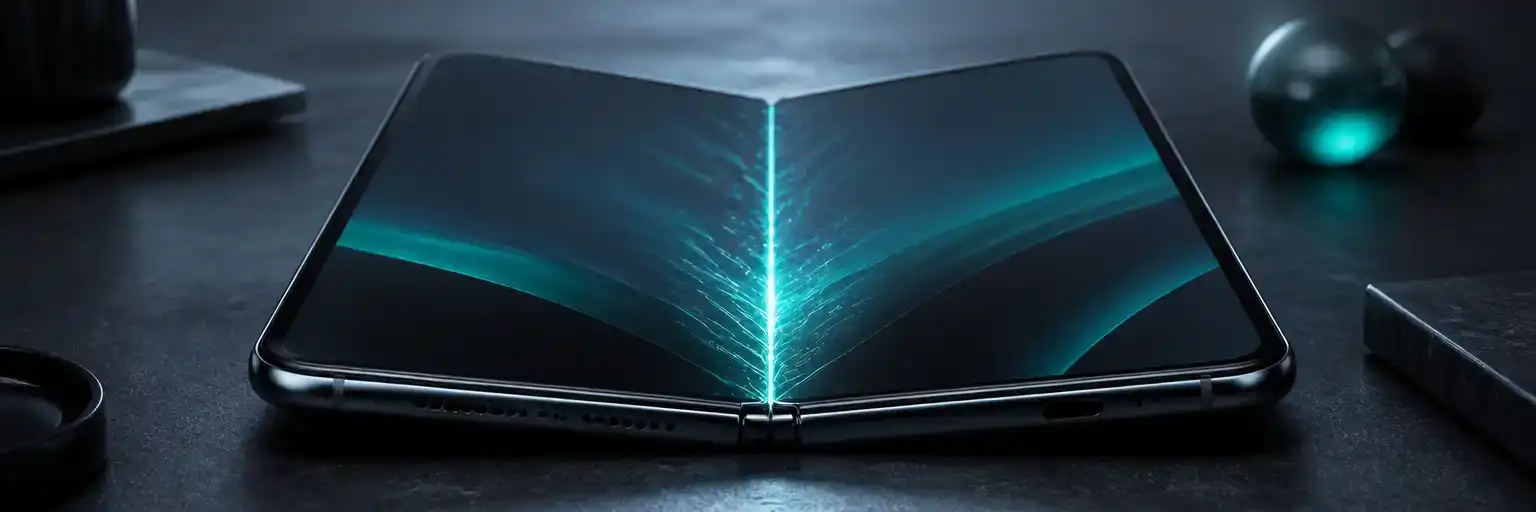
AI-generated image
If a problem affects only "a small number" of phones, why does a company need to brief every store and authorized repair shop on how to diagnose it? That is the question Apple hasn't answered about the iPhone Duo, and the memo that reached MacRumors this week makes it harder to dodge.
The memo is an admission, whatever the statement says
Here is what we know. According to IBTimes, citing MacRumors, Apple sent guidance this week to its stores and Authorized Service Providers on diagnosing cracked inner displays. Technicians are told to inspect the device and repair or replace it under standard procedures. Publicly, Apple says the issue affects a small number of units, that owners should contact AppleCare for a replacement, and that no AppleCare+ plan is needed. It also says there is no recall. As of Friday there was no public repair program on its website, no disclosed number of affected devices and no identified cause.
Read those two things together. Apple's public line is that this is a small number of units and not a big deal. Its internal behavior is formal guidance sent to stores and authorized repair shops one week after launch. Both can be true, but in our view the second tells you more than the first. Companies don't write playbooks for rare, random bad luck.
"Contact AppleCare" is a policy for people who already know to ask
Apple's answer depends on the customer finding the right door. That matters because of the money. Apple lists an out-of-warranty inner screen repair at $999, half the phone's starting price. Forbes put the risk bluntly: Apple can replace faulty phones, but if it decides the owner is to blame, the bill is over $1000.
That is the gap. The memo tells technicians how to diagnose the problem. It doesn't tell buyers how Apple will decide between a covered defect and chargeable damage, or what evidence will protect them. One owner in Australia said his device cracked after fewer than 20 openings, another reported a failure before setup was finished, and several early buyers describe a stiff hinge that popped. If a hinge-related failure gets filed as accidental damage, a $1,999 purchase turns into a $999 argument at the counter. We think Apple should say in public, in writing, that a failure of this type is treated as a warranty defect.
The cause is unclear, and that's why transparency matters
To be fair, nobody has proven what is going wrong. iFixit's analysis, built from CT scans, teardown footage and patent filings, points to the hinge: in one simulation a central support bar doesn't lower far enough and the curved screen presses against it. But iFixit stopped short of a definitive diagnosis, and independent durability tests have been mixed, with hinges holding up after thousands of folds in some. Apple Scoop's caution against shouting "gate" at the first photos is reasonable too.
We agree with that caution about the label, not about the silence. A "Crackgate" nickname is internet noise. An unknown failure rate and an unknown cause on a product at this price are a legitimate reason for buyers to be anxious, and only Apple can settle it. Analysts note, as IBTimes reports, that even a low failure rate generates a steady stream of complaints at launch volumes. Fine. Then publish the rate, or at least the policy.
There's an irony here too. Samsung supplied the display panel and Samsung Canada is already mocking the problem in an Instagram post, even though, as IBTimes recalls, Samsung's own first Galaxy Fold had a troubled 2019 debut. Apple has handed a rival a free marketing moment by letting the story be told through leaks.
What we'd do if we were buying, and what Apple should do
If you own a Duo, document everything from day one: a photo of the screen out of the box, the date of first use, any hinge stiffness or noise. Contact AppleCare at the first sign of a line, and don't pay for a repair before asking whether it is being classified as a defect. If you're still waiting on a pre-order slot, and shipping dates reportedly slid into 2027, there is no shame in waiting for more data.
For Apple, the fix is cheap compared with the reputation at stake. Publish a clear page: which symptoms qualify, that the replacement is free, how long coverage lasts, and what happens if the replacement fails too. The memo shows Apple already has a process. Telling customers about it is the part that's missing.
No topics yet: start the first one.
More stories
iPhone Duo's reported 80% store allocation is control, not scarcity
Reportedly sending 80% of launch stock to its own stores lets Apple manage hype and foot traffic while online buyers wait. Don't rush a supply-managed $1,999 foldable.

A replacement isn't a fix: Apple owes iPhone Duo buyers an explanation
Apple's AppleCare swaps for cracked iPhone Duo screens fix one owner's problem, not the design question. Until it says whether the hardware changed, a new unit is a gamble.
Apple Intelligence in China is a market play, not a feature drop
iOS 27.3 brings a trimmed Apple Intelligence to China, built on Alibaba's models: a bid to stay relevant at the price of a different product.

Apple's 26% App Store fee is a regulatory shield, not a gift
Four points off the commission look generous, but the pattern across Taiwan, the EU and South Korea suggests Apple is buying peace, not changing the model.