RCS is an open standard, but on Android only Google's app can send it
With Samsung Messages gone, Google Messages is the only Android app that sends RCS. An open standard behind one company's app is a lock-in, and users should push back.
AI-generated image
What is the point of an open standard if only one company's app can speak it? That is the question Android messaging now forces on us, and the answer is not flattering.
The facts are simple. As MakeUseOf puts it, Samsung Messages shut down and, as of this summer, Google Messages is the only Android app that can send RCS. Forbes describes Samsung retiring its app after 17 years and pushing Galaxy owners toward Google's. One more detail: a SimplyRCS explainer says WhatsApp, Signal and Telegram are not RCS clients, and that SMS apps like Textra have no RCS support and downgrade every thread. That is a vendor page, so treat it as a secondary source, but it matches the rest.
"Open standard" stops meaning much when there is one door
RCS was pitched as the grown-up replacement for SMS, something any carrier or app could build on. In practice, as a developer's research notes on GitHub put it, RCS on Android is effectively a closed system run by Google Messages and carrier partnerships through Google Jibe, with no public SDK for third-party apps. The platform telephony APIs that exist are system-only and need privileged permissions that ordinary apps cannot get.
MakeUseOf adds the business side: a rival app would have to partner with an RCS hub to reach the universal network, and so far only Samsung's now-discontinued app did that. So the standard may be open on paper, but the practical entrance is a Google-shaped door.
We would not call this a conspiracy. Building an RCS client is not easy, and we can see why few have managed it. But intent matters less than outcome. When one company supplies the app, the infrastructure partnerships and, per a Hacker News commenter, the Google Play Services dependency needed to switch features on, "open" becomes a marketing word.
The Samsung exit is the real warning sign
Samsung was the last big counterexample. Its app showed that a non-Google client could carry RCS. Now it is gone, and the message to its users is to move to Google Messages. For Galaxy owners that may be perfectly fine today, and in our view Google Messages is a good app. That is exactly why the situation is dangerous: nobody complains while the monopoly is pleasant.
Consider what a single gatekeeper can decide alone. Which features arrive, which carriers get priority, how your data is handled. Google's own support page says RCS chats are "provided by Google or your mobile carrier." Notice who is named first. We are not claiming Google has abused this. We are saying that nobody outside Google could stop it if it did, and that is a design flaw, not a hypothetical.
There may be a way out, and it is not a hack
XDA reported that Google Messages contains a hidden API that could let third-party apps send RCS, though the outlet's own update labels it Samsung only. Our reading, and it is only that, is that this suggests the technical path exists and that opening it is a policy choice rather than an engineering impossibility.
What should happen? A documented, public way for any default messaging app to send and receive RCS, with the same encryption, available to developers who meet clear requirements. Not a favor for one manufacturer, but an interface anyone can build against. Apple was dragged into supporting RCS, and the irony would be rich if the Android side ended up less open than the story told in the marketing.
Use Google Messages, but don't call it open
For now, practical advice: use Google Messages, because there is no real alternative for RCS on Android, and do not waste time hunting for one. But do not confuse convenience with a healthy ecosystem.
Rival app makers should say loudly that they want access. Regulators who already care about platform gatekeeping should add messaging clients to the list of things worth asking about. And ordinary users can simply ask the question that opened this piece, because "open standard" should be something you can test: if you cannot build on it, it is not open. Until Google proves otherwise with a public API, RCS on Android is Google Messages with extra steps.
No topics yet: start the first one.
More stories
The realme GT 8 Pro proves flagships got boring, not that they're done
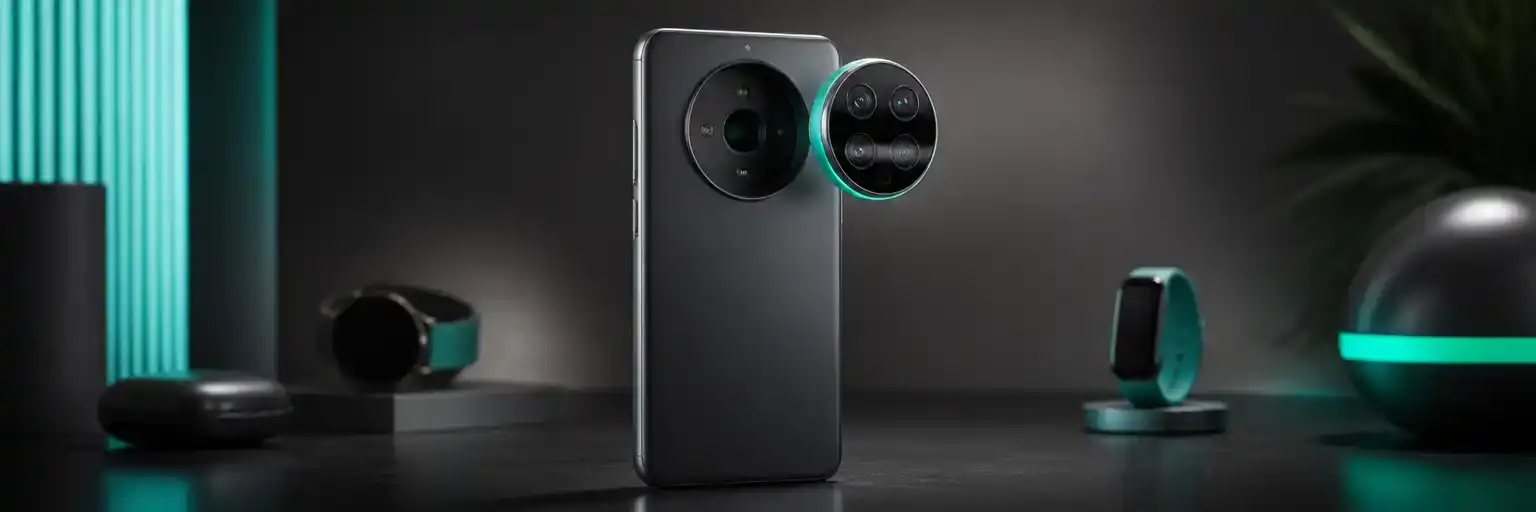
A swappable RICOH-branded camera module and a 7000 mAh battery make the realme GT 8 Pro a rare surprise, but charm only matters if software keeps it alive.
Googlebook can't win Galaxy owners by copying what Samsung DeX already does
Googlebook finally brings a real desktop to Android, but for anyone with a Galaxy phone, DeX already covers most of it for free. Google needs a stronger pitch than "it's a laptop."
Nothing's Android 17 rollout is a good start, not a victory lap
Nothing OS 5.0 reached four more phones on October 30, early by some accounts. Small brands can beat giants on updates, but only if the rollout reaches everyone intact.
Android Auto's silent notification bug is a trust problem, not a glitch
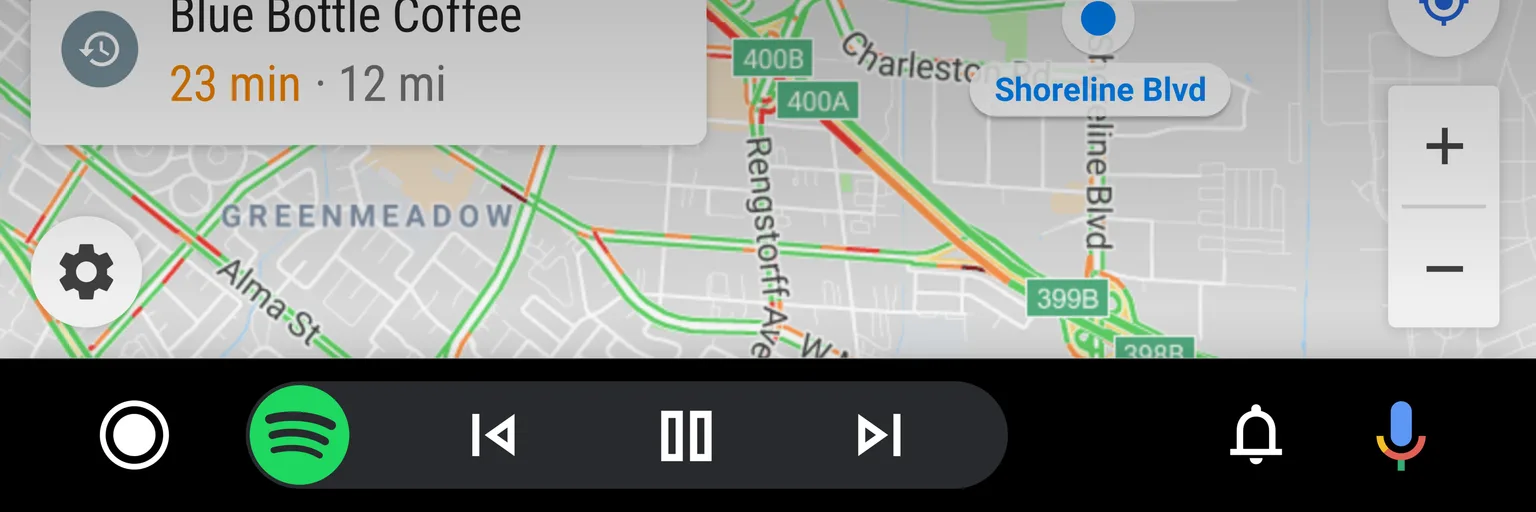
When Android Auto stops showing messages, nothing tells you. The failure exposes a fragile chain of phone, app and car, and why Google should own it and say so.