WhatsApp's scheduled messages are overdue, but 14 days is a lot of rope
Scheduling is the most overdue feature in WhatsApp's history, but a two-week window in group chats invites noise and awkward mistakes unless canceling is effortless.
Sound stickers fit Brazil's sticker culture perfectly, but they're also an engagement play. The mute controls exist; we think silent by default should be next.
View-once text messages are reaching WhatsApp on iPhone. They're a handy nudge toward better habits, but they only protect you from the person you chose to trust.
Freeing chats from Google Drive is a real win, but 2 GB free and tiers up to 4 TB make your history a Meta subscription. Encryption and key control decide the rest.
WhatsApp usernames promise to keep your phone number private. The idea is right, but the real test is who gets protected by default and whether it holds up in groups.
Dotted-underline numbers, dates and addresses save a few taps. They may also point to Meta wanting the chat to be where things start, so we should ask what gets read.
With Samsung Messages gone, Google Messages is the only Android app that sends RCS. An open standard behind one company's app is a lock-in, and users should push back.
Permanent pins, retroactive history and a mentions filter help you cope with noise. None of it gives group admins new tools to reduce it, and cover photos look like engagement bait.
Pinning and filtering in group chats are overdue basics, but they signal a real shift. The test is whether they cut the noise or just add menus to a crowded app.
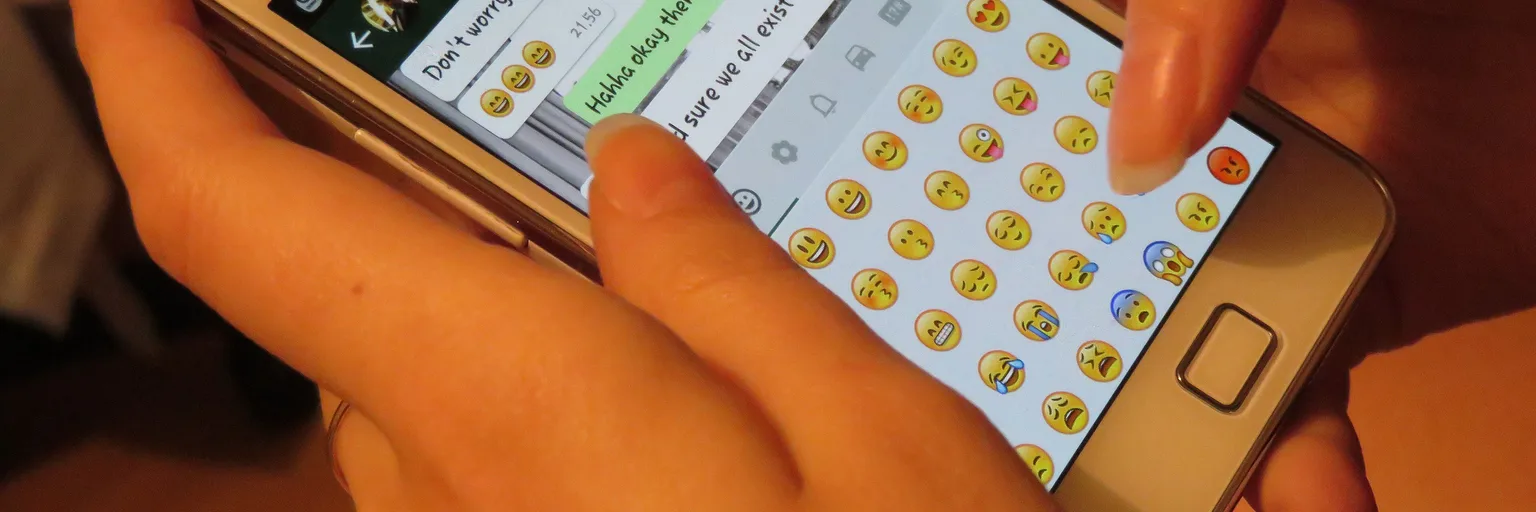
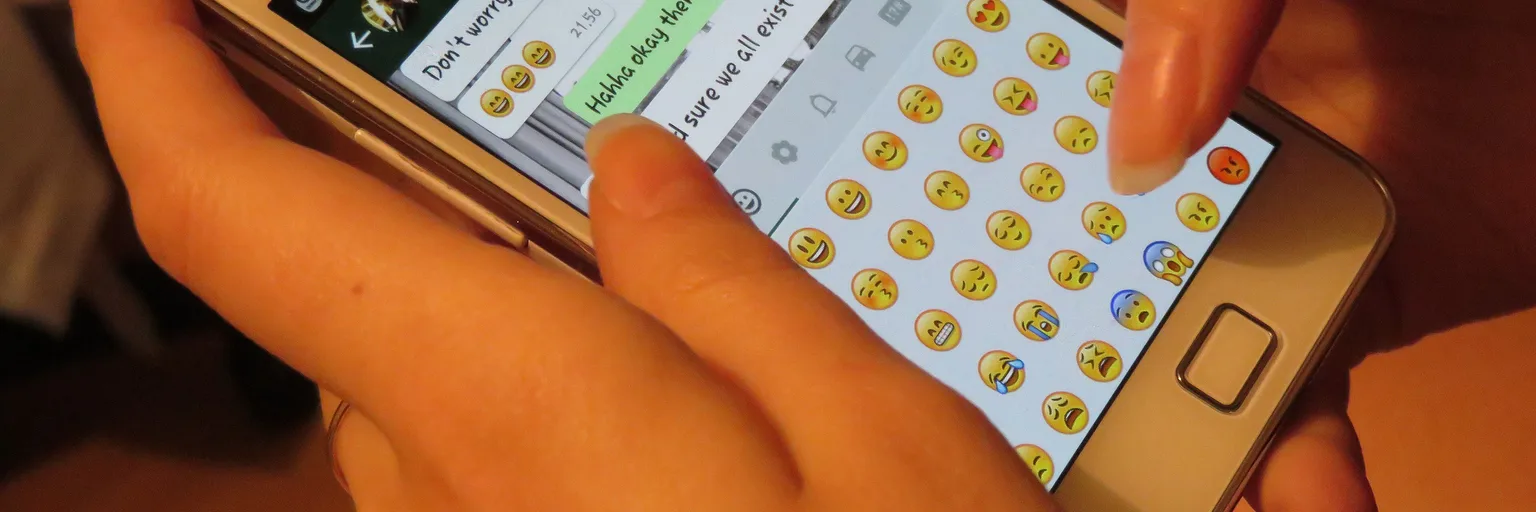
WhatsApp's new voice message transcription feature, rolled out in November 2024, offers unparalleled convenience and accessibility, but its on-device processing approach is key to understanding its privacy implications.