Meta's October 30 deadline is about businesses, and consent-by-continuing is the real trap
The new terms hit business accounts, not personal profiles, but accepting them by simply continuing to use Meta's products is the real problem.

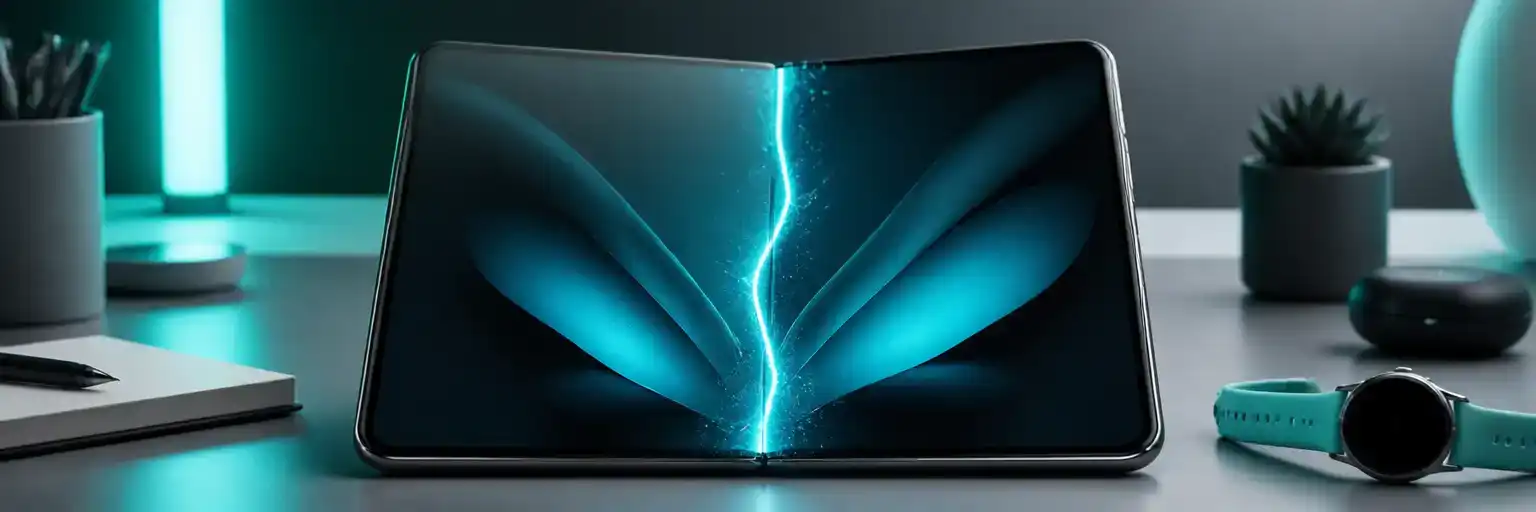
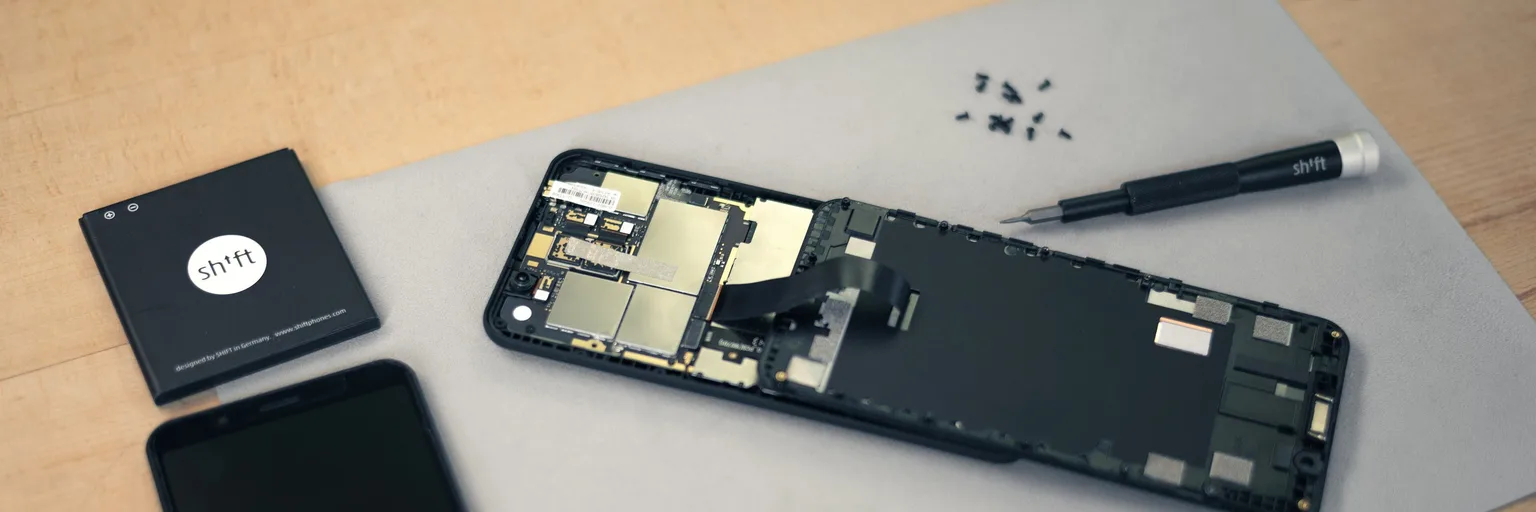
iFixit's teardown points at the hinge and the inner screen's support, and a foldable that starts at $1,999 deserves a clear warranty policy, not an argument over who dropped it.
Citizen Lab's AdFection report shows spyware can arrive through targeted ads, with no click needed. Ad code should be treated like any other mobile threat vector.
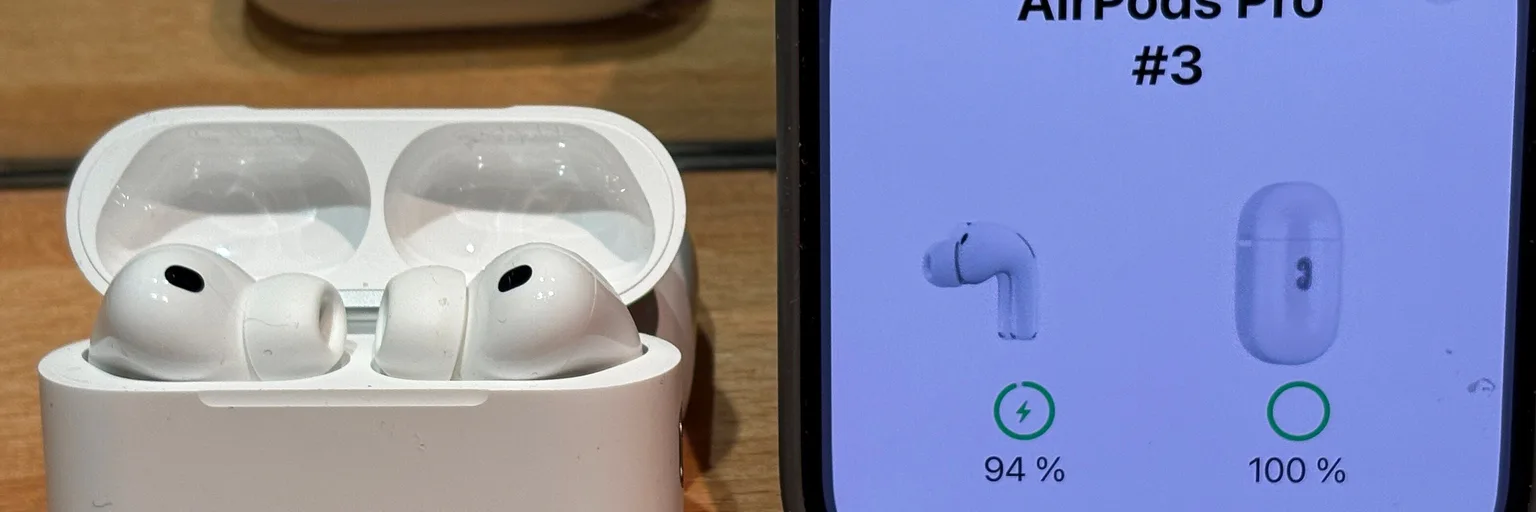
Apple's flagship buds keep the sound on Android but drop the smarts that justify the price. Buyers should know it first, and Android rivals shouldn't copy the lock-in.
Letting people without an account join calls from a browser link is a clever way to widen WhatsApp's reach. The open question is what guests give up and how links stay safe.
Google is moving scam defense into Messages and Chrome with louder warnings and cloud AI. The catch: the strongest protection is opt-in and tied to one vendor's menus.
Huawei and Apple grow while Xiaomi, vivo and OPPO shrink in China. We think memory costs are squeezing out the mid-premium phone, and the rest of the world will feel it.
A reported inner-display break after three hours, a warranty refusal and a $999 repair price: a first-generation foldable needs a clear guarantee, not a shrug.
A 4,883mAh battery is respectable, not remarkable. What will decide whether the $1,999 foldable is worth it is how fast apps learn to use all that extra screen.
Oppo's boldest Android phone is aimed at Europe, with no US plans in sight. Europeans get real choice, but the fine print on battery and price deserves a hard look.
Spotify has every right to enforce its household rule, but a code that changes every few seconds and a 12-month ban is a heavy-handed way to do it.
A launch-day jailbreak, helped by AI, suggests Apple can't count on fresh hardware to buy time. Buyers should judge it by how fast patches arrive, not by perfection.
Since October 22, manufacturers must repair out-of-warranty phones sold in Italy. The law is promising, but without a hard definition of "reasonable," the price of parts decides everything.
Moving Subscriptions out of the bottom bar is sold as a smoother Home, but in our view it nudges viewers away from the channels they chose toward feeds YouTube picks.
Bringing back text Status after swapping it for a Snapchat-style feature shows that cloning a rival's format can't replace listening to how people actually use your app.
Motorola and Honor are now in the seven-year club, but a slogan isn't a patch. We should reward delivery on time and on affordable phones, not the press release.
Phones showing a January 1, 2027 Google Play system update are fine, by all accounts. The real problem is how little Google lets us verify about updates that protect us.
India's sub-INR 20,000 segment fell 47% in the third quarter. It is a preview of what cheap Android buyers everywhere will face as memory chips chase AI money.
A bug let iPhone users reopen "View Once" photos by digging through storage settings. It's fixed, but the lesson is to treat ephemeral features as best effort, not protection.
Android's chief concedes that warnings alone don't stop scams. The fix is right in spirit, but the 24-hour wait and developer verification risk making openness a favor Google grants.