WhatsApp's Status U-turn proves that copying Snapchat isn't a strategy
Bringing back text Status after swapping it for a Snapchat-style feature shows that cloning a rival's format can't replace listening to how people actually use your app.
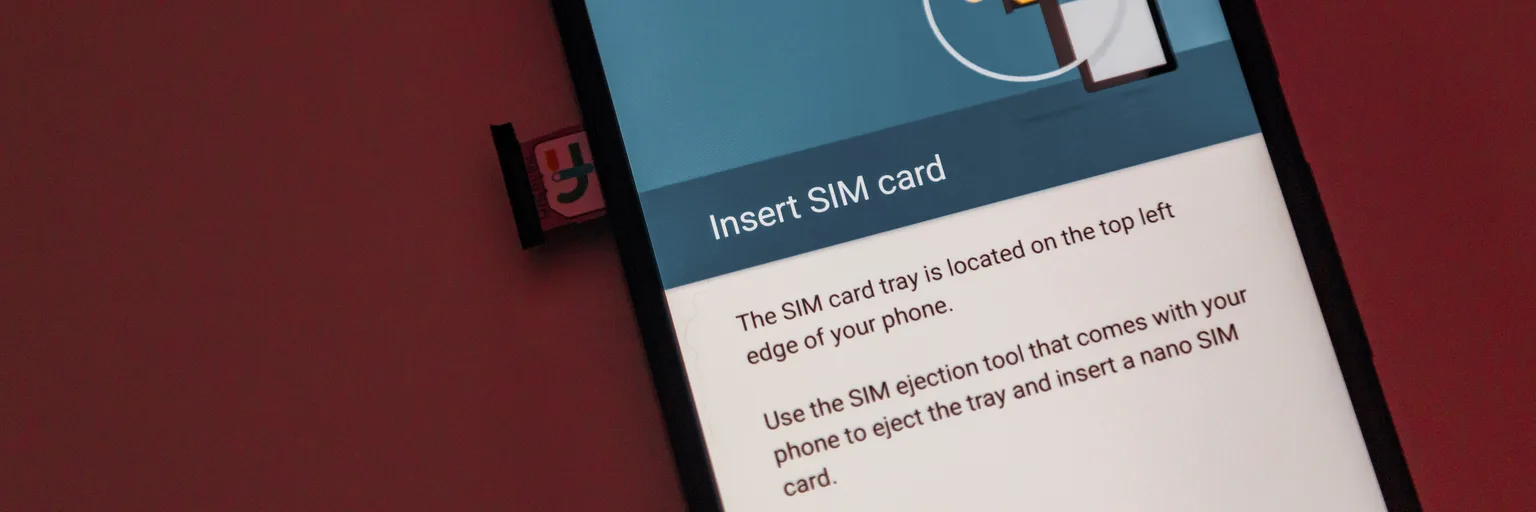
Photo: Kristin Hardwick / Wikimedia Commons (CC0)
What do you do when you replace something people liked with something everyone else already has? If you're WhatsApp, you apparently wait a few weeks, read the room and quietly put the old thing back.
A caveat before we go on: the documentation we have is a set of archived 2017 articles, not fresh coverage, and the relative dates in them ("last month") refer to early 2017. We're treating the episode as the case study it is, and our argument doesn't depend on any current figures.
As The Next Web reported, WhatsApp launched a new Status feature in February 2017 that closely resembles Snapchat and Instagram Stories. Photos, videos and GIFs with emoji, text and drawings, expiring after 24 hours. It arrived at the expense of the old text-only Status.
Not long after, Mashable reported that WhatsApp was reintroducing the text option after community feedback. A WhatsApp rep said users missed a persistent text-only update, so it was moved to the "About" section of the profile, where it shows next to contact names.
Copying a format is easy; copying a habit is not
Snapchat-style stories work because people go to Snapchat to perform: a quick, glossy slice of the day. WhatsApp is a different place. People open it to talk to family, coworkers and the group chat. A short line that says "at work" or "busy" is not content, it's a signal. Ephemeral video can't do that job, because it vanishes after 24 hours and requires you to make something.
That's our reading, and the company's own wording supports it: the key word in the statement was "persistent." Users didn't ask for fewer features. They asked for a cheap, passive way to say something that stays put.
The fix is telling, and a little too neat
Notice what WhatsApp did not do. It didn't drop the new Status. It said it would keep building on it, and it moved the old feature into the profile's About section. We think this is a reasonable compromise, but also a quiet admission: the two features serve different needs, and the first version of the redesign treated one as a replacement for the other.
It's also worth noting the speed. According to Mashable, the text option showed up in the Android beta first, with a rollout to all Android users promised within a week and iOS soon after. Fast reversals are a good sign, and we'd rather see that than a company defending a decision for a year.
Product teams are the ones who should take notes
Users win, obviously, though only partly: the old text Status now lives somewhere less prominent. Shipping a rival's headline feature is tempting when the whole industry is doing it, and Mashable itself wondered, cautiously, whether people were tiring of Snapchat clones in every social app. We wouldn't go that far from one example. But it does look like a clear lesson: test whether your users want the trend before you remove what they already use.
Our verdict: the U-turn is good news, and the more interesting part is that it was needed at all. In 2017 the About section was where WhatsApp put the old text line; the app may have changed since, so check your own profile settings. And if you build apps, add before you replace, and listen before you redesign.
No topics yet: start the first one.
More stories
WhatsApp's View Once bug proves "disappearing" is a promise, not a guarantee
A bug let iPhone users reopen "View Once" photos by digging through storage settings. It's fixed, but the lesson is to treat ephemeral features as best effort, not protection.
WhatsApp is right to cut off old phones, but it owes users a real way out
Dropping Android 5 and forcing an iOS 15.5 floor is defensible on security grounds. The real test is whether WhatsApp makes the exit path painless or just points to the store.
Bitchat's French surge is a trust signal, not a security guarantee
Downloads spiked in France before the October 24 protests, though no shutdown is planned. Offline Bluetooth chat is useful, but its range and unproven security deserve caution.

India's SIM binding turns a fraud fix into a tax on everyone
Tying WhatsApp and Telegram to an active SIM may annoy hundreds of millions of legitimate users while barely slowing the scammers it targets, and other governments could copy it.