China's phone slump isn't a crisis for everyone: the middle is what's dying
Huawei and Apple grow while Xiaomi, vivo and OPPO shrink in China. We think memory costs are squeezing out the mid-premium phone, and the rest of the world will feel it.
Photo: TERPERCIALOA 200 / Wikimedia Commons (CC BY-SA 4.0)
What does it say about a market when its two biggest winners are the brand that prices with restraint and the premium brand everyone else is chasing? In China this quarter, that wasn't a paradox. It was the whole story.
The numbers differ by tracker, but the direction doesn't. IDC's preliminary data, as TelecomLead reports, put China's Q3 shipments down 15.4% year on year. Huawei grew 17.3% and Apple's share rose to 17.8%, even though its unit volume fell. OPPO, vivo, Xiaomi and Honor all declined. Omdia's figures, reported by BigGo, show a 12% drop. We'd treat the exact percentage as a matter of methodology and focus on the pattern both agree on.
The squeeze isn't about demand, it's about who can afford memory
The cause is fairly clear in the documentation: DRAM and NAND prices are rising because, as BigGo's report on the Omdia data puts it, AI servers are absorbing memory chip capacity. Counterpoint says global retail prices are up 20% so far in 2026, and global shipments fell 20% in Q3.
In that environment, scale and pricing discipline matter more than brand loyalty. The BigGo report says Apple's supply-chain bargaining power has stabilized its memory procurement. IDC credits Huawei's growth to diverse product formats and relatively restrained price increases. Neither explanation is "better phone." Both are "better position."
Meanwhile, the Chinese brands in the middle are doing what the numbers force them to do. vivo and OPPO raised prices on entry and mid-range models, and Counterpoint says that pushed vivo's budget phones out of key price bands. Xiaomi cut exposure to lower price tiers. Omdia's Hou Lin points to Xiaomi dropping the standard model from its flagship series, while OPPO and vivo added Pro Max variants.
We read that as a retreat upward. When the cheap phone stops making money and the premium phone is still selling, everyone runs toward premium at once. The problem is that "premium" has only so much room, and Huawei and Apple are already standing in it.
Apple's win is partly an accident of timing, Huawei's is not
We'd be careful about crowning Apple too quickly. Its shipments fell, and Counterpoint ties that to the absence of a base iPhone 18 this cycle. Omdia describes a deliberate change: only the Pro series in September, standard models later. If that holds, Apple's next quarters will look different, and Chinese rivals get a window to hit back. The share gain is real, but the strategic picture is less settled than the headline.
Huawei's case looks sturdier. It is the only major vendor with double-digit annual growth in IDC's data, and its lead over Apple went from a 0.6-point deficit to 3.3 points. One caveat: its shipments fell 17.6% from the previous quarter, so it isn't immune either. It simply kept growing on the year while the other big Chinese brands shrank.
What the rest of the world should expect
This is where we move from fact to forecast. Counterpoint expects production cuts, tighter portfolios and more focus on premium devices to continue, and IDC expects hard conditions through Q4 2026 and much of 2027. If that holds, the Chinese brands that sell Android phones abroad will probably spend less effort on the cheap phones many buyers rely on.
There are early hints. Counterpoint says Xiaomi reduced its presence in non-core overseas markets, and OPPO is shifting supply toward higher-return markets and models. Samsung, meanwhile, held 23% share globally and benefited as some Chinese brands pulled back from emerging markets, with its A series supported by stable component supply.
Our verdict: if you're buying an Android phone in the next year, don't count on the usual price-to-spec bargains from the mid-range. We'd expect fewer models, fewer colors and memory configurations, and higher prices. If your current phone works, keeping it is the rational move, and Counterpoint says consumers are already holding on to their devices longer. If you must buy, the winners of this squeeze (Samsung, Apple, Huawei where it's sold) look like the safest bets for support and availability. The losers aren't going away, but the middle they built their business on is getting smaller.
No topics yet: start the first one.
More stories
The Oppo Find X10 Pro Max shows what US Android buyers are missing
Oppo's boldest Android phone is aimed at Europe, with no US plans in sight. Europeans get real choice, but the fine print on battery and price deserves a hard look.
Italy's right to repair is a real win, if "reasonable price" means something
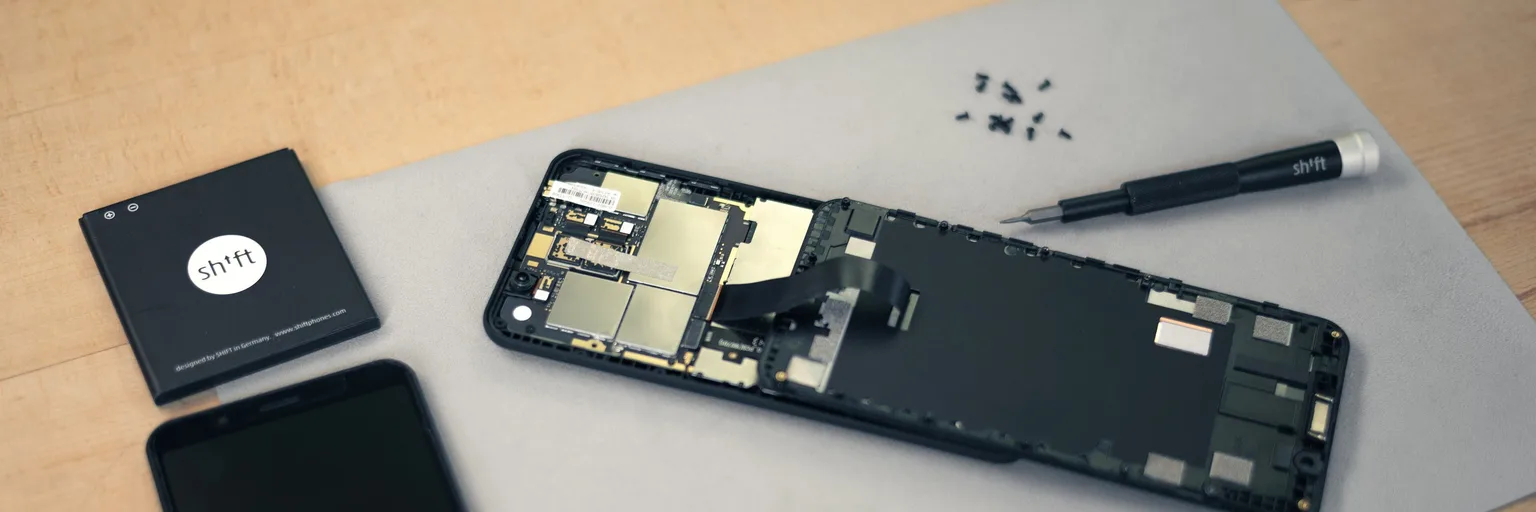
Since October 22, manufacturers must repair out-of-warranty phones sold in Italy. The law is promising, but without a hard definition of "reasonable," the price of parts decides everything.
Seven-year update pledges are cheap talk until they reach mid-rangers
Motorola and Honor are now in the seven-year club, but a slogan isn't a patch. We should reward delivery on time and on affordable phones, not the press release.
A Play system update dated 2027 is harmless, but the opacity around it isn't
Phones showing a January 1, 2027 Google Play system update are fine, by all accounts. The real problem is how little Google lets us verify about updates that protect us.