ColorOS 17: OPPO's Unified AI Push Reimagines the Android Experience
OPPO’s new ColorOS 17 unifies software across three major brands while introducing a suite of advanced AI and fluidity features, positioning it as a significant differentiator in a competitive smartphone market.
Photo: OPPO, ColorOS / Wikimedia Commons (CC BY-SA 4.0)
In an increasingly competitive and, at times, stagnant smartphone market, differentiation is key. OPPO is making a bold statement with ColorOS 17, a comprehensive overhaul that not only introduces significant AI advancements and fluidity improvements but also unifies the software experience across its own devices and those of OnePlus and Realme. This strategic move could reshape the Android landscape for millions of users.
OPPO officially unveiled ColorOS 17 in China on September 17, 2026, bringing a more translucent design and new AI features across its devices and those of OnePlus and Realme, as reported by Beebom. Global rollout details were confirmed around October 13-14, 2026, according to Techwiser. Based on Android 17, the update is slated to begin reaching flagship models in October 2026, with a wider rollout to other devices beginning from October 29, 2026, continuing through November, December, and into Q1 2027. This launch is particularly noteworthy because, as confirmed by OnePlus on July 16, 2026, and Realme simultaneously, both OxygenOS and Realme UI are transitioning into ColorOS 17, consolidating the software experience for three major brands under one banner.
The Power of Unity: A Strategic Ecosystem Play
The decision to merge OxygenOS and Realme UI into ColorOS is arguably one of the most significant aspects of this update. For years, Android manufacturers have struggled to create cohesive ecosystems comparable to Apple's. By bringing OnePlus and Realme devices into the ColorOS fold, OPPO is streamlining development, ensuring a more consistent user experience, and potentially fostering a more robust, integrated ecosystem. This unification promises faster, more consistent updates, which has been a pain point for many Android users. While long-time OnePlus fans may lament the phasing out of OxygenOS, the shift is designed to benefit the wider user base by providing a single, optimized software platform. Existing OnePlus users will even have the option to opt-in to the switch, with a rollback window available, offering a degree of flexibility during this transition.
AI That Doesn't Just Answer, It Acts
ColorOS 17's AI features go beyond simple voice commands, venturing into agentic AI that can perform tasks at a system level, promising a truly intelligent user assistant. The updated Heytap assistant, previously Breeno, now understands daily context to provide timely reminders, track tasks, and remember payments and events, even integrating with hundreds of Chinese services. The camera gains new recognition capabilities, from identifying objects and improving document readability to estimating food calories and connecting to Wi-Fi networks. It can also intelligently display boarding passes or tickets based on user location or activity, anticipating needs rather than simply reacting to commands. The gallery's new DaVinci editor further enhances this intelligence, supporting natural-language commands for photo editing. For critical security, ColorOS 17 includes intelligent fraud detection, capable of blocking malicious links, dangerous app installations, and payments associated with scams. It even extends to video calls, with detection for deepfakes and AI-generated voices, addressing growing concerns about digital deception.
A Fluid Interface Redefines Responsiveness
Beyond raw intelligence, ColorOS 17 prioritizes a
No topics yet: start the first one.
More stories
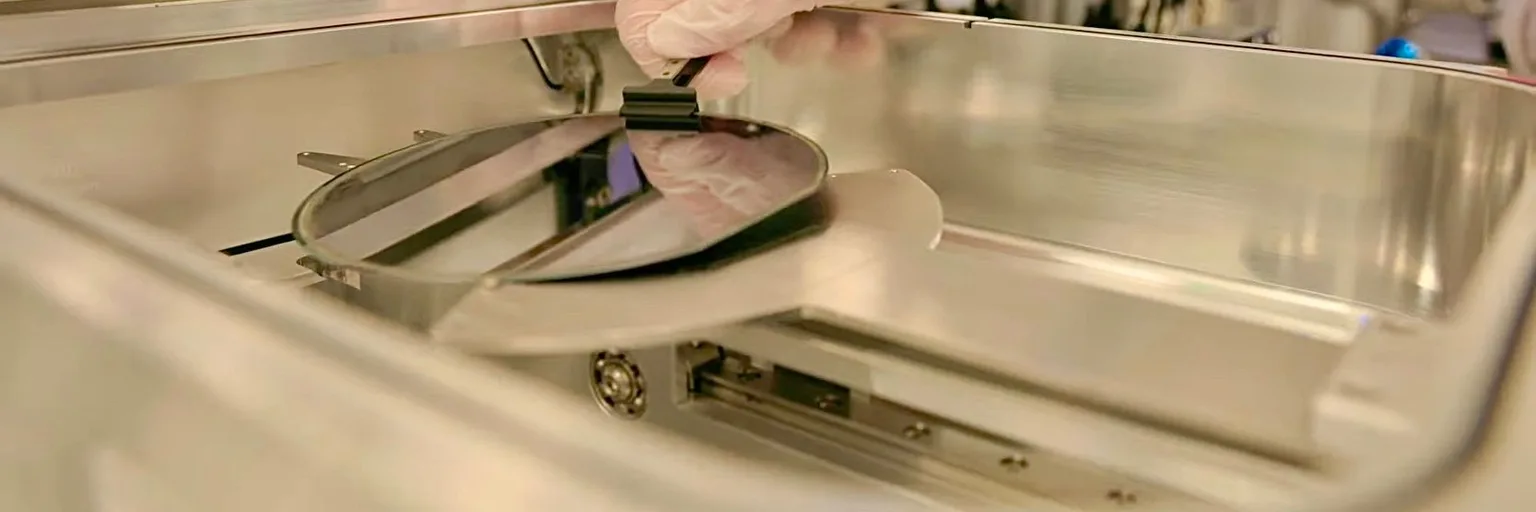
ASML's Outlook: Why the Chip Giant's Vision Spells a Smarter Smartphone Future
The dominant chip equipment maker's robust performance projections and optimistic long-term outlook signal a vibrant future for advanced semiconductors, directly fueling the next wave of smartphone innovation.
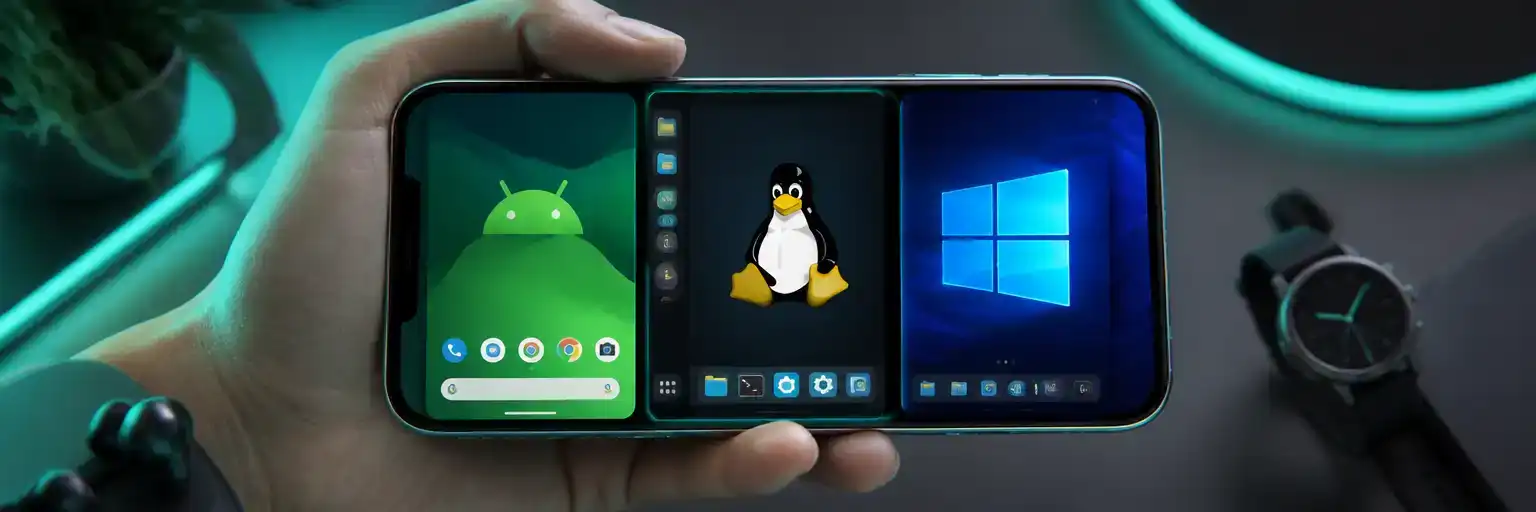
NexPhone's Triple-OS Dream: Innovation or Overkill?
The delayed NexPhone promises unprecedented versatility by running Android, Linux, and Windows 11, but technical hurdles and questions about its real-world utility cast a long shadow over this ambitious project.
Smartphone Market Plummets: More Than Just a Chip Shortage
The dramatic 20% decline in Q3 2026 smartphone shipments is not merely a temporary blip; it signals a fundamental market reset driven by economic realities and evolving consumer habits.

Coolpad's 6.3-inch Challenger: A Bold Bet on Budget Screens
Coolpad is re-entering the budget smartphone arena with an upcoming 6.3-inch device, potentially disrupting conventional display trends with a focus on affordability and a unique 'wide-screen' experience.