Google's Gemini Rollout: A Forced Upgrade Users Are Rejecting
An unexpected user rebellion is brewing on Android, as a workaround to revert from Gemini to Google Assistant highlights a clear preference for proven functionality over Google's aggressive AI push.
AI-generated image
Is Google's aggressive push into artificial intelligence creating a rift with its most loyal users? For many Android owners, the recent transition from Google Assistant to Gemini hasn't been a seamless upgrade, but rather a disruption so significant that a growing number are actively seeking methods to revert to the familiar.
Google has been clear about its intentions: by 2026, Gemini is set to become the default AI assistant across most mobile devices, aiming to integrate advanced generative AI capabilities into daily mobile interactions meetgeek.ai. However, the rollout has been met with considerable friction, as reports from users on platforms like Reddit and Google's own support forums reveal widespread dissatisfaction. So much so that an enterprising user uncovered and shared a method to force Android smartphones back to Google Assistant, a discovery quickly amplified by tech outlets.
The AI Overreach: When Novelty Trumps Utility
The core of the issue seems to lie in Google's enthusiasm for AI overestimating user readiness and the immediate utility of Gemini for everyday tasks. While Gemini is undeniably powerful, designed for complex reasoning, writing assistance, brainstorming, and deep integration with Google Workspace, it often falls short where Google Assistant truly shined: speed, simplicity, and reliable smart home control. Users accustomed to instant responses for timers, quick questions, or device commands find Gemini's more nuanced, conversational approach cumbersome for these fundamental functions.
Indeed, some users report that Gemini handles smart home routines differently, leading to confusion, especially in households with multiple devices that respond to “Hey Google” fr.gizmodo.com. For a tool meant to simplify life, disruptions in basic smart home management are significant drawbacks. This gap in functionality has led to sentiments ranging from frustration to outright calls of the replacement being a “disaster” for daily usability on mobile devices, including critical platforms like Android Auto.
The Familiarity Factor: Why Users Cling to Assistant
The user desire to revert isn't merely resistance to change; it's a testament to the value of established routines and low-latency performance. For many, a digital assistant is a utility, a means to an end for quick information retrieval or device control, not a generative AI capable of crafting prose or summarizing documents—tasks often better suited for a browser or dedicated app. Google Assistant’s strength was its predictability and efficiency for single-step commands, making it a reliable companion for hands-free interactions in varied environments.
Furthermore, the muscle memory associated with triggering the assistant—whether through a voice command or a long press of the power button—is deeply ingrained. When this familiar interaction point suddenly summons a different, less efficient tool for common tasks, it disrupts the user experience rather than enhancing it. The very act of seeking out and implementing a workaround, sometimes involving uninstalling updates, speaks volumes about how much users value the original Assistant's directness and reliability for their daily needs.
A Temporary Fix or a Design Flaw?
While Google does offer official pathways to switch back to Assistant from within the Gemini app or Google settings mi.com, the sheer number of users resorting to less conventional methods suggests either these official options are not intuitive enough or, for some, simply do not appear. The workaround involving uninstalling Google app updates, as reported by Phonandroid and Android Authority, highlights the determination of users to reclaim their preferred experience. However, these solutions are often temporary, as future updates will inevitably push Gemini back as the default.
This situation presents Google with a crucial dilemma. Does it continue to push Gemini, hoping users will adapt to its AI-first approach, or does it take a step back and integrate Assistant's core functionalities for speed and reliability before forcing the transition? In our view, true innovation should enhance, not complicate, the daily digital experience. The current user rebellion suggests that, for now, Google’s aggressive AI push is complicating things more than it helps.
No topics yet: start the first one.
More stories
ColorOS 17: OPPO's Unified AI Push Reimagines the Android Experience
OPPO’s new ColorOS 17 unifies software across three major brands while introducing a suite of advanced AI and fluidity features, positioning it as a significant differentiator in a competitive smartphone market.

ASML's Outlook: Why the Chip Giant's Vision Spells a Smarter Smartphone Future
The dominant chip equipment maker's robust performance projections and optimistic long-term outlook signal a vibrant future for advanced semiconductors, directly fueling the next wave of smartphone innovation.

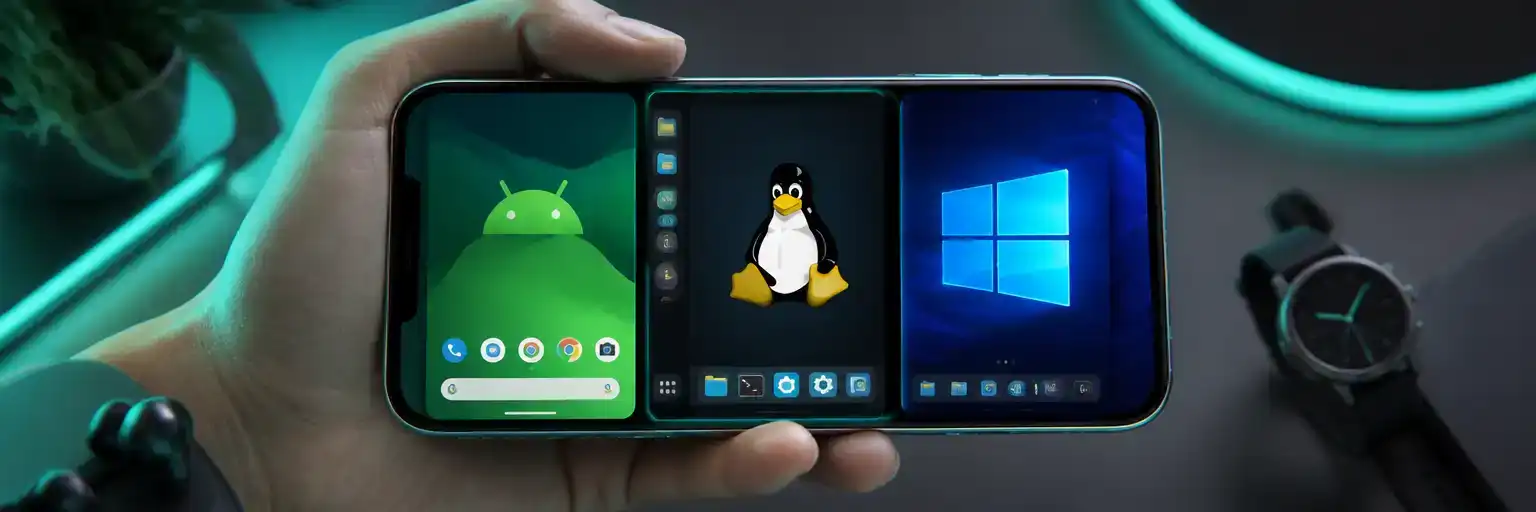
NexPhone's Triple-OS Dream: Innovation or Overkill?
The delayed NexPhone promises unprecedented versatility by running Android, Linux, and Windows 11, but technical hurdles and questions about its real-world utility cast a long shadow over this ambitious project.
Smartphone Market Plummets: More Than Just a Chip Shortage
The dramatic 20% decline in Q3 2026 smartphone shipments is not merely a temporary blip; it signals a fundamental market reset driven by economic realities and evolving consumer habits.