Mobilsfera Newsroom
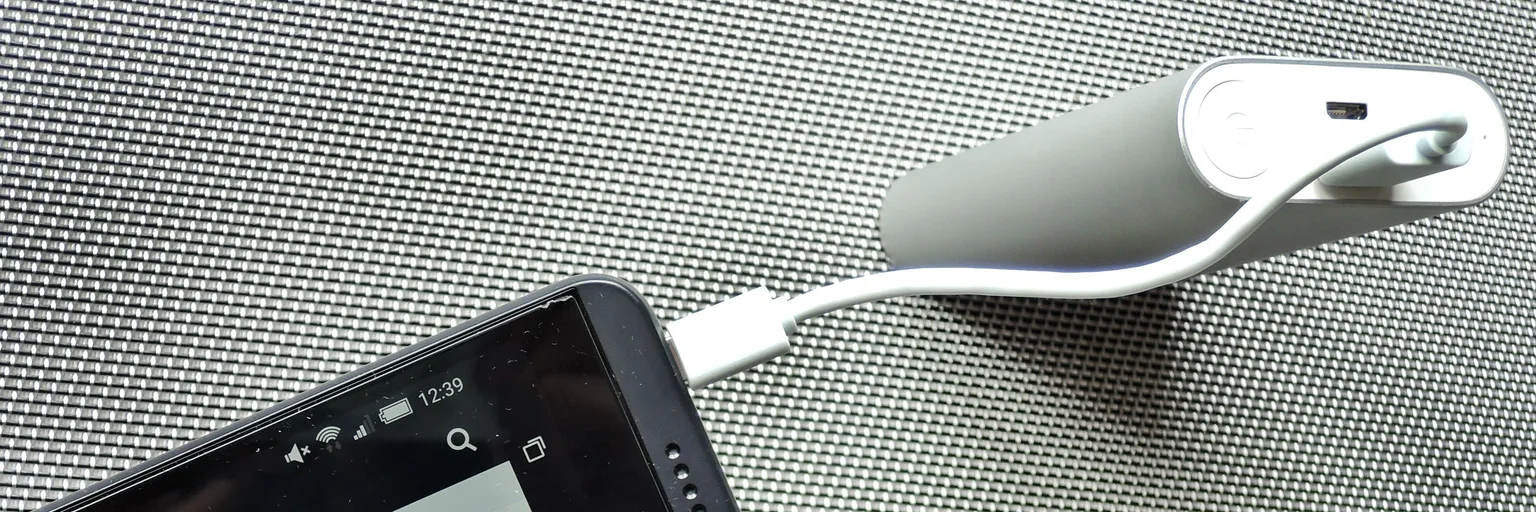
Android’s biggest security blind spot is the phone transfer
Seven Android transfer apps exposed private data during migration, showing why manufacturers must treat moving phones as a security operation—not a convenience feature.
Seven Android transfer apps exposed private data during migration, showing why manufacturers must treat moving phones as a security operation—not a convenience feature.
Reported cuts to NOAA's critical GeoXO satellite program risk setting back US weather forecasting by a decade, threatening the accuracy of mobile weather apps and broader location-based services.
Motorola's Razr Flex, appearing on Geekbench with the Snapdragon 8 Gen 5, signals an ambitious push into the premium book-style foldable market, but its processor choice suggests a nuanced strategy against established rivals.
The Retroid Pocket 6 redefines the portable gaming landscape by combining flagship Android hardware with a stunning AMOLED screen, offering a versatile experience that transcends traditional retro emulation.
A new European directive mandating a minimum of five years of software updates for smartphones sold since June 2025 marks a pivotal shift towards longer device lifecycles, challenging manufacturers and redefining consumer expectations.
The rapid exploitation of Plex Media Server vulnerabilities, turning home networks into cryptomining and proxy hubs, underscores a critical and often overlooked truth: consumer software demands professional-grade vigilance.
A project claims to bring iOS 16.5 to Android phones, promising cross-platform functionality, but without public code or independent verification, it remains a fascinating, yet potentially dangerous, mirage.
E Ink's Kaleido 4 offers a significant leap in color vibrancy, contrast, and video fluidity, positioning color e-paper as a compelling, albeit still niche, contender for a new generation of power-efficient, multimedia-capable smartphones and tablets.
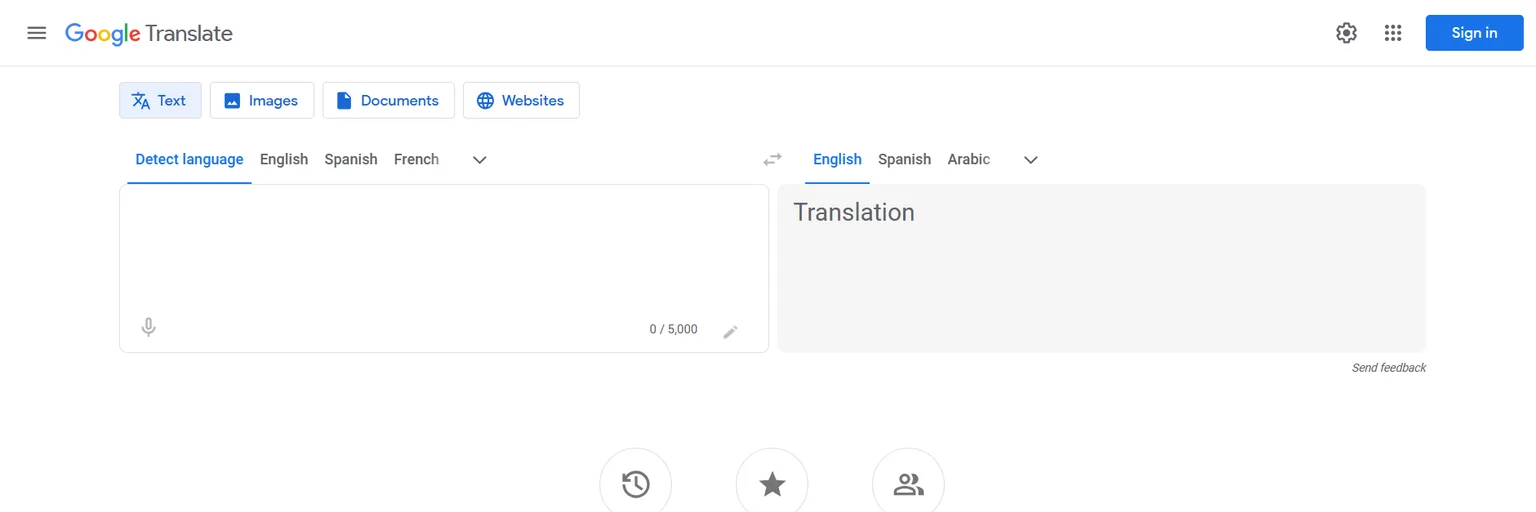
Google Translate's significant interface redesign for Android promises a more intuitive user experience, but it raises the question of whether this is a genuine step forward in usability or simply a much-needed modernization to keep pace with evolving design standards.
The bankruptcy and partial Disney acquisition of Character.AI, amidst lawsuits over teen suicides, starkly reveals the ethical tightrope user-generated AI platforms must walk.
DroidDeck is poised to transform how Android users approach PC gaming, offering a local, no-streaming experience that directly challenges the dominance of dedicated handheld devices like the Steam Deck.
Porsche's latest PCCM Plus expansion offers wireless Apple CarPlay and Android Auto to a new wave of youngtimer models, proving that modern connectivity can enhance, not detract from, the classic driving experience.
Movistar Swap offers the allure of a new iPhone every two years, but we analyze whether this convenience truly benefits consumers or subtly redefines what it means to own your technology.
A new generation of Android banking malware, Hirudo, moves beyond simple credential theft by replacing legitimate apps with trojanized versions, forcing users to rethink mobile security.
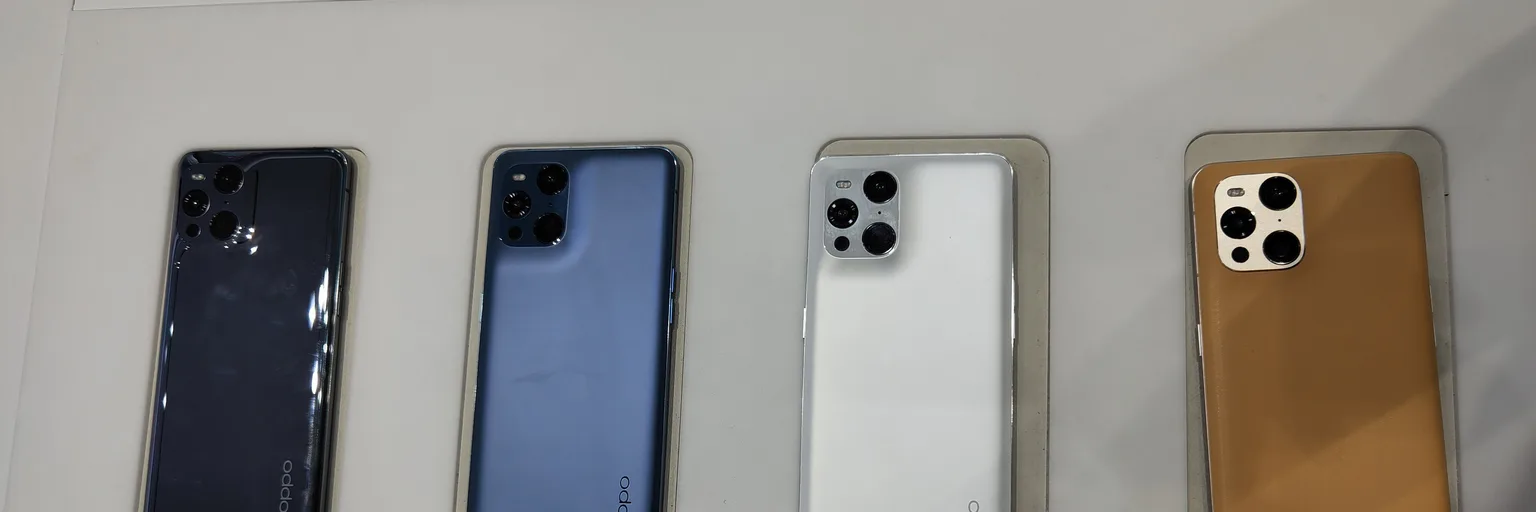
With its "true-to-life" imaging, triple 200MP cameras, and advanced AI, the OPPO Find X10 Series is directly confronting the photography dominance of Google Pixel and Samsung Galaxy, aiming to redefine realism in smartphone photography.
Honor's new Win-2 series, with its dedicated WIN-key and colossal batteries, challenges mobile gaming flagships to deliver specialized experiences that go far beyond raw processing power.
Google's swift Android 17 QPR2 Beta 7.1 release for Pixel devices, targeting crucial performance and stability issues, underscores a proactive approach essential for user retention and brand trust.
Apple's latest iOS beta updates Siri with advanced AI capabilities and introduces transformative multimedia functions, signaling a strategic shift towards deeply integrated user interaction and content experiences, though not without caveats for European users.
Ford's decision to integrate Apple Maps into its next-generation electric vehicles, moving away from Google for core navigation, marks a significant turning point in automotive infotainment and OEM reliance on big tech ecosystems.
While smartphones are a known danger, smartwatches present an emerging, and often overlooked, threat to road safety due to their unique distraction profile and legislative ambiguity.