Apple's iPhone Duo is doing Samsung's marketing for it
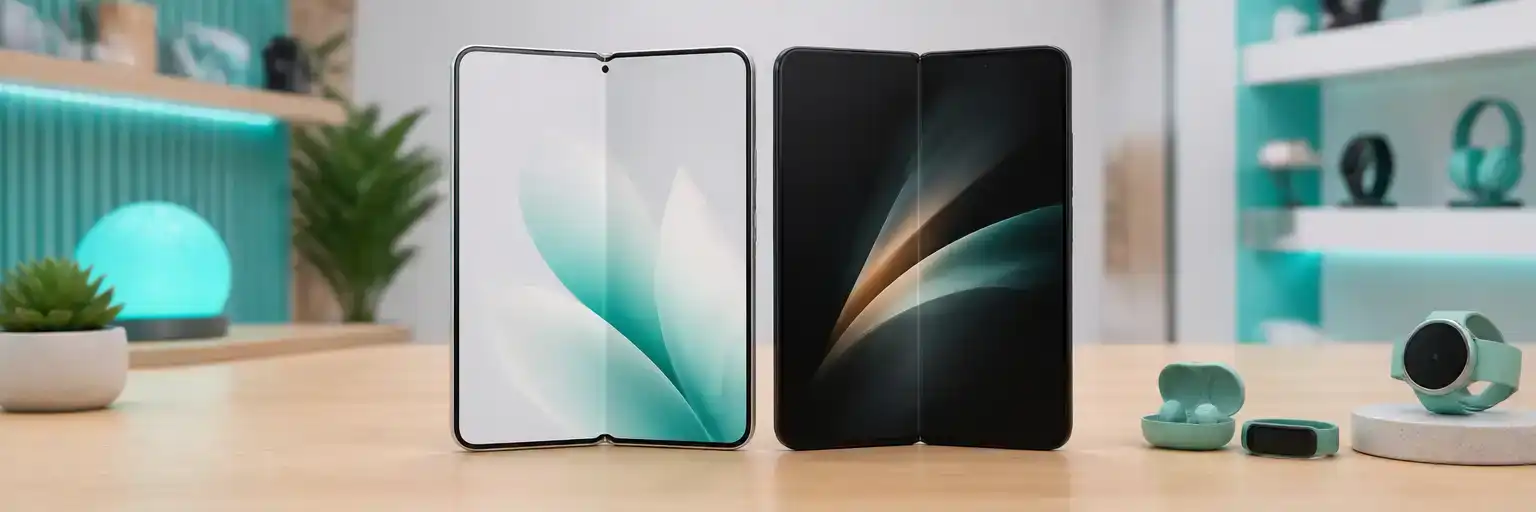
Samsung says interest in its Galaxy Z Fold8 is rising thanks to Apple's foldable. We think it's the classic pattern: Apple legitimizes a category, and rivals harvest it until Apple can ship.

Reports of fast-draining batteries on the Galaxy S25 after One UI 9 are piling up in Samsung's own forums, and a lack of clear communication could hurt more than the bug.
Vivo's Y600 and its Guinness livestream record are more than marketing: endurance is becoming the spec that really separates phones, and it may reach some markets first.
The FCC keeps handing SpaceX airwaves, and Starlink Mobile looks less like a coverage add-on and more like a rival. Hype aside, buyers should watch rural coverage first.
Red marks and blisters under the sensors of several Galaxy Watch models may not be burns, but Samsung's silence and advice-only answers aren't enough for a device worn all night.
WhatsApp says it only wanted its chatbot to skip legal advice. But hidden rules that keep privacy authorities out of the conversation are exactly why bot prompts should be public.
One UI 9 is reaching the Galaxy S23, a phone from early 2023, which makes Samsung's support promise credible. The staggered rollout and the AirDrop gap keep it from a clean win.
Apple's first foldable looks like a genuinely good piece of hardware, but a steep entry price and apps that haven't caught up make patience the smarter buy.
Australia's court order is another crack in the App Store wall. Apple's smartest move is to design one coherent, secure opening instead of a patchwork of country rules.
LE Audio and Channel Sounding promise better audio and smarter proximity features on Android, but fragmented support could make Bluetooth less universal.
The EU’s Booking.com investigation exposes a broken bargain: travel platforms want marketplace scale, but leave users to verify identities, listings and payment requests.
Google TV’s latest feature roundup makes a familiar promise: more novelty than change. The useful question is what actually works, where, and for whom.
OpenAI’s new PIN and biometric locks hide sensitive chats from casual snooping, but they do not change retention, training settings, or account-level exposure.
WhatsApp may let Android users read why an unknown caller is calling before answering, but the convenience comes with a new automated gatekeeper.
A Google Home data bug is not just embarrassing software: it shows why connected devices need alerts, limits and recovery tools before users pay the price.
Apple’s October 28 event may introduce a touchscreen MacBook Pro, but the bigger change is strategic: Apple could finally blur the boundaries its lineup depends on.
Apple Watch Series 12 shows how wearables are moving beyond notifications, but health ambitions demand stronger evidence, privacy safeguards and longer battery life.
The UK wants rival wallets on the iPhone, but lower access fees alone will not create competition unless banks build services users actually want.
Samsung’s reported M2700 and M2800 modem plans could improve Galaxy autonomy, but network conditions—not node size alone—will decide whether users notice.
Garmin’s latest updates show how software longevity can make an expensive watch feel like a lasting platform—if owners know what they will actually receive.