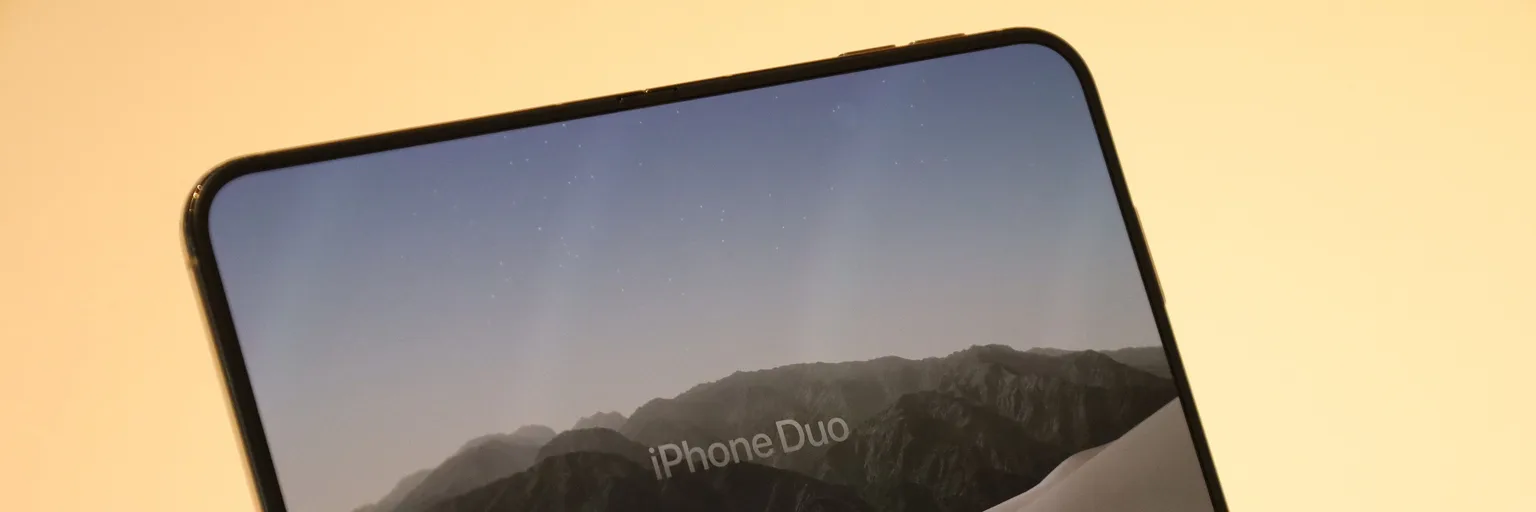
Apple admits the iPhone Duo screen problem. Now it has to fix the policy
A replacement offer is a start, not an answer. Apple still owes buyers a promise that covers everyone, no blame on users, and a straight explanation of why the screens break.
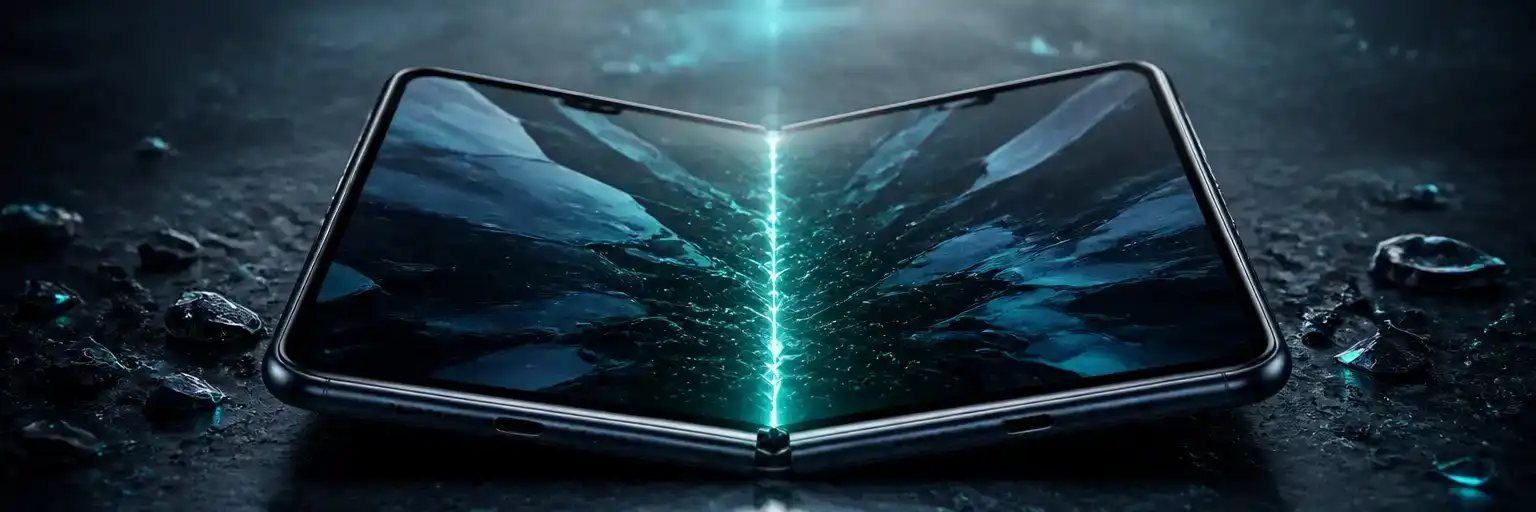
iFixit's teardown points at the hinge and the inner screen's support, and a foldable that starts at $1,999 deserves a clear warranty policy, not an argument over who dropped it.
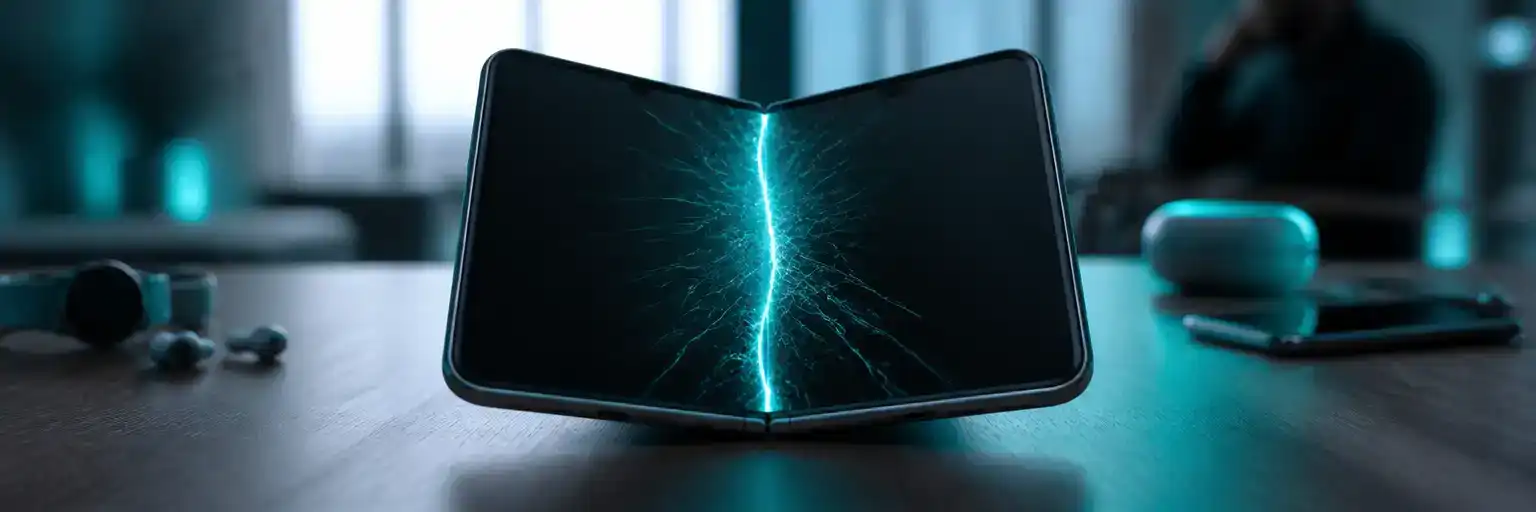
A reported inner-display break after three hours, a warranty refusal and a $999 repair price: a first-generation foldable needs a clear guarantee, not a shrug.
A 4,883mAh battery is respectable, not remarkable. What will decide whether the $1,999 foldable is worth it is how fast apps learn to use all that extra screen.
A launch-day jailbreak, helped by AI, suggests Apple can't count on fresh hardware to buy time. Buyers should judge it by how fast patches arrive, not by perfection.
Scarce stock hides the first crease failures on Apple's $1,999 foldable. Before anyone pays that premium, Apple owes buyers plain answers on warranty and repairs.
Australia's Federal Court has ordered rival app stores and alternative payments on the iPhone. Apple's best move is a single global model, not another appeal.
Apple's two-per-customer cap and January ship dates grab headlines, but early stress tests show a sturdy hinge and a display worth worrying about before you spend $1,999.
Apple's first foldable looks like a genuinely good piece of hardware, but a steep entry price and apps that haven't caught up make patience the smarter buy.
Australia's court order is another crack in the App Store wall. Apple's smartest move is to design one coherent, secure opening instead of a patchwork of country rules.
Apple’s October 28 event may introduce a touchscreen MacBook Pro, but the bigger change is strategic: Apple could finally blur the boundaries its lineup depends on.
The UK wants rival wallets on the iPhone, but lower access fees alone will not create competition unless banks build services users actually want.
Apple's latest iOS beta updates Siri with advanced AI capabilities and introduces transformative multimedia functions, signaling a strategic shift towards deeply integrated user interaction and content experiences, though not without caveats for European users.
By transforming the iPhone Duo into a virtual Walkman where closing the device starts the music, Duo-Man brilliantly leverages foldable hardware for a unique, nostalgic, and intuitive user experience that sets a new standard for app design.
The eagerly anticipated iPad mini 8 is rumored to bring an OLED display, but the crucial question of its refresh rate remains, leaving us to wonder if it will truly elevate the compact tablet experience or merely offer a partial upgrade.
Mozilla's native Swift redevelopment of Thunderbird for iPhone signals a serious commitment to the Apple ecosystem, aiming to redefine email alternatives on iOS if it delivers on its ambitious promises for integration and features.
Despite a reputation for simplicity, many powerful iOS features remain deeply hidden, turning users into accidental explorers and sparking debate on Apple's approach to user education versus the joy of organic discovery.
Apple's decision to bypass a standard iPhone 18 launch, pushing consumers toward pricier Pro models or older, now more expensive, generations, signals a strategic pivot that could redefine the premium smartphone market.
Recent warnings about a new iPhone virus capable of stealing photos underscore that even Apple's robust security isn't foolproof when common user habits create critical vulnerabilities.
Apple's strategic 'acqui-hire' of Huxe's talent and tech signifies a shift for Siri, transforming it from a reactive assistant into a proactive, personalized audio companion capable of dynamic, interactive briefings.