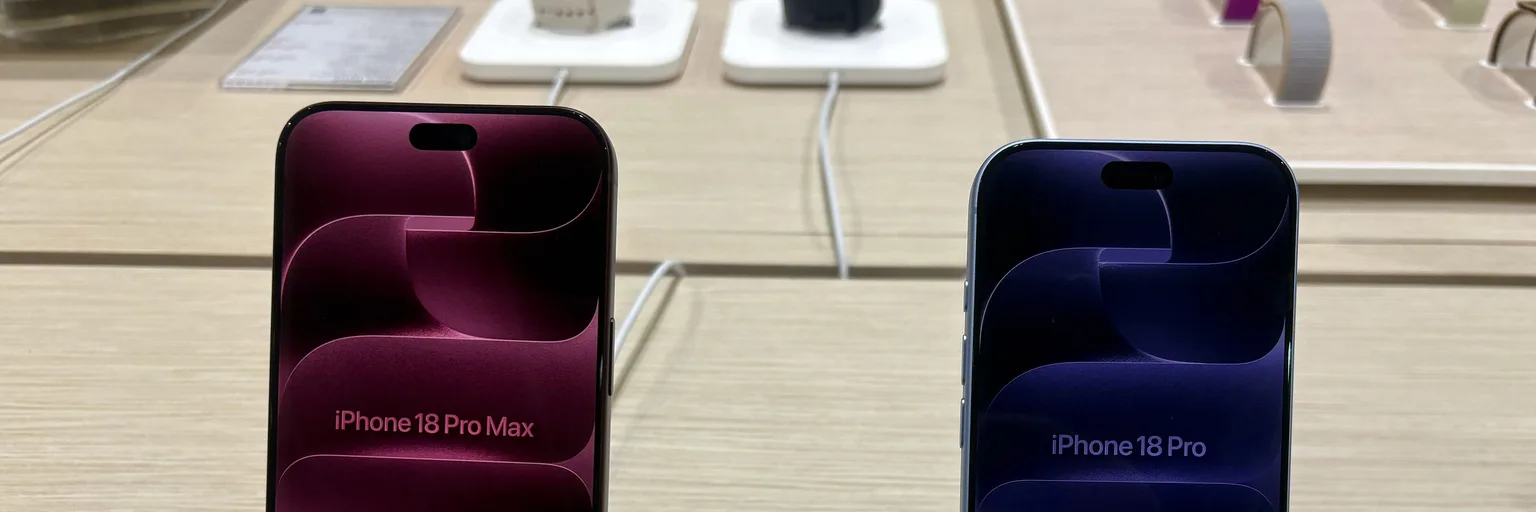
Apple's Missing iPhone 18: A Calculated Risk for the Masses?
Apple's decision to bypass a standard iPhone 18 launch, pushing consumers toward pricier Pro models or older, now more expensive, generations, signals a strategic pivot that could redefine the premium smartphone market.
AI-generated image
The leaves are falling, the scent of pumpkin spice is in the air, and Apple has once again commanded the tech world's attention with its annual September event. But this year, under the tagline "Surprise and Shine," the biggest surprise wasn't what was announced, but what was conspicuously absent: the standard iPhone 18.
Indeed, new CEO John Ternus and the Apple team unveiled the iPhone 18 Pro, the iPhone 18 Pro Max, and the highly anticipated foldable iPhone Duo, with the iPhone 18 Pro starting at $1,199 and the iPhone Duo at $1,999. However, the customary base model iPhone 18 was nowhere to be seen. This break from tradition, with its implications for consumers and the market, raises a critical question: is Apple abandoning its entry-level users, or is this a shrewd move to redefine its product strategy?
The Inevitable Push to Premium
For years, Apple's September event offered a clear upgrade path: a new standard iPhone and its Pro siblings. The absence of a regular iPhone 18 this fall effectively funnels consumers into a single direction: towards higher-priced models. Those looking for an immediate upgrade are now left with the choice of the iPhone 18 Pro or the iPhone Duo, both squarely in the premium segment. This isn't just about encouraging a step up; it's about eliminating the more affordable new-model option entirely from the holiday shopping season.
Even more telling is Apple's approach to its older devices. Traditionally, the launch of a new iPhone would see the previous generation discounted. This year, Apple has reversed course, raising the price of the iPhone 17 to $899 and even bumping the iPhone 16 back up to its original $800 price. As Macwelt reports, the iPhone 18 Pro is already more expensive than its predecessor. This aggressive pricing strategy across the board ensures that even an older iPhone isn't a cheap fallback, making the jump to a Pro model feel less drastic, or simply leaving budget-conscious consumers in a difficult position.
A Calculated Delay Amidst Market Headwinds
While Apple has not officially explained the absence, industry insights suggest a multifaceted strategy rather than a mere oversight. One significant factor is the ongoing RAM shortage, which has made memory and other components pricier than ever. The iPhone 18 Pro itself saw a $100 price increase over its predecessors, partially attributable to these rising costs. Delaying the standard model could be a way to manage production complications and higher manufacturing expenses, perhaps allowing Apple to implement cost control measures for the base model's eventual release, as MacRumors notes.
Nabila Popal, senior research director at the International Data Corporation (IDC), views this move as a brilliant strategy, allowing Apple to spread its shipments more evenly throughout the year and, crucially, to give the new iPhone Duo foldable the spotlight it deserves. The foldable market is still nascent for Apple, and a high-profile launch without the distraction of a lower-tier phone could prove pivotal for its success. The "Surprise and Shine" tagline seems to hint at a bold new direction for the company, especially under the leadership of new CEO John Ternus, who began his role on September 1, 2026, marking a pivotal moment for Apple, as CNET highlighted.
The "Standard" iPhone: A Spring Bloom or a Fading Option?
So, what about the iPhone 18? Rumors, as reported by outlets like Mashable and NDTV, suggest it hasn't been canceled but will arrive in early 2027, potentially alongside an iPhone 18e and a new iPhone Air. This would set a new schedule for Apple: more affordable phones in the spring, followed by its top-tier premium iPhones in the typical September window. This split release strategy could give each lineup its own dedicated attention, benefiting both product lines, according to IDC's Popal, as CNET explains.
However, for consumers who value the traditional September upgrade cycle, waiting another six months for a standard model might be a deal-breaker. Furthermore, despite the delay, the iPhone 18 is still expected to be pricier than its predecessors, with the iPhone 17 now at $899, setting a new baseline. While the iPhone 18 is rumored to include an A20 chip and an improved display, information is mixed on RAM, with analysts like Ming-Chi Kuo suggesting 9GB and Jeff Pu predicting 12GB. Crucially, 9GB RAM would limit support for some of Apple Intelligence's on-device features, a significant detail for the future of iOS. This suggests that even when it arrives, the standard iPhone 18 might be a more expensive, and potentially less capable, entry point than consumers are accustomed to.
Apple's decision to hold back the standard iPhone 18 is a calculated gamble. It forces consumers towards more profitable Pro models and the innovative, yet expensive, iPhone Duo, while restructuring its release calendar. This new cadence could indeed optimize sales and highlight different segments of its portfolio. However, it also creates a significant gap for those seeking a more accessible entry into the latest iPhone generation without breaking the bank. For many, this strategic shift means either paying a premium, waiting longer, or settling for an older, surprisingly expensive, model. The question remains whether this premium-first strategy will ultimately alienate its broad user base or solidify Apple's position at the very top of the high-end smartphone market, regardless of the cost to the consumer experience.
No topics yet: start the first one.
More stories
A New iPhone Virus Exposes Our Biggest Security Blind Spot
Recent warnings about a new iPhone virus capable of stealing photos underscore that even Apple's robust security isn't foolproof when common user habits create critical vulnerabilities.
Apple's Huxe Deal: The Sound of a Smarter, Proactive Siri
Apple's strategic 'acqui-hire' of Huxe's talent and tech signifies a shift for Siri, transforming it from a reactive assistant into a proactive, personalized audio companion capable of dynamic, interactive briefings.

iPhone Duo: Apple's Pricey Foldable Redefines UX, But With Compromises
Apple's long-awaited foldable brings a remarkably subtle crease and refined iOS adaptations, yet its high price and feature trade-offs spark debate on its true value and market position.
iPhone 18 Pro Order Cuts: Apple's Pricing Strategy Faces Reality Check
Apple's decision to slash iPhone 18 Pro and Pro Max component orders suggests a growing consumer resistance to escalating premium smartphone prices, compelling the tech giant to re-examine its market approach.