Why iPhones Hold Value Better: It's More Than Just the Hardware
The significant difference in depreciation rates between Android smartphones and iPhones reveals how Apple's brand power, ecosystem, and perceived longevity influence consumer choices and long-term value.
AI-generated image
In the fast-paced world of smartphones, few things are as certain as depreciation. The moment a new device leaves the store, its value begins to erode. Yet, not all smartphones lose value at the same rate, and the stark difference between Android devices and iPhones highlights a critical financial consideration for consumers. While immediate price drops are often seen on many Android devices, even flagship models, this trend underscores a broader economic reality. It contrasts sharply with iPhones, which consistently demonstrate stronger value retention, positioning them as a more stable investment over time.
The Enduring Value of the iPhone
When we talk about the depreciation of smartphones, the numbers speak volumes. Industry data consistently shows that iPhones retain their value significantly better than their Android counterparts. For example, high-end iPhone models have been observed to maintain their value better than any other iPhone or Android models in the first 12 months after launch, as reported by Compare and Recycle. This isn't just a minor difference; it's a substantial gap that impacts the true cost of ownership. While an Android phone might be cheaper upfront, its rapid depreciation means a lower resale or trade-in value, making the effective cost of upgrading more expensive in the long run. We believe this strong value retention is a key factor that many consumers overlook when making a purchase decision.
The Apple Ecosystem: A Walled Garden's Appeal
The tight-knit Apple ecosystem is undeniably a major driver of brand loyalty and plays a crucial role in the iPhone's superior resale value. This integrated environment, where hardware and software are meticulously designed to work together, creates a seamless and often unparalleled user experience. From the effortless connection of AirPods to the simplicity of sharing files via AirDrop, and the promise of continuous, long-term iOS updates, the interconnectedness is a powerful draw for users.
Apple's commitment to long-term software support ensures that older iPhone models remain functional and secure for years, further slowing their depreciation. New features like Apple Intelligence, with its visual tools and writing aids, also reinforce the iPhone's advanced capabilities, maintaining its desirability. For those looking to switch, Apple actively facilitates the transition from Android to iOS with its "Move to iOS" app, making it straightforward to transfer contacts, messages, photos, and even WhatsApp content. This ease of migration, coupled with assistance for data transfer and number retention offered at Apple Stores, removes a significant barrier for potential switchers, ensuring a steady stream of new users into the ecosystem.
Android's Strengths and Challenges
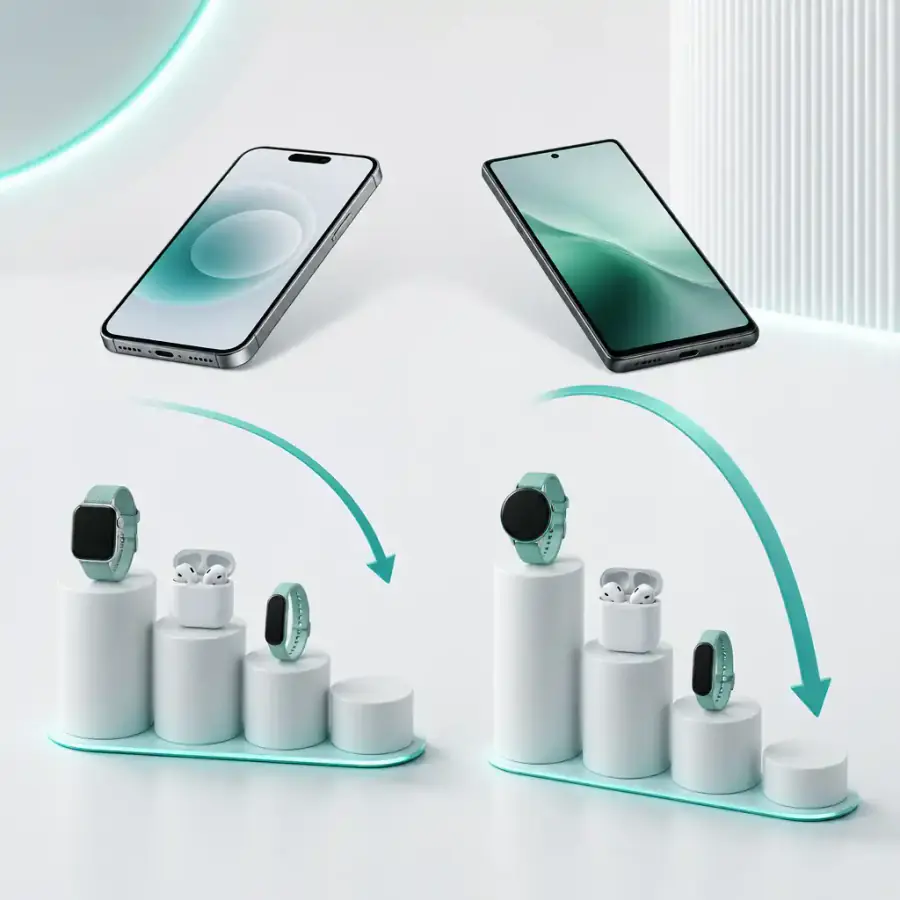
Android smartphones offer a compelling value proposition, especially when it comes to diversity and customization. The Android ecosystem, powered by Google, boasts a vast array of devices from numerous manufacturers like Samsung, Motorola, and Xiaomi. This variety translates into a wide range of price points, features, and design choices, making Android accessible to a broader demographic (as highlighted by La Poste Mobile). The Google Play Store also offers nearly twice as many applications as Apple's App Store, catering to every imaginable need. Customization options are abundant, allowing users to tailor their interface extensively, a stark contrast to iOS's more uniform experience.
However, this very diversity can contribute to Android's depreciation challenge. The sheer volume of new models and the fragmented nature of software updates across different manufacturers can make it harder for Android phones to retain value. A constant influx of newer, slightly improved models can quickly make previous generations seem outdated. While Android offers flexibility and choice, this comes with the trade-off of less consistent long-term support and often faster value erosion compared to the iPhone's more controlled and predictable lifecycle.
Beyond the Initial Price Tag
Ultimately, the choice between an iPhone and an Android device is a personal one, driven by priorities such as customization, ecosystem preference, and budget. However, for consumers who view their smartphone as a significant investment, the difference in depreciation rates cannot be ignored. While an Android phone might present a lower initial outlay or exciting flash sale discounts, the iPhone's ability to hold its value significantly longer means a higher return when it's time to upgrade or sell. This often results in a lower true cost of ownership for iPhone users, as they can recoup a larger portion of their initial investment through trade-in programs like Apple Trade In.
We recommend looking beyond the sticker price and considering the full lifecycle cost of a smartphone. The strong resale value of iPhones, bolstered by their robust ecosystem, consistent software support, and perceived durability, makes them a more financially sound choice for many. While Android offers unparalleled choice and customization, its quicker depreciation trajectory is a factor that every savvy buyer should weigh against the allure of a lower upfront cost. The long-term value, in our view, often outweighs the initial savings.
No topics yet: start the first one.
More stories
Android 17's Blue Dot: A Confusing Nudge, or a Privacy Revolution?
Google's new blue dot indicator in Android 17 aims to empower users with real-time location tracking transparency, transforming how we understand and manage our digital footprint.

Oppo F35 Pro 5G Redefines Mid-Range Battery Expectations
Oppo's new F35 Pro 5G, boasting an enormous 8,000mAh battery and rapid 80W charging, marks a significant shift, proving that exceptional endurance and quick power-ups are no longer exclusive to flagship smartphones.
Android's Silent Data Killer: Why Your Internet Suddenly Dies
Android's native data limit feature, designed to prevent costly overages, frequently frustrates users by prematurely cutting off internet access due to forgotten settings and discrepancies with carrier billing.

Vivo X Fold 6's European Gambit: Is the €2,199 Price a Bold Play or a Misstep?
Vivo is entering the highly competitive European foldable market with its X Fold 6 at a premium price, signaling ambition but facing significant hurdles against established players.