Samsung's Foldable Blitz: Is the Galaxy Z Fold 8 the Tipping Point?
With the Galaxy Z Fold 8 lineup's July debut and aggressive promotions, Samsung is making a clear statement: foldables are here to stay, and the company intends to lead the charge, broadening their appeal beyond early adopters.
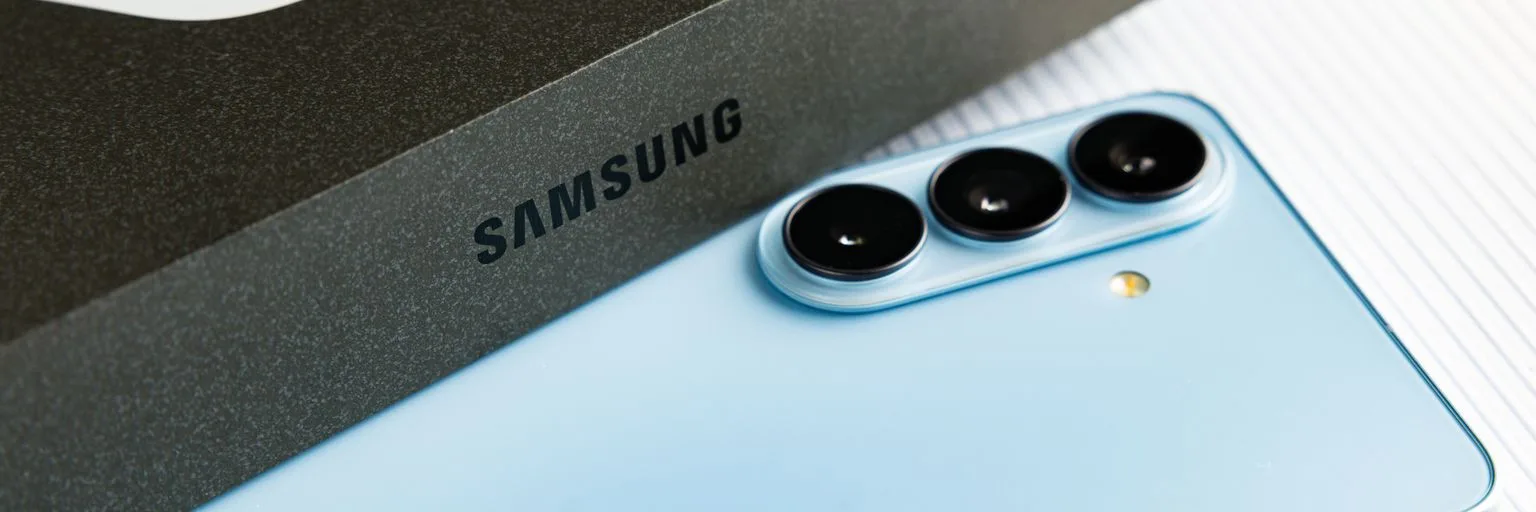
Photo: ScribblingGeek / Wikimedia Commons (CC BY-SA 4.0)
The foldable smartphone market has long been a niche, a playground for early adopters and tech enthusiasts willing to pay a premium for innovation. But Samsung's latest move suggests this era is drawing to a close. With the official unveiling of the Galaxy Z Fold 8, Galaxy Z Flip 8, and the new Galaxy Z Fold 8 Ultra on July 22, 2026, Samsung isn't just releasing new devices; it's aggressively pursuing market dominance and broader consumer acceptance.
This multi-device launch, accompanied by immediate pre-order availability and promotional offers, signals a strategic escalation. The Z Fold 8, for instance, makes a significant statement by being the lightest Galaxy Z Fold ever, weighing just 201g, a clear response to ongoing discussions about the practicality of foldable designs. These devices also debuted running One UI 9, an Android 17-based release, showcasing Samsung's commitment to delivering cutting-edge software experiences from day one. In Italy, pre-orders commenced immediately, with devices hitting stores by August 3, 2026, while markets like the US and Malaysia saw availability from August 7 and August 14, 2026, respectively. These rapid rollouts, coupled with incentives like trade-in deals and 0% financing in Malaysia, paint a picture of a manufacturer determined to make foldables more accessible.
Refined Design and Expanding the Appeal
For years, foldables carried the stigma of being bulky and fragile. Samsung has clearly listened to feedback, as evidenced by the Galaxy Z Fold 8's impressive 201g weight and the Galaxy Z Fold 8 Ultra's sleek 4.1mm thinness and 215g weight. These advancements are critical for mainstream appeal. A lighter, thinner device is simply more palatable for daily use, addressing one of the primary hurdles to widespread adoption. Furthermore, the inclusion of a dual 50-megapixel camera system on the Z Fold 8, featuring both a main wide-angle and an ultra-wide-angle lens, demonstrates that Samsung is not sacrificing core smartphone functionality for the foldable form factor. This focus on practical improvements, rather than just novelty, is essential if foldables are to move from a luxury item to a true everyday companion.
A Multi-Front Battle for the Future of Mobile
Samsung's decision to launch three distinct foldable models—the Z Fold 8, Z Flip 8, and Z Fold 8 Ultra—underscores a comprehensive strategy to capture different segments of the premium market. The Z Flip line traditionally targets a fashion-conscious audience seeking a compact, stylish device, while the Z Fold series caters to power users desiring a tablet-like experience in their pocket. The introduction of the Z Fold 8 Ultra, with its distinct specifications, suggests Samsung is segmenting the foldable space even further, likely aiming for the absolute high-end. This diversified approach hedges against competitors and ensures Samsung has a product for various user preferences within the nascent foldable category. It's a calculated move to cast a wide net and bring more users into the foldable ecosystem, from those seeking ultimate productivity to those prioritizing portability and style.
Fending Off Rivals in a Growing Market
Samsung's aggressive push also comes at a time when the foldable market is becoming increasingly competitive. While the company has held a significant lead, others are now entering the fray. We see reports of Honor reportedly launching its first wide-format foldable in January, aiming to challenge both the Galaxy Z Fold 8 and even unreleased rivals. This intensifying competition validates Samsung's early investment in foldables but also necessitates a strong counter-strategy. By launching a comprehensive and refined lineup with compelling offers, Samsung is not just showcasing innovation; it's actively defending its position as the undisputed leader. The availability of promotional offers, such as discounts in Malaysia, is a direct tactic to lower the barrier to entry and prevent potential customers from looking elsewhere. In our view, this competitive landscape benefits consumers, as it pushes manufacturers to innovate faster and offer more value.
The Verdict: Samsung's Bet on Foldables Is Paying Off
The Galaxy Z Fold 8 series launch is more than just another annual refresh; it's a statement of intent. Samsung is demonstrating a clear vision for the future of mobile, a future where foldables are not just a niche product but a viable and attractive option for a significant portion of the premium market. By focusing on practical improvements like reduced weight, robust camera systems, and a diverse product portfolio, all while making them accessible through aggressive sales strategies, Samsung is trying to solidify its leadership and drive the mainstream adoption of foldables. While the long-term success of this strategy will depend on continued innovation and sustained consumer interest, it appears Samsung is making all the right moves to ensure the foldable revolution is a Samsung-led one.
No topics yet: start the first one.
More stories
Samsung's Mid-Range Update Strategy: Planned Obsolescence or Practical Support?
Samsung has ended software support for the Galaxy A04s and A23 5G, pushing users toward an upgrade cycle that raises concerns about device longevity and the environmental impact of budget-friendly smartphones.

Samsung's Galaxy S27 Leaks Hint at Smart Refinement, Not Revolution
Early leaks for the Samsung Galaxy S27 series, including memory, storage, battery, and software focus, suggest a strategic move towards perfecting the core experience rather than chasing radical new features in a maturing market.
Samsung's SmartTag3: A Cunning Gambit or a Conflicted Strategy?
Samsung's latest SmartTag3 supports iPhones but largely ignores other Android users, a strategic paradox aimed at challenging Apple while fortifying its own ecosystem.

RAM Crisis and AI: The End of Affordable Mid-Range Android?
Rising RAM costs, exacerbated by AI demands, are forcing general smartphone price increases, fundamentally challenging the value proposition of mid-range Android devices and making essential technology less accessible for many.