Google's 3D Emojis: A Step Forward, or Just Playing Catch-Up?
The rollout of Noto 3D on the Pixel 11 promises a richer visual language for Android, but Google's design choices reveal a complex interplay between innovation and industry convergence.
Photo: Ecsachs / Wikimedia Commons (CC BY-SA 4.0)
Emojis have long been the silent workhorses of our digital conversations, bridging the emotional gaps that plain text often leaves. Yet, as our communication evolves, so too must their form. Google's recent launch of Noto 3D, a complete overhaul of its emoji set, starting with the Pixel 11, raises a crucial question: is this a genuine leap forward for digital expression on Android, or a carefully calculated move to align with an industry standard already largely set by others?
On August 20, 2026, the Pixel 11 series arrived, debuting with Android 17's new Noto 3D emojis. This update marks a significant shift from the flatter designs and gradient effects Android users have grown accustomed to, transforming nearly 4,000 existing emojis into volumetric, three-dimensional objects complete with dynamic lighting and shadow treatments. First previewed earlier this year at Android I/O, this redesign is more than just a visual refresh; it's a statement on the evolving language of mobile communication.
Beyond the Surface: A New Dimension for Expression
The most striking aspect of Noto 3D is its deliberate embrace of depth. Google's designers sought to inject a sense of physicality into our rapid, fleeting digital exchanges, aiming to overcome the inherent digital divide that often makes online interactions feel flat. Google's design team, led in part by Jennifer Daniel, chairperson of Unicode's Emoji Standards Committee, meticulously redesigned nearly 4,000 emojis by hand. Their goal wasn't hyperrealism, but "emotional clarity," as detailed in their design process. Research, including insights from UX Engineer Dr. Alexander Robertson, guided them to strip away excessive detail and maintain minimal facial geometry to ensure universal readability, even at tiny pixel sizes. This careful approach contrasts with the temptation to simply show off advanced rendering capabilities, prioritizing the emotional connection of each symbol.
The Evolving Face of Digital Expression: Convergence and Distinction
One of the most notable aspects of Noto 3D is its move towards aligning with established industry aesthetics, particularly those popularized by Apple. Over the past eight years, emoji design across major vendors has increasingly converged, and Google's new set continues this pattern. For instance, the 'Face Screaming In Fear' emoji now features a rounder head, akin to Apple's interpretation. Similarly, 'Smiling Face with Open Hands' now faces forward, and 'Face with Hand Over Mouth' reveals a smile underneath, both mirroring Apple's designs. Other examples include the 'Pile of Poo' gaining swirl shading seen in Samsung's designs, and the 'Merperson' adopting an Apple-style trident and posture. The 'Cucumber' emoji no longer resembles a pickle, aligning with Apple, WhatsApp, and Huawei, while the 'Wilted Flower' now has a single petal, matching Apple. Even the 'Jack-O-Lantern' now appears with a lit candle inside, similar to Apple and WhatsApp, and the 'Night with Stars' has its moon direction and building shapes match Apple's representation.
However, Noto 3D also introduces Google-specific creative choices. The 'Flying Disc' gains a face, a feature now unique to Google, and the 'Sun with Face' has a redesigned expression not clearly modeled on any other vendor. Other shifts include the 'Teddy Bear' losing its yellow ribbon to align with Samsung's design, and the 'Locked' emoji adopting a more square shape, closer to other vendors generally. The extensive revision of the 'people' emoji category, with systematic changes to eyes, noses, chin structure, and hair treatments, also reflects a significant internal design effort.
What's Next for Noto 3D?
While the Pixel 11 series is the first to ship with Noto 3D, this update is not exclusive to Google's flagship phones. It is expected to be made available to other devices running Android 17 in the near future, including those from manufacturers like Xiaomi, Oppo, and Sony. Additionally, Google plans to progressively roll out these new emoji designs across its other products and platforms, such as Chrome OS, Gmail, and YouTube, in the coming months. Google has also stated that these images will be made available as open-source files via a new GitHub page, announced on September 17, 2026, furthering accessibility for developers and designers alike. This broader rollout ensures that Noto 3D will indeed become a widespread standard for digital expression on Android and beyond, marking a notable evolution in how we communicate.
No topics yet: start the first one.
More stories
OnePlus 16: A Powerhouse of Strategic Refinement, Not Reinvention
OnePlus refines the flagship experience with the OnePlus 16, leveraging a colossal battery, advanced gaming tech, and robust durability to define its value in a fiercely competitive Android market.

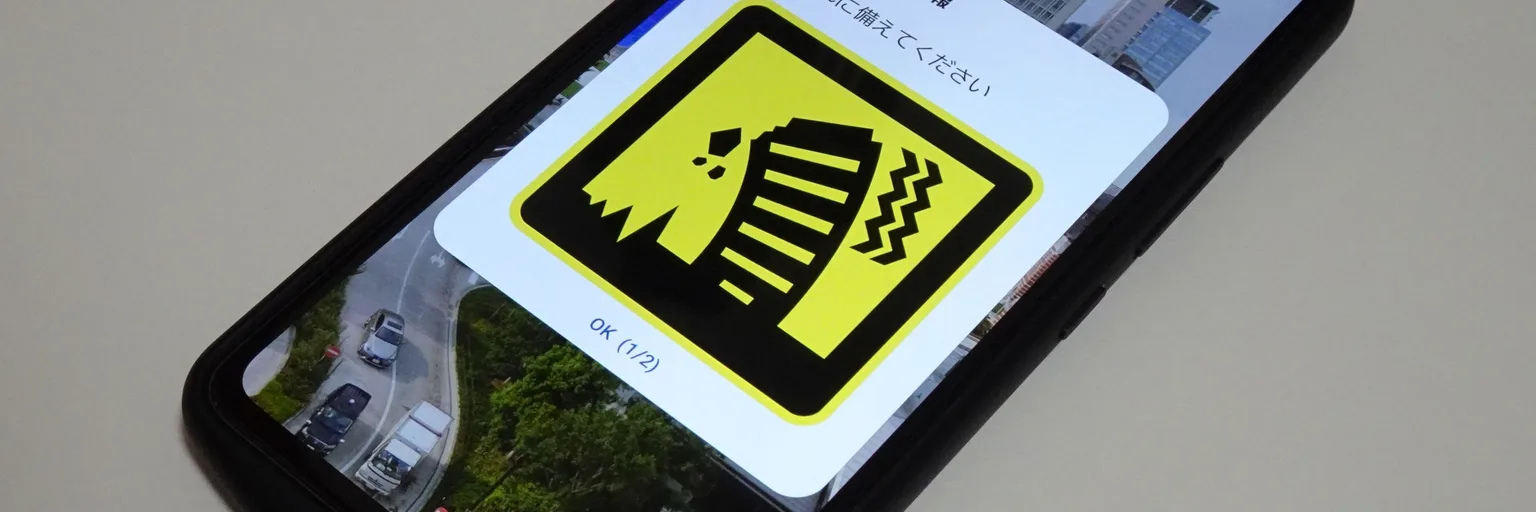
Smartphone Earthquake Alerts: Lifesaving Innovation or Perilous Crutch?
While Android and iPhone earthquake alert systems offer invaluable seconds of warning, their rise prompts a critical look at our readiness to act and the dangers of over-reliance on a single digital guardian.
Googlebook's Samsung Breakthrough: Finally a Real Android Ecosystem?
Google's critical update to its 'Better Together' features, finally bringing comprehensive Samsung support, could unify Chromebooks and Android in a way that truly challenges established integrated ecosystems.

Qualcomm's Elite Gen 6: The AI Revolution Android Flagships Need
Qualcomm's new Snapdragon 8 Elite Gen 6 chips, especially the 'Extreme' variant, promise to transform Android flagships into proactive AI agents, potentially setting a new standard for smartphone intelligence.