Samsung's SmartTag3: A Cunning Gambit or a Conflicted Strategy?
Samsung's latest SmartTag3 supports iPhones but largely ignores other Android users, a strategic paradox aimed at challenging Apple while fortifying its own ecosystem.

AI-generated image
In a surprising twist that redefines the competitive landscape of item trackers, Samsung has unveiled its Galaxy SmartTag3 with a significant, yet puzzling, new compatibility: support for iOS devices. While iPhone users can now tap into the SmartTag3's basic tracking capabilities, a critical omission remains – the device still does not integrate with the broader Android Find Hub network, leaving other Android users, like those with a Pixel phone, on the sidelines.
This marks a notable departure for the Galaxy SmartTag lineup, which previously catered exclusively to Samsung's own ecosystem. The SmartTag3 arrives on the scene positioned directly against Apple's AirTag and Google's nascent Pixel Tag, making its cross-OS compatibility with iPhones (iOS 17 or newer) a bold move, as Samsung itself announced and Notebookcheck confirms. But the decision to embrace Apple's platform while seemingly sidelining the wider Android community raises important questions about Samsung's long-term strategy and what it means for consumers.
The Apple Play: A Direct Challenge to AirTag Dominance
For years, the item tracker market has been largely dominated by Apple's AirTag within the iOS sphere, while Samsung's SmartTags carved out a niche for Galaxy users. With the SmartTag3, Samsung is clearly making a direct play for iPhone users, broadening its potential customer base significantly. This isn't just about selling more trackers; it's about positioning Samsung hardware as a viable alternative for Apple users, even if they remain committed to their iPhones for everything else. By offering basic tracking features like finding items up to 200 feet away and geofencing alerts, Samsung appears to be saying, "You don't need an AirTag if you prefer our hardware," as Android Authority reports. It's a shrewd tactic to penetrate a market segment previously considered out of reach, forcing Apple to contend with a direct competitor on its home turf.
This cross-OS compatibility is a notable first for the SmartTag lineup, signaling Samsung's readiness to go head-to-head with Apple, leveraging its device-finding network to rival Apple's own extensive network. For an iPhone user, the availability of a Samsung-branded tracker that works with their device offers a new choice, potentially at a different price point or with a preferred design. However, it's important to note that this isn't full support; some advanced features, such as Compass View, are not available on iPhones, as Sammyguru points out. Still, it's a calculated move to capture a share of the substantial iPhone user base that might be looking for alternatives or simply curious about what Samsung offers.
The Android Paradox: Samsung's Own Walled Garden
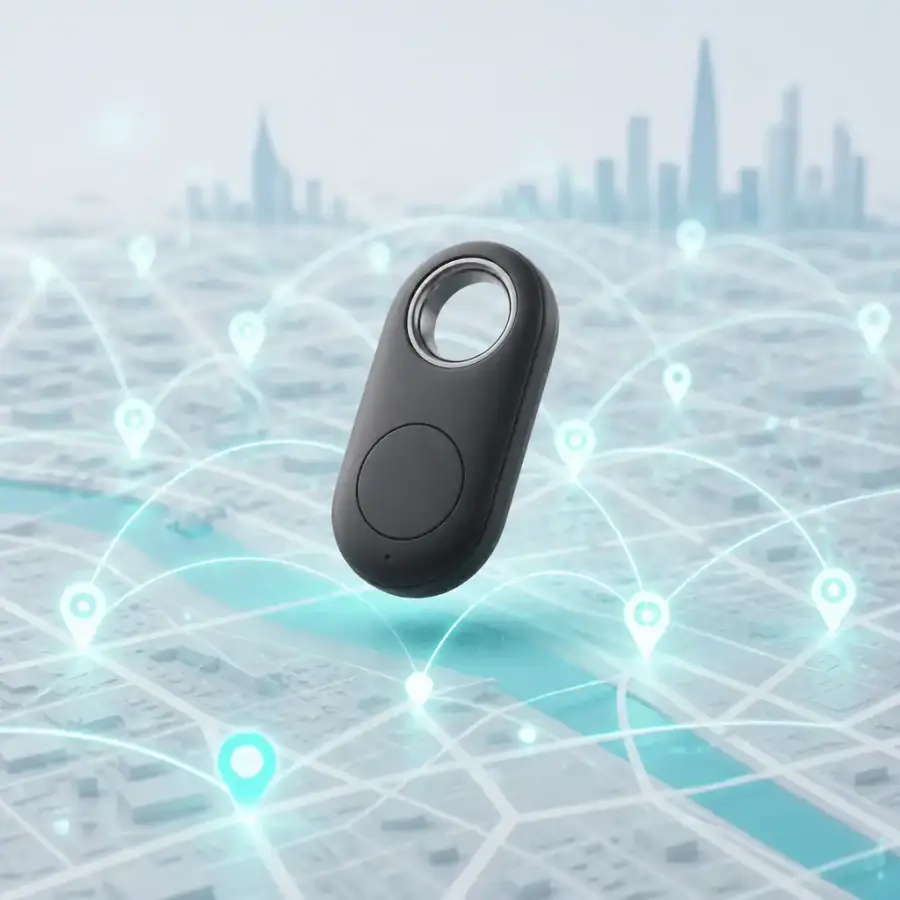
The truly perplexing aspect of the SmartTag3's launch, however, is its relationship—or lack thereof—with the broader Android ecosystem. While it now works with iPhones, the SmartTag3 steadfastly refuses to integrate with Google's Android Find Hub network, a network designed to offer seamless tracking across various Android devices, as 9to5Google highlights. This means that while a Galaxy phone user will get the full SmartTag3 experience, and an iPhone user can track their items, a Pixel or other non-Galaxy Android user is left out in the cold when it comes to the SmartTag3's full capabilities, as Android Police notes.
This decision underscores Samsung's unwavering commitment to its own ecosystem, even within the Android world. By not joining Google's unified Find Hub, Samsung is effectively maintaining its own walled garden, ensuring that certain advanced features, such as Compass View, are exclusive to certain Galaxy devices, not universally available even on all Galaxy models, according to Sammyguru. While this might seem counterintuitive in a market striving for universal connectivity, it allows Samsung to differentiate its premium experience for its loyal Galaxy customers. It’s a strategy that prioritizes maintaining a distinct ecosystem identity and control over user data and functionality, rather than simply contributing to a generic Android standard. This approach highlights Samsung's enduring ambition to not just be a hardware provider, but an ecosystem architect, even if it means fragmenting the Android user experience for basic utilities like item tracking.
Who Wins and Who Loses?
The SmartTag3's strategic compatibility choices create clear winners and losers. iPhone users gain a new option in the item tracker space, benefiting from Samsung's hardware and network, albeit with some limitations like the absence of Compass View. This provides them with more choice beyond the Apple AirTag. Galaxy users remain the primary beneficiaries, receiving the most complete and integrated experience, including unique features that are exclusive to their devices. For them, the SmartTag3 is a seamless extension of their Samsung ecosystem.
However, other Android users, particularly those with devices outside the Galaxy family like the Pixel or OnePlus phones, are undoubtedly the losers in this scenario. Despite being part of the wider Android family, they are denied the full utility of the SmartTag3, pushed towards Google's own Pixel Tag, which integrates with the Android Find Hub, as seen on the Google Store and Google's blog. This fragmentation could lead to confusion for consumers, who might reasonably expect an Android-branded device to work universally across the platform.
Ultimately, the Galaxy SmartTag3 represents a fascinating, if somewhat contradictory, strategic gamble by Samsung. It aims to directly challenge Apple in a key accessory category by offering cross-platform support, while simultaneously reinforcing the value proposition of its own Galaxy ecosystem by restricting advanced features and wider Android compatibility. Whether this dual approach will yield significant gains or merely complicate the landscape for consumers remains to be seen, but it certainly makes the choice of an item tracker more nuanced than ever before.
No topics yet: start the first one.
More stories
RAM Crisis and AI: The End of Affordable Mid-Range Android?
Rising RAM costs, exacerbated by AI demands, are forcing general smartphone price increases, fundamentally challenging the value proposition of mid-range Android devices and making essential technology less accessible for many.