One UI 9's 'Access Denied' Error: A Stability Wake-Up Call for Samsung
The recent rollout of Samsung's One UI 9 update has left some Galaxy users, particularly on the A57, grappling with critical 'Access Denied' errors, underscoring the vital need for stringent software testing to safeguard user trust.
AI-generated image
The rollout of a major software update should be a moment of anticipation, bringing new features and improvements to our devices. For some Samsung Galaxy users, however, the arrival of One UI 9 has been anything but smooth, with reports emerging of a frustrating and critical "Access Denied" error that is rendering their phones unusable.
This isn't a minor glitch; it's a roadblock preventing users from even accessing their home screens, forcing them into troubleshooting mode just to regain basic functionality. The core issue appears to be an XML error displaying an "Access Denied" message, specifically affecting devices like the Galaxy A57 after installing the new firmware, particularly version BZIE in European markets. This widespread disruption, just hours after the update, raises serious questions about the robustness of pre-release testing.
The Cost of a Bumpy Launch: Beyond the Frustration
While workarounds involving a forced restart and booting into Safe Mode have been shared across user communities on platforms like Reddit and Samsung's own forums, the very need for such immediate, manual intervention speaks volumes. Users are advised to hold the volume-down and power buttons simultaneously, then navigate to Safe Mode, or even try disabling Wi-Fi, mobile data, and removing their SIM card. This isn't the seamless, improved experience users expect from a global technology leader. The immediate impact is obvious: lost productivity, a sense of insecurity, and the time-consuming process of troubleshooting a device that should simply work. For many, a smartphone is a critical tool, and its sudden incapacitation, even temporary, can have real-world consequences.
A Pattern of Instability Threatens Trust
This isn't the first time Samsung's One UI updates have faced scrutiny. Past iterations have seen reports of issues ranging from problematic themed icons to notification inconsistencies, and even earlier in the One UI 9 cycle, there were mentions of display errors, issues with saving photos, and awkward gestures needing correction. Samsung itself reportedly delayed the widespread launch of the stable One UI 9 for the Galaxy S26 series, a move that in hindsight might have been aimed at preventing larger-scale issues, yet seemingly didn't fully avert them for other models. While the company has not confirmed the cause of the current "Access Denied" issue, or whether a server-side fix has been implemented, the cumulative effect of these reported problems could erode the crucial trust users place in the Galaxy ecosystem. When a brand promises a "stable" update, it sets an expectation of reliability that must be met.
The Imperative for Rigorous Software Quality Control
In an era where smartphones are increasingly central to our daily lives, from communication to mobile payments and health tracking, the stability of their operating system is paramount. The "Access Denied" fiasco serves as a stark reminder that robust and comprehensive software testing is not a luxury, but an absolute necessity. With a global user base spanning millions of devices and configurations, the margin for error is incredibly thin. Samsung, known for its hardware innovation, must ensure its software quality control processes are equally cutting-edge. The inconvenience of a system-level bug can quickly outweigh any new features or performance improvements, leading to negative sentiment that spreads rapidly across online communities, as seen on Android Authority and various Samsung forums.
Moving Forward: Restoring Confidence
For Samsung, the immediate priority must be to swiftly identify the root cause of the "Access Denied" error, provide a definitive fix, and communicate transparently with affected users. While temporary workarounds are helpful, they are not a substitute for a stable and reliable software experience. This incident should serve as a catalyst for an even greater emphasis on quality assurance in future One UI rollouts. Ultimately, maintaining a leading position in the competitive smartphone market depends not just on innovative hardware, but on an equally flawless software experience that fosters unwavering user confidence and loyalty.
No topics yet: start the first one.
More stories
Don't Settle: 5 Galaxy Settings to Unlock Your Phone's Hidden Power
Your new Samsung Galaxy hides its true potential behind conservative default settings. A few essential tweaks to navigation, power, display, audio, and notifications will deliver a vastly superior experience.
Samsung Wallet's USDC Move: A Quiet Revolution in Global Payments
By embedding USDC transfers directly into 82 million US Galaxy phones, Samsung isn't just adopting stablecoins; it's poised to fundamentally alter cross-border transactions and pressure the entire mobile payment ecosystem.

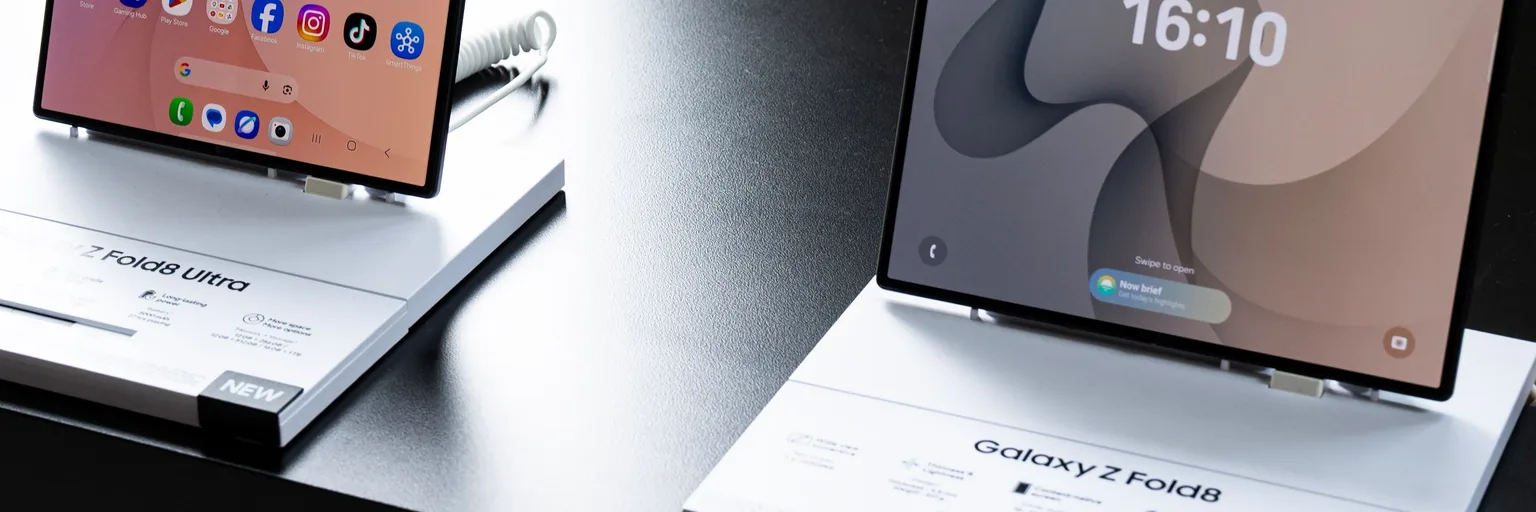
Samsung's Foldable Blitz: Is the Galaxy Z Fold 8 the Tipping Point?
With the Galaxy Z Fold 8 lineup's July debut and aggressive promotions, Samsung is making a clear statement: foldables are here to stay, and the company intends to lead the charge, broadening their appeal beyond early adopters.
Samsung's Mid-Range Update Strategy: Planned Obsolescence or Practical Support?
Samsung has ended software support for the Galaxy A04s and A23 5G, pushing users toward an upgrade cycle that raises concerns about device longevity and the environmental impact of budget-friendly smartphones.