Smartphone Market Plummets: More Than Just a Chip Shortage
The dramatic 20% decline in Q3 2026 smartphone shipments is not merely a temporary blip; it signals a fundamental market reset driven by economic realities and evolving consumer habits.
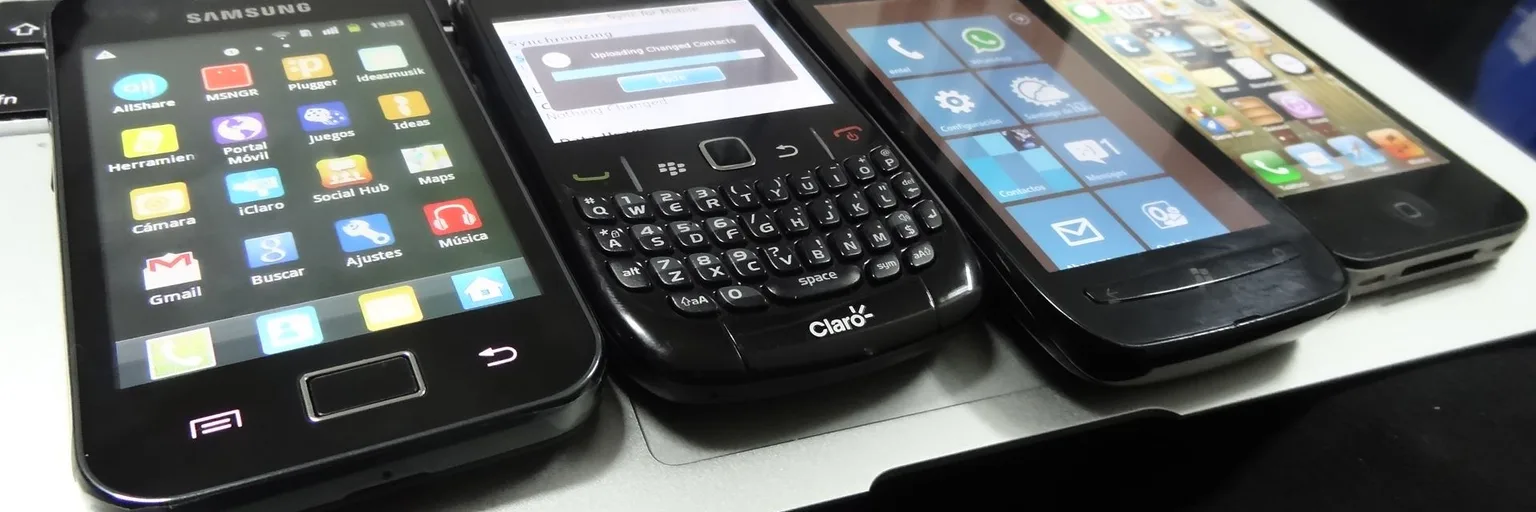
Photo: Océanos y dados / Wikimedia Commons (CC0)
The smartphone market just experienced its lowest Q3 level in 14 years, with global shipments plunging a staggering 20% year-over-year in Q3 2026. Is this simply a temporary blip caused by component scarcity, or are we witnessing a more profound, structural reset in how consumers buy and use their mobile devices?
Preliminary estimates from Counterpoint Research reveal a stark picture: the entire industry is reeling from a confluence of factors. While the immediate culprit is often cited as a memory chip shortage, the true narrative is far more complex, weaving in economic pressures and evolving consumer behavior that manufacturers ignore at their peril.
The decline comes as memory chip costs—specifically for DRAM and NAND flash—have soared, largely due to intense demand from artificial intelligence infrastructure projects. This has directly impacted the bill of materials for smartphones, leading manufacturers to increase retail prices by approximately 20% globally so far in 2026, according to Counterpoint Research. This cost transfer has, in turn, reshaped consumer purchasing decisions, forcing a re-evaluation of what a new phone means in daily life.
The Costly Squeeze: From Chips to Wallets
The most direct impact of the memory shortage is, without doubt, the rising cost of devices. When fundamental components become more expensive, that burden inevitably falls to the consumer. This isn't just about premium flagships; even budget and mid-range devices have seen price hikes. For instance, SammyGuru notes that Samsung recently raised prices for its A-series phones by $20 to $70, and for the Galaxy S26, S26+, and S26 Ultra by $100, with the 1TB S26 Ultra seeing a $200 jump in the US. This kind of increase pushes many devices out of reach for price-sensitive segments, creating a challenging environment for brands that historically relied on volume.
Manufacturers like Xiaomi, OPPO, and Vivo, which have strong footholds in these segments, felt the squeeze acutely. Xiaomi's shipments dropped over 30%, pushing its market share down to 10%, while OPPO and Vivo also saw declines exceeding 20%. These companies have had to reconsider their product portfolios, cut exposure to lower-priced devices, and even consolidate operations to protect margins, illustrating how deeply the component crisis is reshaping business strategies.
The Consumer's New Calculus: Value Over Volume
While supply-side pressures are undeniable, the demand side is equally critical. Consumers are making different choices, extending their device replacement cycles, considering refurbished alternatives, and prioritizing higher-value devices. As Counterpoint Senior Analyst Shilpi Jain observed, "Consumers are holding on to their devices longer than estimated, increasingly considering refurbished devices and prioritizing higher-value devices." This behavior directly impacts manufacturers, particularly those in the entry-level and midrange segments that depend on high shipment volumes. The shift underscores a growing consumer awareness of device longevity and overall value, rather than a simple desire for the newest model.
This trend is widening the gap between premium and price-sensitive segments. While higher prices put immense pressure on affordable smartphones, demand for premium devices has remained comparatively resilient. Consumers who do choose to upgrade are more likely to invest in a device they expect to keep for longer, which often means opting for a higher-end model.
Who Wins and Who Loses in a Contracting Market?
In this challenging landscape, market leaders like Samsung and Apple have demonstrated a surprising resilience, even as their own shipments saw year-over-year declines. Samsung retained its position as the world's largest smartphone manufacturer in Q3 2026, capturing 23% of global shipments despite a 3% decline in its own volume. The company benefited from strong demand for its Galaxy Z Fold8 series and relatively stable component supplies for its midrange Galaxy A series in emerging markets. Its performance suggests that access to components and a product mix weighted toward higher-value devices are crucial for navigating a contracting market.
Apple, meanwhile, reached a 22% market share, surpassing 20% for the first time in a third quarter. Despite a decline in shipments, strong initial demand for its iPhone 18 Pro models, particularly in China and India, and continued interest in the iPhone 17 series helped cushion the impact. Both Samsung and Apple have successfully prioritized profitability and premium offerings, proving that a focus on higher-margin products can sustain market position even amid an industry downturn.
Chinese manufacturers, on the other hand, experienced steeper contractions. Xiaomi, OPPO, and Vivo all saw significant shipment declines, forcing them to adjust their strategies, consolidate operations, and even reduce exposure to certain lower-priced markets to protect margins. For them, the simple equation of volume-driven growth is becoming unsustainable under current market conditions.
A New Era of Scarcity and Strategy
The 20% drop in Q3 2026 smartphone shipments is more than a statistic; it is a clear indicator that the industry is undergoing a fundamental realignment. The confluence of memory shortages, AI infrastructure demand driving up component costs, and a discernible shift in consumer purchasing behavior toward longer retention and higher value means that the days of unchecked volume growth may be over. Manufacturers are being forced to adapt, prioritizing profitability, optimizing supply chains, and meticulously curating product portfolios. For consumers, this likely means higher prices across the board, but potentially also a greater emphasis on durability, features, and long-term value from their chosen devices. The market conditions are expected to remain challenging for the rest of 2026, suggesting that this "reset" is not a fleeting trend, but rather the new normal.
No topics yet: start the first one.
More stories
Coolpad's 6.3-inch Challenger: A Bold Bet on Budget Screens
Coolpad is re-entering the budget smartphone arena with an upcoming 6.3-inch device, potentially disrupting conventional display trends with a focus on affordability and a unique 'wide-screen' experience.

Bloatware Bust: iPhone Flips the Script on Android's Openness Myth
A surprising new study reveals iPhones offer users vastly more control over pre-installed apps than leading Android devices, directly challenging long-held privacy perceptions.
Nothing OS 5.0 and Android 17: Software's Last Stand for Distinctiveness
With over 80 new features for the Phone (3), Nothing OS 5.0 aims to prove that thoughtful software design and a unique aesthetic can still be a powerful differentiator in a crowded Android market.

Android's Hidden Guardians: Why Crucial Security Settings Remain Dormant by Default
Despite Android offering robust defenses against theft and data loss, many vital security features are not active out of the box, leaving users unknowingly exposed.