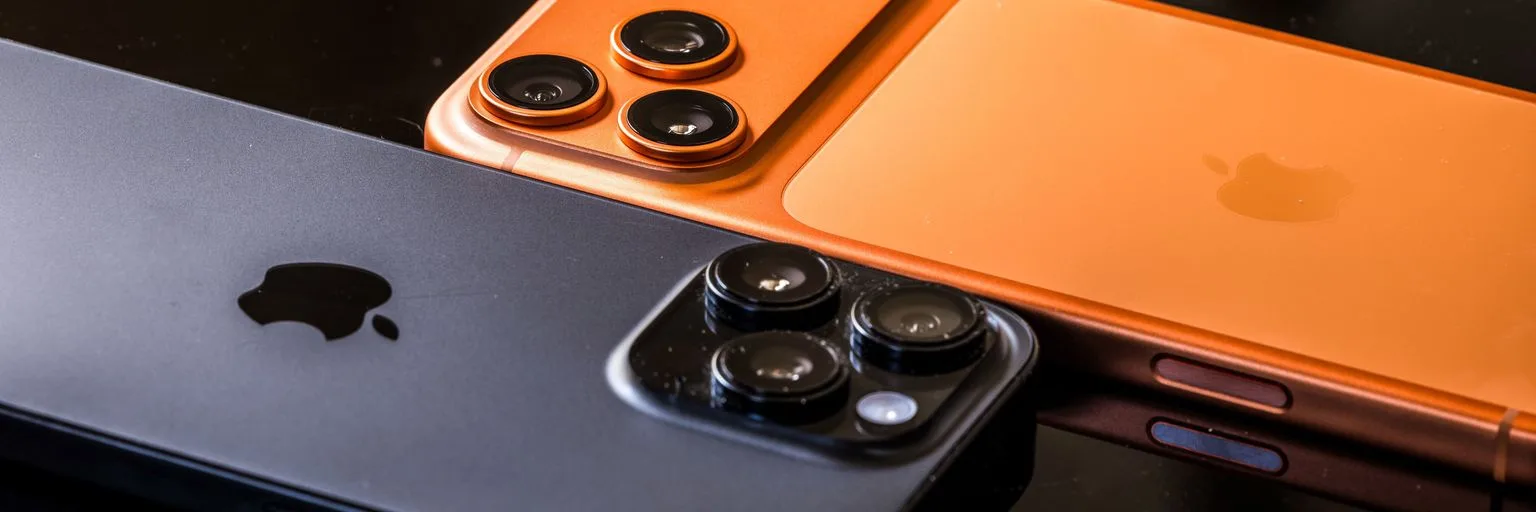
iPhone 18 Pro Order Cuts: Apple's Pricing Strategy Faces Reality Check
Apple's decision to slash iPhone 18 Pro and Pro Max component orders suggests a growing consumer resistance to escalating premium smartphone prices, compelling the tech giant to re-examine its market approach.
Photo: Kyu3a / Wikimedia Commons (CC BY-SA 4.0)
Has Apple finally pushed its premium pricing strategy too far? Just weeks after their launch, reports indicate that Apple has significantly cut component orders for the iPhone 18 Pro and iPhone 18 Pro Max, signaling a potentially cooler reception from consumers than anticipated. This move, which suppliers are quick to blame on higher prices, suggests a critical moment for Apple as it navigates the delicate balance between innovation, cost, and consumer willingness to pay.
First hitting shelves on September 18, the iPhone 18 Pro and iPhone 18 Pro Max launched with a starting price of $1,199 and $1,299 respectively. This represents a $100 increase over their predecessors. According to Nikkei Asia, Apple has instructed some suppliers to reduce production for these newly released Pro models due to soft demand, attributing this dip to the higher price tags necessitated by soaring memory chip costs.
The Price Sensitivity Threshold for Premium Devices
It appears consumers might be reaching a breaking point with premium smartphone pricing. The $100 price hike for the iPhone 18 Pro and Pro Max models is not an isolated incident. Apple had already increased prices on other models, including the iPhone 16, iPhone 17, iPhone 17e, and iPhone Ai, with some models seeing increases of up to 150 euros. Even MacBooks and iPads have experienced price adjustments. Apple has officially attributed these increases to the rising cost of AI-driven memory chips, a factor that impacts the entire industry. However, the consequence for the iPhone 18 Pro lineup is clear: component orders for October have been cut by at least 15% compared to initial requests, as reported by MacRumors. This substantial reduction, occurring so soon after launch, implies that the higher cost is indeed a significant barrier for many potential buyers, making us wonder if the value proposition, despite the Pro moniker, is no longer compelling enough at this elevated price point.
More Than Just Price: A Question of Timing and Strategy
While price is undeniably a major factor, some analysts suggest that Apple's altered launch schedule might also be contributing to the softer demand. Historically, Apple has unveiled its full flagship iPhone series at once. However, this year, the standard iPhone 18, along with the lower-cost iPhone 18e and the ultra-thin iPhone Air 2, are reportedly expected to launch in the spring of 2027 as part of a split strategy. This could mean that a segment of consumers is simply holding off for these cheaper options, or waiting for a more complete lineup to be available before making a purchase decision. It's a risk Apple takes by concentrating its initial releases in the high-end segment, leaving potential buyers of more accessible models in limbo. Furthermore, while the iPhone 18 Pro models feature 12GB of RAM—the same as last year's iPhone 17 Pro—a rumor had suggested Apple originally planned for 16GB of RAM. If cost pressures indeed led to this decision, it further illustrates the tightrope Apple walks between offering cutting-edge features and managing prices, potentially impacting perceived value.
The Profitability Tightrope Walk
For Apple, these order cuts introduce a complex financial challenge. While increasing prices can boost the average selling price and, in turn, revenue per unit, persistent order reductions could ultimately put pressure on overall iPhone revenue and shipments. According to TradingKey, profitability will hinge on whether the higher average selling prices and any product mix adjustments can effectively offset a potential decline in sales volume and the ever-present rising component costs. Apple's company-wide gross margin did rise from 46.5% in the June 2025 quarter to 50.1% in the June 2026 quarter, though tariff refunds accounted for about 2 percentage points of this gain. However, these figures predate the iPhone 18 Pro launch, making the impact of the current pricing strategy on future earnings a key area for investors to monitor. It's a delicate balance: innovate, increase prices to cover costs, but risk alienating a significant portion of your loyal customer base if the perceived value doesn't keep pace.
The Verdict: A Wake-Up Call for Cupertino?
The reported order cuts for the iPhone 18 Pro and Pro Max serve as a significant signal, if not a direct warning, to Apple. While it's premature to confirm a full-year decline in sales, the immediate reaction just weeks after launch suggests that even the most loyal Apple customers have their limits when it comes to pricing. This moment forces Apple to confront a critical question: is the allure of the 'Pro' moniker, coupled with incremental improvements, enough to justify increasingly steep price tags in an economic climate where every dollar counts? We believe this could be a wake-up call, prompting Apple to carefully re-evaluate its future pricing and launch strategies. For consumers, this news doesn't guarantee immediate discounts, but it underscores a collective pushback against endless price escalation, potentially paving the way for more competitively priced options or more significant generational leaps in the future. Those with an older iPhone might still find value in upgrading to an 18 Pro, but recent Pro owners should weigh the upgrade very carefully, considering if the increased cost truly justifies the features they will use, especially with a $100 premium over previous models.
No topics yet: start the first one.
More stories
iPhone Duo: Apple's Pricey Foldable Redefines UX, But With Compromises
Apple's long-awaited foldable brings a remarkably subtle crease and refined iOS adaptations, yet its high price and feature trade-offs spark debate on its true value and market position.
iPhone Air 2: Apple's Thin Obsession Meets Its Battery Nemesis
Leaked details about the iPhone Air 2 reveal Apple's ambitious pursuit of an ultra-thin design while also boosting battery capacity, a balancing act that challenges engineering limits.

iOS 27.2 Beta 3: Apple's Quiet Preparation for a Major Hardware Shift
Apple's latest iOS 27.2 Beta 3 update, light on immediate user features, strategically lays groundwork for upcoming devices like the iPhone Duo and a broader ecosystem evolution.

iPhone 18 Pro's Variable Aperture: Is Apple Truly Innovating?
The iPhone 18 Pro brings variable aperture to a mainstream audience, yet Android rivals have offered this pro camera feature for years, highlighting Apple's strategy of refining existing tech rather than always pioneering it.