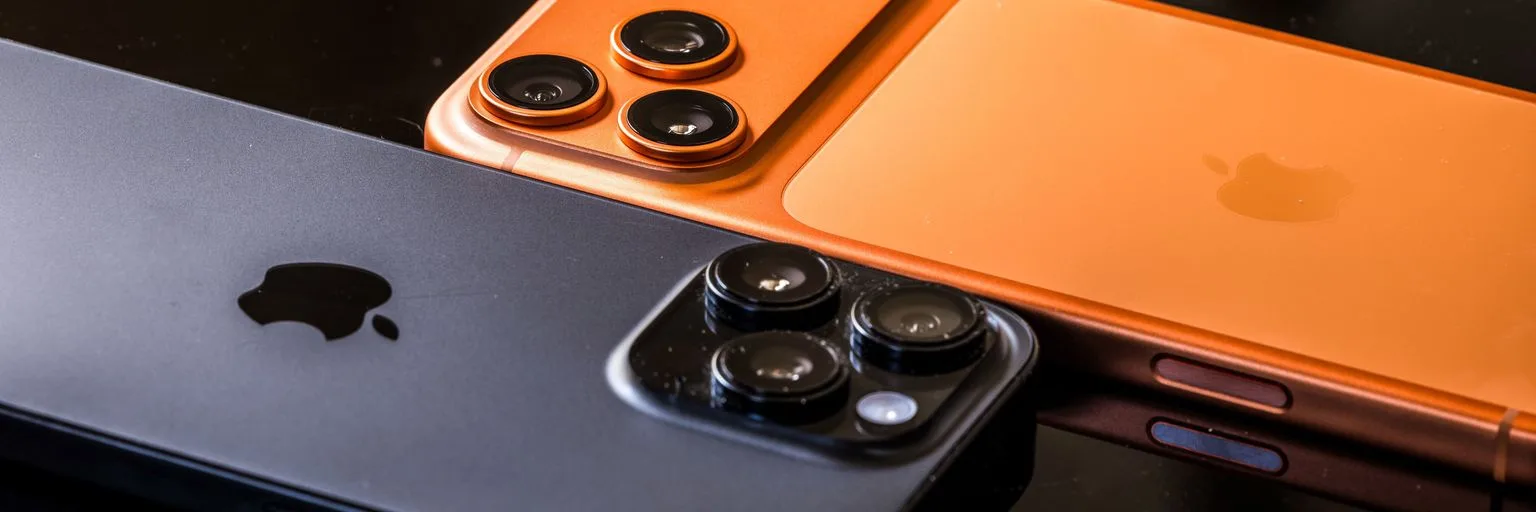
iPhone Duo: Apple's Pricey Foldable Redefines UX, But With Compromises
Apple's long-awaited foldable brings a remarkably subtle crease and refined iOS adaptations, yet its high price and feature trade-offs spark debate on its true value and market position.
Photo: Wikideas1 / Wikimedia Commons (CC0)
Apple's long-anticipated entry into the foldable smartphone arena with the iPhone Duo is finally here, raising a crucial question: does it deliver a groundbreaking experience worthy of its historic price, or is Apple merely playing catch-up in a segment it once seemed to ignore? The tech giant officially unveiled its first foldable on September 9, 2026, with the device launching on October 23. This debut comes with a substantial price tag, starting at $1,999 in the United States and €2,339 in France for the base model, making it one of the most premium devices on the market. Apple showcased its unique take on the foldable form factor to journalists and reviewers in initial hands-on demonstrations.
The Crease Conundrum: Solved or Just Hidden?
One of the most critical aspects of any foldable phone is the display, particularly the dreaded crease. Early impressions of the iPhone Duo indicate that Apple has made significant strides here. While the crease remains visible under certain angles, several journalists and reviewers, including those from MacRumors and Gizmodo, report it to be "much less annoying to the touch" and "almost imperceptible to the finger". Numerama even described it as "almost invisible" in their hands-on, though noting it might appear under specific lighting. This impressive reduction in visibility and tactile presence is largely attributed to a nano-textured polymer layer that reduces reflections and contributes to a "paper-like" visual appearance, a striking departure from the often-plastic feel of other foldables. In our view, Apple has tackled the crease more effectively than many competitors, prioritizing the user's tactile experience over absolute visual disappearance.
iOS Reimagined: More Than Just a Bigger Screen
The true differentiator for the iPhone Duo appears to be its software experience. Apple didn't just put iOS on a foldable screen; it fundamentally rethought the interface. Reviewers like Tom's Guide spoke of an "almost magic" experience, with fluid animations that make the interface seem to deploy naturally as the device opens. The system intelligently adapts, with features like the Dock migrating to the right side when unfolded for easier thumb access. Multitasking, a cornerstone of foldable utility, seems far more natural, allowing two applications to run simultaneously with intelligent command repositioning. While extensive long-term testing is still needed to confirm its superiority over other foldable interfaces, early demonstrations suggest Apple has invested heavily in making the large 7.6-inch interior screen genuinely productive and intuitive, rather than just expansive.
The Cost of Innovation: Missing Features and a Premium Price
Despite its strengths, the iPhone Duo is not without its compromises, especially given its hefty price tag. Initial impressions highlight that the device is thicker and heavier than some competitors, such as the Galaxy Z Fold 8, which could impact one-handed use. Perhaps the most notable shift in user experience is the absence of Face ID, with authentication relying instead on Touch ID integrated into the side button. For many long-time iPhone users, this could feel like a step backward after years of facial recognition.
The camera system also presents a curious choice. While featuring two 48-megapixel sensors, the Duo lacks a dedicated optical zoom and advanced cinematic modes found on the iPhone 18 Pro, suggesting Apple is reserving its top-tier photography features for its traditional flagship line. This could be a significant drawback for a device in this price bracket. Furthermore, while Apple Pencil USB-C compatibility is announced, it was not available for testing in initial hands-on sessions and is expected later, indicating an incomplete feature set at launch. These decisions collectively temper the Duo's allure, making its nearly $2,000 price point a tough pill to swallow for some.
Who Is the iPhone Duo For?
The iPhone Duo, in our analysis, is a product of significant internal innovation for Apple, catching up on the physical foldable design while pushing ahead with a deeply integrated software experience. Its success in making the crease nearly imperceptible and its refined iOS adaptations are commendable. However, the compromises in weight, camera features, and the shift from Face ID, combined with its extremely high price, position it as a niche device.
For existing iPhone users who crave a larger screen for media consumption or productivity and are willing to pay a substantial premium for Apple's polished ecosystem, the Duo offers a compelling, albeit expensive, proposition. It's for those who want to bridge the gap between their iPhone and iPad with a single device. Yet, for users who already own both or prioritize maximum camera flexibility and a lighter build, the iPhone Duo's value becomes far less clear. It's a bold first step for Apple in the foldable market, but one that asks its customers to weigh unique software refinement against significant financial and functional trade-offs.
No topics yet: start the first one.
More stories
iPhone 18 Pro Order Cuts: Apple's Pricing Strategy Faces Reality Check
Apple's decision to slash iPhone 18 Pro and Pro Max component orders suggests a growing consumer resistance to escalating premium smartphone prices, compelling the tech giant to re-examine its market approach.
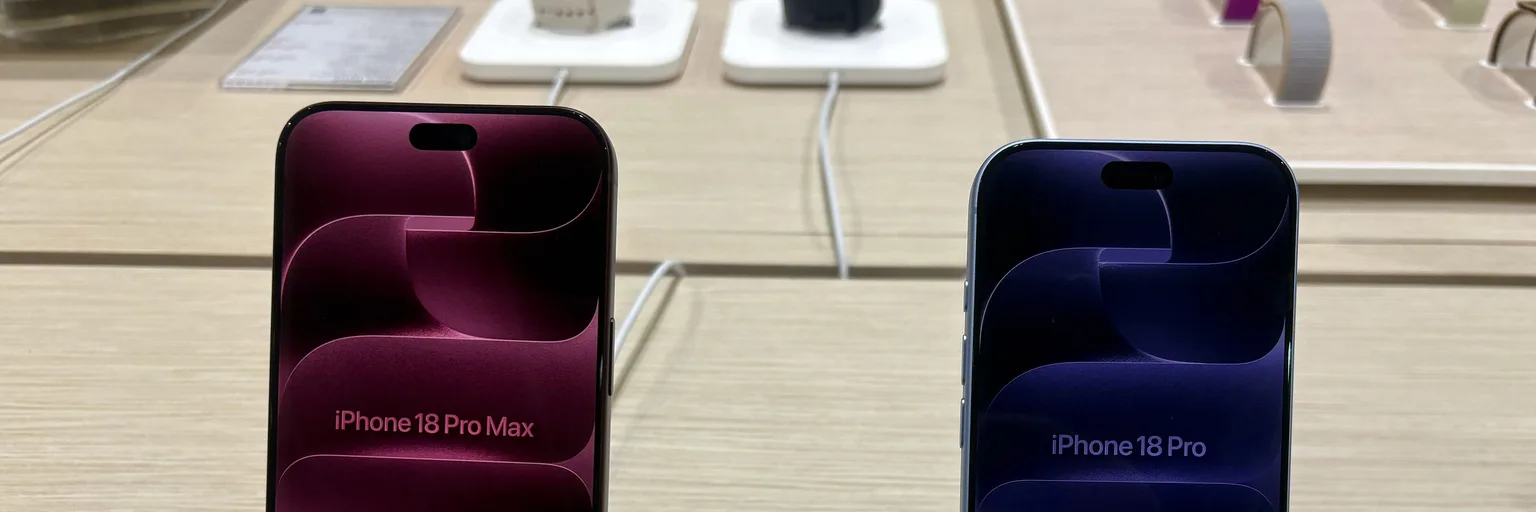
iPhone Air 2: Apple's Thin Obsession Meets Its Battery Nemesis
Leaked details about the iPhone Air 2 reveal Apple's ambitious pursuit of an ultra-thin design while also boosting battery capacity, a balancing act that challenges engineering limits.
iOS 27.2 Beta 3: Apple's Quiet Preparation for a Major Hardware Shift
Apple's latest iOS 27.2 Beta 3 update, light on immediate user features, strategically lays groundwork for upcoming devices like the iPhone Duo and a broader ecosystem evolution.

iPhone 18 Pro's Variable Aperture: Is Apple Truly Innovating?
The iPhone 18 Pro brings variable aperture to a mainstream audience, yet Android rivals have offered this pro camera feature for years, highlighting Apple's strategy of refining existing tech rather than always pioneering it.