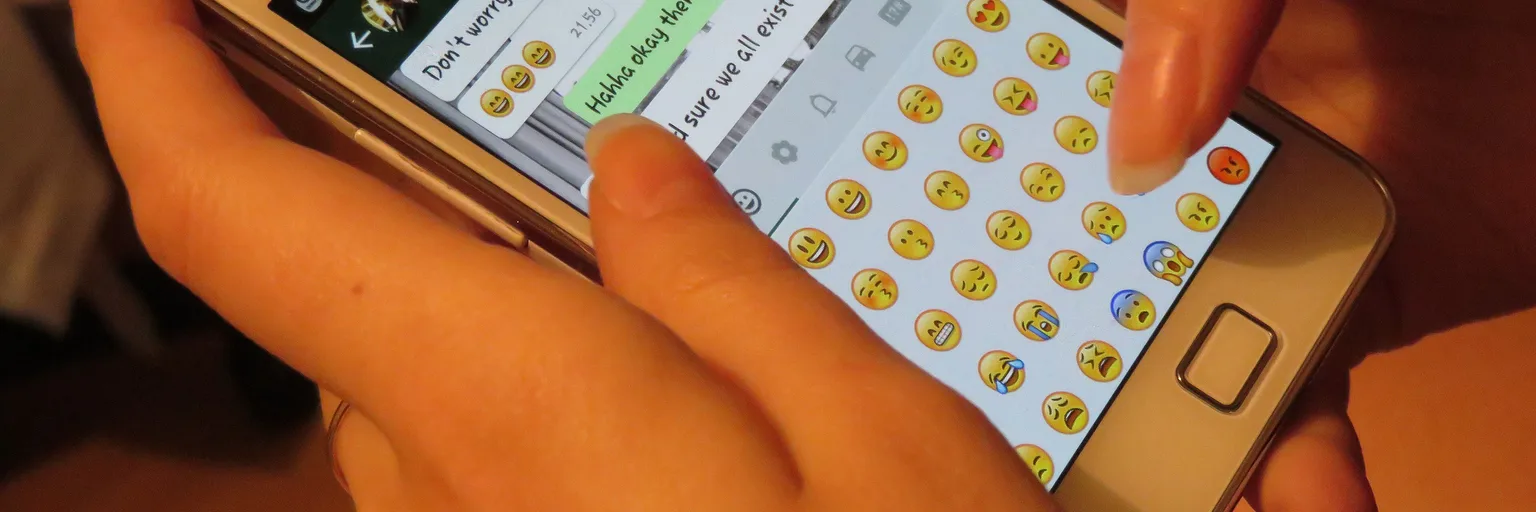
WhatsApp's own cloud backup is convenient, but the keys are the story
Freeing chats from Google Drive is a real win, but 2 GB free and tiers up to 4 TB make your history a Meta subscription. Encryption and key control decide the rest.
Photo: Helar Lukats / Wikimedia Commons (CC BY-SA 4.0)
Who should keep your oldest chats: Google, Apple or Meta? WhatsApp looks set to turn that into a real choice, and the least interesting part of the news is the free storage.
What is actually happening
According to GSMArena, citing WABetaInfo, WhatsApp started testing its own encrypted cloud backup on Android in April and extended testing to iOS in July. Some Android beta users (version 2.26.46.4) can now pick WhatsApp's cloud or Google Drive. The free tier is 2 GB. WhatsApp Plus gives 100 GB, and Meta One goes up to 4 TB.
Two details matter most. Encryption is mandatory on WhatsApp's cloud, while on Google Drive and iCloud it stays optional. And if the subscription isn't renewed, the backup is deleted permanently after four months. Protection can be a passkey, a password or a 64-digit key. This is still a beta, so details may change.
Mandatory encryption is the best part, and it is not enough
We think forcing end-to-end encryption by default is the right call. Optional security tends to stay switched off for people who never open a settings menu, and making encryption the only option on WhatsApp's servers removes that choice, and that failure mode, entirely. For a service with this many users, a safe default is worth more than a long list of features.
But "encrypted" is a promise, not a proof. What decides whether it is trustworthy is who can recover the key. A 64-digit key that only you hold is strong. A passkey or password that is easy to reset is more convenient, and convenience usually means someone else has a way back in. The documentation we have doesn't explain how recovery works, so we won't guess. Until WhatsApp publishes that in detail, treat the privacy claim as plausible, not verified.
Freeing yourself from Google, binding yourself to Meta
For Android users, dropping Drive means freeing up space in a Google account that also holds photos and email. That is a genuine, practical benefit. The 2 GB is also enough for people who mostly exchange text, as Pplware notes, but it gets tight if you keep years of media.
That is where the business model shows. Need more room? You move into WhatsApp Plus or Meta One. Your history stops being a file in a storage account you can swap and becomes a perk of a Meta subscription. Add the four-month deletion rule, and we see a real risk: let the subscription lapse and years of conversations could disappear. We would call that lock-in with a friendly face. It isn't a scandal, but it is leverage, and Meta now holds it.
There is a fair counterpoint. Google and Apple backups were never neutral either, and many people trusted them without thinking. A single provider handling both the app and its backup is simpler, with fewer places for things to break. If Meta gets recovery right, that simplicity could be the feature most people actually notice. The question is whether simplicity and control can coexist.
Our verdict
If you are on Android and your chats are mostly text, trying the 2 GB tier once it reaches you is reasonable, as long as you choose the 64-digit key or a strong password and store it somewhere safe. If you keep irreplaceable media, don't make the paid tier your only copy. Export what matters elsewhere. And before paying Meta for terabytes of history, wait for independent analysis of how keys and recovery really work. The storage is the easy part. The keys are what you're trusting.
No topics yet: start the first one.
More stories
Android's photo permission isn't consent, and Italy just priced that in
A €805M fine on Meta shows that tapping "allow" on a vague prompt isn't a real choice. Google and Meta should make gallery access visible and opt-in.

Hiding your WhatsApp number is overdue, but defaults will decide if it matters
WhatsApp usernames promise to keep your phone number private. The idea is right, but the real test is who gets protected by default and whether it holds up in groups.
"Don't click anything" is dead advice: patching is your real shield
A suspected Russia-linked campaign hit iPhones and Androids through ordinary websites, no clicks needed. Fully patched phones were safe, so vendors should patch for us.
WhatsApp's tappable text is handy, but your chat is becoming a launcher
Dotted-underline numbers, dates and addresses save a few taps. They may also point to Meta wanting the chat to be where things start, so we should ask what gets read.