Hiding your WhatsApp number is overdue, but defaults will decide if it matters
WhatsApp usernames promise to keep your phone number private. The idea is right, but the real test is who gets protected by default and whether it holds up in groups.
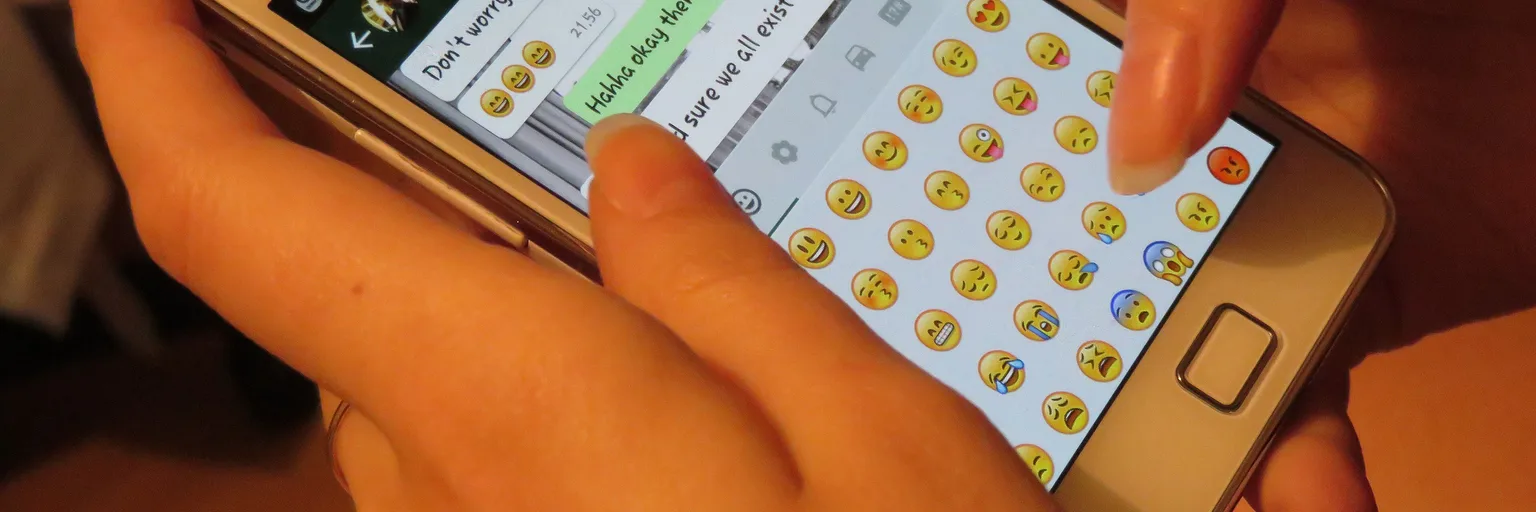
Photo: Helar Lukats / Wikimedia Commons (CC BY-SA 4.0)
For more than a decade, using WhatsApp has meant handing your phone number to anyone who asks. Your number is the key to your bank, your two-factor codes and your family. So why did we accept it as the price of admission to a chat app? The answer is probably that there was no alternative. Now there may be one.
WhatsApp opened username reservation on June 29, according to G1. That is described as the first step toward adding contacts without sharing a number. The latest wave of coverage points to a new privacy screen in development. According to a report from Tekimobile, citing WABetaInfo, it was found in Android beta 2.26.45.1. It would offer four levels: Everyone, My contacts, My contacts except…, and Nobody. It doesn't work yet, even for beta testers.
The idea is right, but a toggle isn't a policy
Let's be clear: separating your identity from your phone number is the correct design. A username lets you give a stranger a way to reach you without giving them something that works as a universal identifier. For anyone who sells on marketplaces, deals with clients, or shares a chat with someone they don't fully trust, that is a real change.
But features like this have a familiar weakness: most people never open the settings. If hiding your number requires you to find a menu, understand four options and choose one, the people who benefit will be the ones who already care about privacy. The people who most need protection often won't be among them. In our view, the best version of this feature is the one where your number is hidden from non-contacts unless you decide otherwise. We haven't seen the documentation confirm that default, so for now it's a wish rather than a fact.
Groups are where the promise gets tested
Most of our exposure on WhatsApp doesn't happen in one-to-one chats. It happens in groups: the neighborhood group, the school parents' group, the community with 200 strangers. That is where numbers get scraped and passed around. The material we reviewed doesn't say how hidden numbers will behave in groups, and we won't guess. But it's the question to ask. A privacy setting that protects you in private chats and then displays your number in every group you join solves only half the problem.
The four-level design is encouraging here. The "My contacts except…" option suggests that the company understands that privacy is rarely all or nothing. Whether that granularity extends to groups is still unknown.
What to do now
Don't wait for the feature to be perfect. Reserve your username while it's available. Also treat the beta findings as what they are: a work in progress. The report is based on code found in a test version, and features found that way sometimes change or never ship. A company-confirmed global rollout date isn't in the material we have, although one outlet, Botaihub, says Meta promises a global release in the coming months for its 3 billion users.
Our verdict: this is the most important privacy change WhatsApp could make, and it's welcome. But it will deserve applause only if the safe option is the one you get without touching anything, and if it keeps working when you walk into a group. Until WhatsApp shows both, keep your expectations high but your settings under review.
No topics yet: start the first one.
More stories
Android's photo permission isn't consent, and Italy just priced that in
A €805M fine on Meta shows that tapping "allow" on a vague prompt isn't a real choice. Google and Meta should make gallery access visible and opt-in.

"Don't click anything" is dead advice: patching is your real shield
A suspected Russia-linked campaign hit iPhones and Androids through ordinary websites, no clicks needed. Fully patched phones were safe, so vendors should patch for us.

WhatsApp's tappable text is handy, but your chat is becoming a launcher
Dotted-underline numbers, dates and addresses save a few taps. They may also point to Meta wanting the chat to be where things start, so we should ask what gets read.
Copilot's TV exit proves smart-screen AI is a rental, not a feature
Microsoft is reportedly pulling Copilot from Samsung and LG TVs on December 1, 2026. Anyone who counted AI as a reason to buy a screen just learned how revocable that promise is.