WhatsApp's scheduled messages are overdue, but 14 days is a lot of rope
Scheduling is the most overdue feature in WhatsApp's history, but a two-week window in group chats invites noise and awkward mistakes unless canceling is effortless.
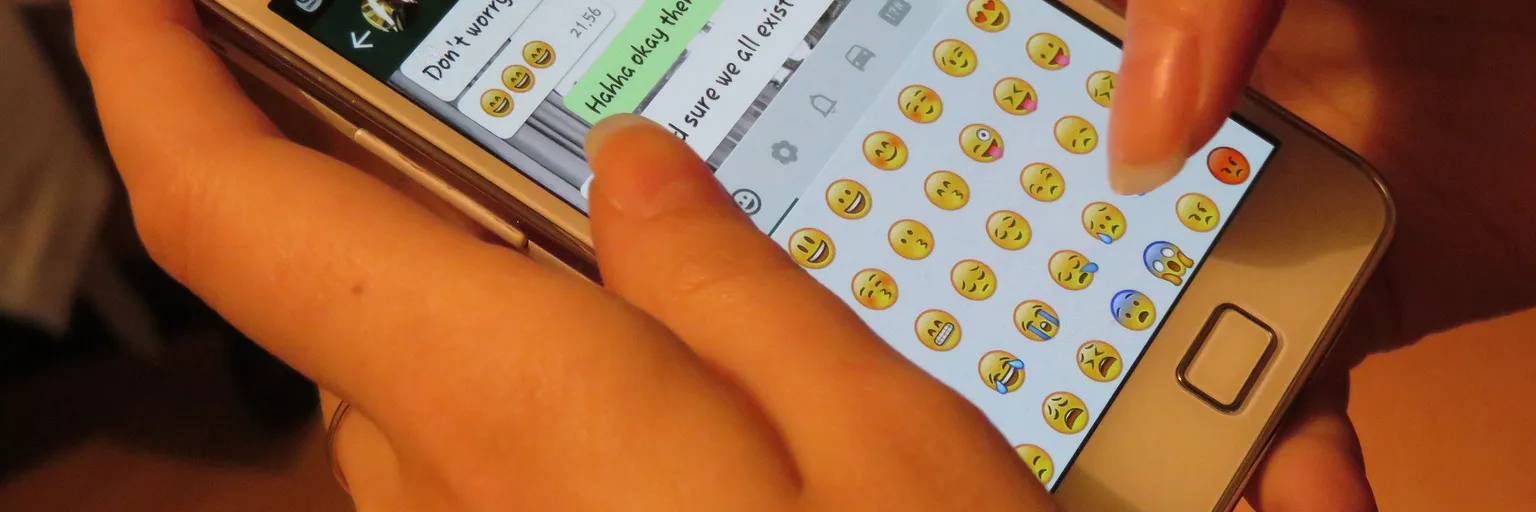
Photo: Helar Lukats / Wikimedia Commons (CC BY-SA 4.0)
What took so long? WhatsApp has about 3 billion users, and only now can any of them write a message at 11 p.m. and have it arrive at 8 a.m. like a polite adult. Better late than never. But we'd hold the applause on the two-week window.
What WhatsApp actually shipped
According to TechCrunch, the feature is rolling out globally on iOS and Android. You write a message, long-press the send button, and choose a time between 10 minutes and 14 days later. It works with text, photos and videos, in one-on-one and group chats.
The recipient sees nothing special. The Verge adds that you can see your queued messages and delete them, that they go out even if your phone is off or dead, and that they stay end-to-end encrypted. The rollout is gradual, so don't panic if you don't see it today.
Overdue is an understatement
Android Authority notes that Google Messages, Signal and Telegram have offered this for a while. Engadget points out that Instagram has had it since 2024. WhatsApp is Meta's flagship chat app, and it's the last one to the party.
The use cases are real and mundane, which is why it matters. A birthday greeting at midnight in someone else's time zone. A good-luck note before an interview. A message that doesn't wake up a colleague three time zones away. In our view, this is the kind of small feature that changes habits more than any flashy AI sticker generator.
Fourteen days is where the trouble starts
Ten minutes is a sensible floor. Fourteen days is the part we'd question. A message you write now and forget about for two weeks is a message that may no longer make sense when it lands. Plans change, people change their minds, and news arrives. Group chats make it worse, because the damage is public: a "see you Saturday!" fires into a chat of 40 people after the event was canceled.
There's also the noise problem. We expect some people to pre-load a stack of reminders, "good morning" posts and chain-style greetings across several days. The recipient can't tell they're automated, so the group gets a steady drip of messages from someone who isn't really there. Nothing in the documentation suggests that's a bug. It's just what happens when the cost of sending drops to zero.
The real test: how easy it is to take back
The documentation gives us only half of the control story. You can view and delete scheduled messages. That's the essential part, and it's good. But TechCrunch says plainly that it's not clear whether you can edit the schedule of a message. If you can't, fixing a wrong time means deleting and rewriting, which is tolerable for a short text and tedious for a photo with a caption.
So here's what we'll be watching as the feature reaches phones:
- Is the queue easy to find, or buried in a menu?
- Can you change the time without starting over?
- Is there any reminder that something is about to go out into a group?
We'd argue a gentle heads-up before a group send is the single best safeguard Meta could add. We don't know if it plans to, and nothing we've seen says it does.
Our verdict
Use it, and use it sparingly. For birthdays, time zones and "I'll be offline while traveling," it's a clear win. For anything tied to plans, money or other people's feelings, keep your scheduling horizon short, and double-check the queue before you rely on it. Treat 14 days as a ceiling, not a target. And for groups, when in doubt, send it live.
No topics yet: start the first one.
More stories
WhatsApp's travel eSIM is handy, but it makes a chat app a carrier shop
Buying data inside WhatsApp could end roaming shock, but it turns a messenger into a telecom middleman. Compare prices and know who handles your support.
WhatsApp's sound stickers are fun, but your group chats just got louder
Sound stickers fit Brazil's sticker culture perfectly, but they're also an engagement play. The mute controls exist; we think silent by default should be next.
View-once texts on iPhone: privacy theater if WhatsApp won't say what it can't stop
View-once text messages are reaching WhatsApp on iPhone. They're a handy nudge toward better habits, but they only protect you from the person you chose to trust.

Signal's screenshot block is a protest dressed up as a privacy feature
Signal now blocks screenshots to keep Siri AI and Gemini out of your chats. It's a clever stopgap, but it exposes a bigger failure: phone operating systems offer no clean way to opt out.