The memory crisis is now your problem: plan your next phone before 2027
Phone makers are cutting 2027 targets because AI servers are eating the memory supply. Expect pricier phones, fewer cheap options and a market that favors the big players.
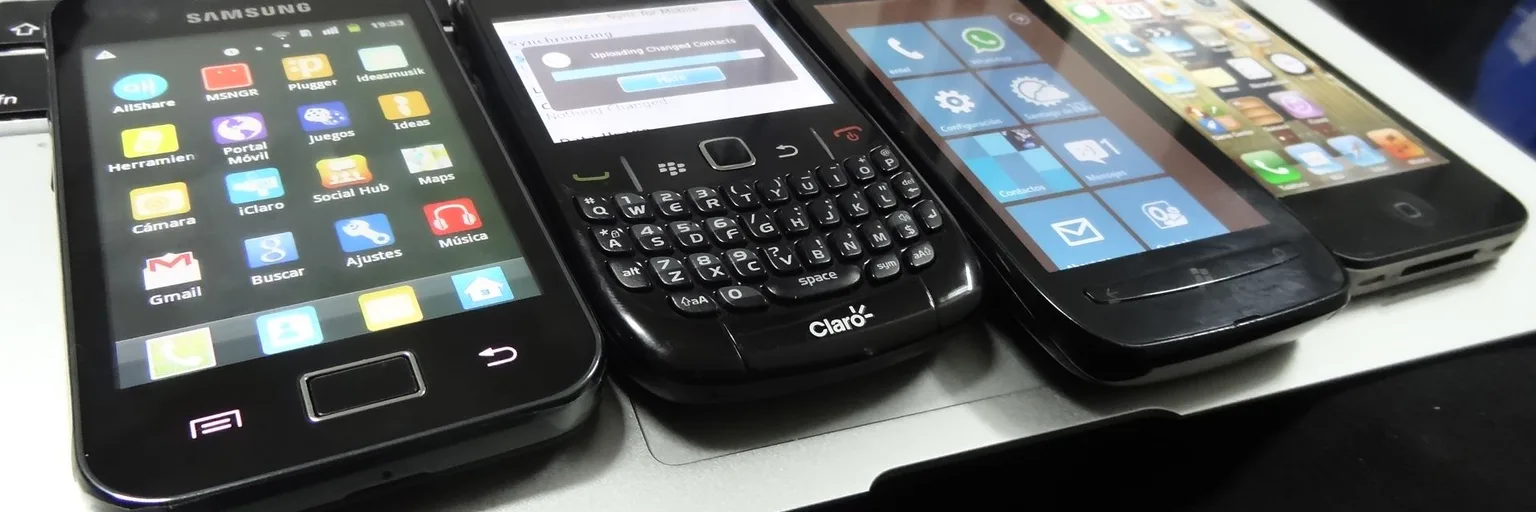
Photo: Raimond Spekking / Wikimedia Commons (CC BY-SA 4.0)
What if the next phone you buy is the cheapest one you'll see for years? That's not a sales pitch. It's the uncomfortable reading of this week's news: almost every big phone maker is lowering its expectations for 2027, and the reason isn't weak demand for good phones. It's that memory chips are going to AI servers first.
What the reports say
According to a Chinese media report published on November 25, 2026, Apple, Samsung, Xiaomi, Oppo and Vivo have lowered their 2027 shipment targets because of rising memory chip prices. This is a leak based on supply-chain sources, not an official announcement, so treat the numbers with some caution. One outlet citing Business Standard puts Apple at about 220M units, down from 233M, and Samsung at 210M, down from 232M. Other coverage says Vivo is cutting 29% and Xiaomi 25%, and that Honor is the only major brand holding steady.
Counterpoint Research's forecast, as MacDailyNews summarizes it, points the same way. It sees global shipments falling 13.9% in 2026 to roughly 1.08 billion units, then another 6% in 2027. Its principal analyst Yang Wang says the 2026 decline was initially expected to be the low point of the cycle, but the memory situation has stayed more restrictive than anticipated.
The industry is paying for an AI bet it didn't place
Phone makers have been counting on on-device AI as a way to stand out. Meanwhile, the AI industry is building at a scale that, according to Counterpoint, keeps pulling memory allocation toward higher-margin AI and server demand. In our view, that's the irony of the year: the AI boom is helping to make phones more expensive and less varied.
It's also not a symmetrical crisis. Counterpoint expects Apple's shipments to fall 4% in 2027 and Samsung's 3%, far better than the overall market. For Apple it points to premium positioning, financing, ecosystem loyalty and priority status with suppliers; for Samsung, its internal component capabilities and broad portfolio. Chinese brands are more exposed because of the contraction in sub-$200 devices and price-sensitive markets. Size buys you memory, and memory buys you a market.
Fewer choices will hurt the cheap end first
Counterpoint says vendors have already responded by raising prices, cutting lower-memory configurations, withdrawing low-margin models and focusing on fewer products. If you buy phones under $200, that's your corner of the market shrinking. Counterpoint also says some low-end demand has been permanently lost, and that industry consolidation is expected to accelerate, with smaller vendors and marginal product lines most at risk.
We think the consequence is a two-speed market. Premium buyers will pay more and barely notice a shortage. Everyone else will probably keep phones longer, buy refurbished or settle for a spec sheet that feels a generation behind. Counterpoint itself mentions longer replacement cycles and greater use of refurbished devices as lasting effects.
What to do now
Don't panic-buy, but don't wait for a miracle either. Counterpoint's forecast has a 6% rebound in 2028, which would still leave the market roughly 14% below 2025. That's a forecast, not a promise, and it doesn't say prices will fall back. In fact, it expects handset costs and retail price floors to stay elevated through 2027.
Our advice:
- If your phone is on its last legs, buy in the coming months. Higher costs are still moving through handset portfolios and retail channels, and waiting looks like the riskier bet.
- If you are shopping for a mid-range model, think twice before saving on RAM and storage. With vendors trimming memory configurations, the cheapest variant may age the worst.
- If your phone still works well, keep it. Longer cycles are exactly where this market is heading.
- If you're loyal to a small brand, check how long it can keep releasing updates and models in a consolidating market.
The verdict: this isn't a normal downturn that fixes itself with a discount season. It's a reallocation of a scarce component toward a more profitable customer, and phone buyers are the ones who got moved down the list. Plan your upgrade accordingly.
No topics yet: start the first one.
More stories
ChatGPT wants your SMS and your screen: demand clear rules first
Code in ChatGPT's Android app hints at calls, texts and screen reading. It's useful, but it moves OpenAI into the phone's core, so permissions and limits must be explicit.

Android's record-low Q3 share shows the RAM crisis picks winners
Android fell to 74% while iOS and HarmonyOS gained. The memory shortage punishes the cheap end of the market, and Apple's pricing power turns that scarcity into share.
Huawei fights the crease, Apple hides it: only one bet can travel
The Mate X8's magnetic hinge is a bolder answer than the iPhone Duo's camouflage, but unproven durability and a China-only launch limit who can actually benefit.

3D emojis shouldn't need 6 GB of RAM: Google's Android 17 gate
Android 17 reportedly ties its new 3D emojis to 128 GB of storage and 6 GB of RAM. Unless Google shows a technical reason, that's segmentation, not engineering.