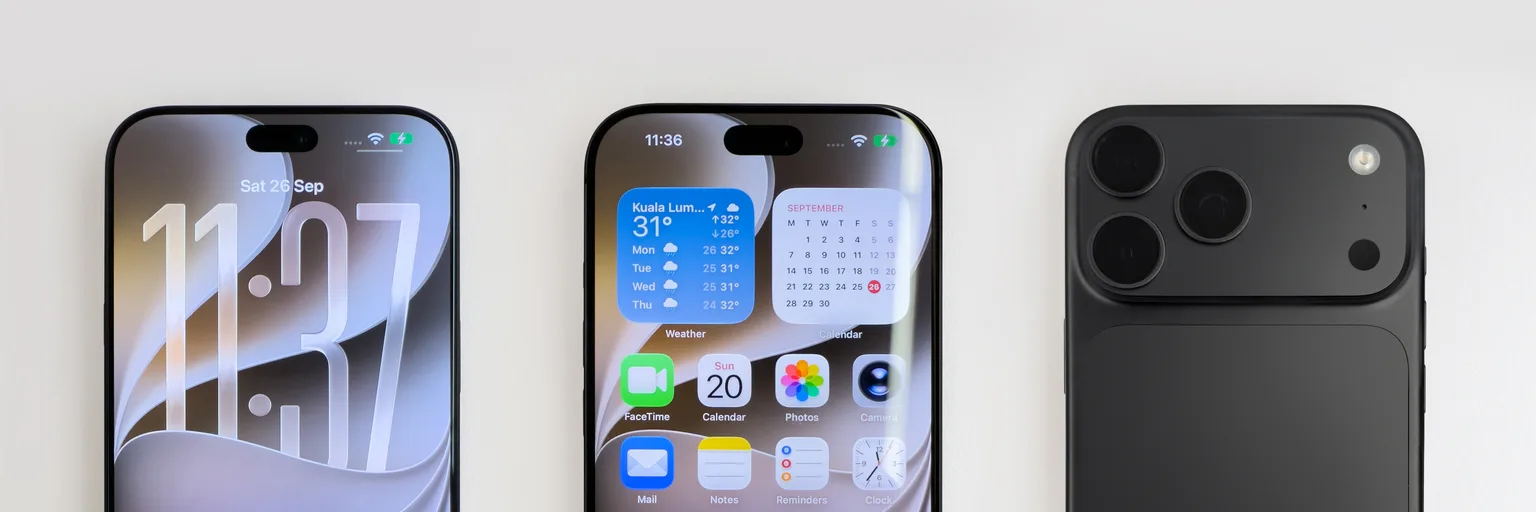
iPhone 18 Pro's Variable Aperture: Is Apple Truly Innovating?
The iPhone 18 Pro brings variable aperture to a mainstream audience, yet Android rivals have offered this pro camera feature for years, highlighting Apple's strategy of refining existing tech rather than always pioneering it.
Photo: RYO Alexandre / Shutterstock.com / Iphone 17Pro
Apple has once again captured the tech world's attention with its latest flagship, the iPhone 18 Pro, touting a significant camera upgrade: variable aperture. This feature is poised to give professional users unprecedented control, especially when combined with tools like Final Cut Camera. But in an industry where true innovation is often debated, we must ask: is Apple truly pioneering here, or is this a masterclass in refining what others have already introduced?
Just days ago, Apple officially confirmed that Final Cut Camera now supports variable aperture on the iPhone 18 Pro with iOS 27, giving video professionals more precise control over their shots. The feature is clearly targeted at creators, enhancing the iPhone 18 Pro's capabilities for pro video and photography, as NeoTeo reports.
Yet, the conversation quickly shifts when we consider the broader smartphone landscape. While Apple presents this as a groundbreaking addition for the iPhone, various Android manufacturers have integrated variable aperture into their devices for years. Phones like the Samsung Galaxy S9, Sony Xperia Pro-I, Huawei Mate 50 Pro, and several Xiaomi models are noted to have sported this technology long before the iPhone 18 Pro, according to BGR. Even more recently, devices such as the Nubia Z70 Ultra and Samsung Galaxy S23 Ultra have offered advanced aperture controls.
The True Value of Variable Aperture: More Than Just a Gimmick
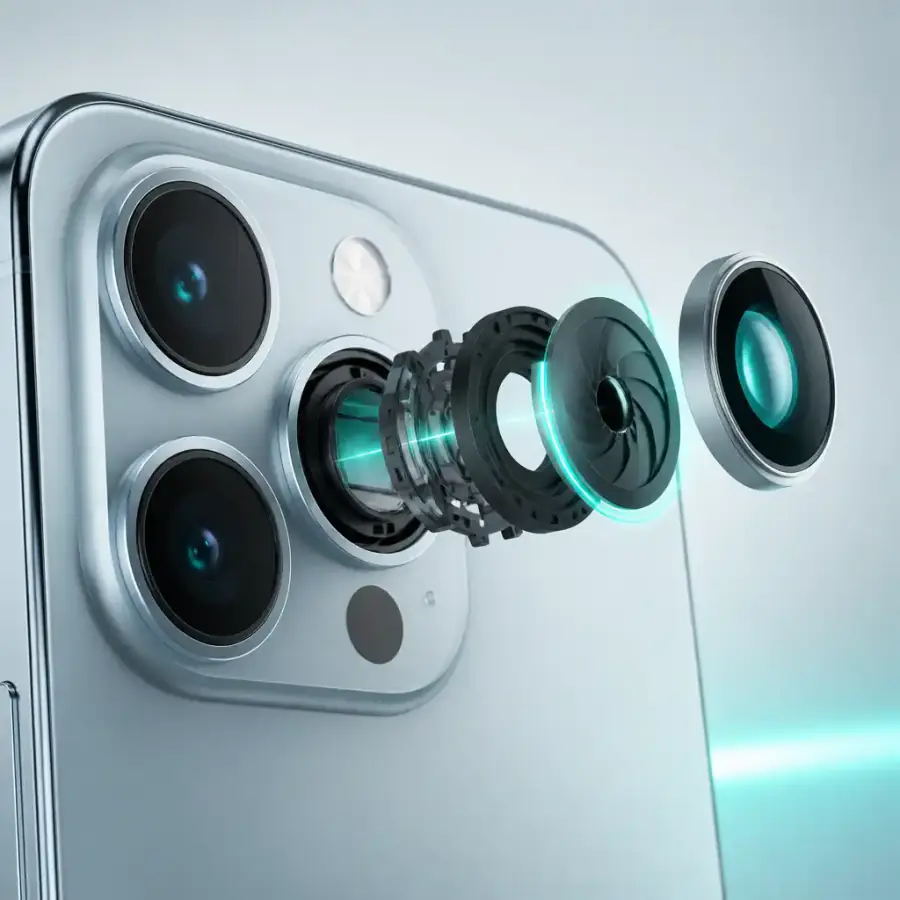
For those unfamiliar, variable aperture is a physical mechanism that allows the camera lens to adjust how much light enters the sensor. This capability is crucial because it transforms the photographic experience, offering greater control over exposure and, critically, depth of field. As explained by Blogthinkbig and NoticiasNeo, regulating light significantly impacts image quality and creative possibilities.
On the iPhone 18 Pro, this means creators can manually adjust between different aperture settings, influencing how much of the scene is in sharp focus versus artfully blurred. This added dimension is particularly valuable for video professionals using tools like Final Cut Camera, enabling ProRes codecs and timecode syncing, as PCMag notes. While the underlying technology isn't new to the mobile space, its integration within Apple's tightly controlled ecosystem, designed for ease of use and professional workflows, makes it a significant enhancement for iPhone users.
Apple's Innovation Cycle: Refinement Over Revolution?
Apple has a long-standing history of not being the first to introduce a technology, but rather being the first to perfect and popularize it for a mass audience. From large screens to multi-camera setups, many features initially pioneered by Android devices have later become standard-setting elements on the iPhone. We observe a similar pattern here: the variable aperture on the iPhone 18 Pro arrives after years of Android experimentation.
This approach isn't a weakness; it's a strategic strength. Apple's ability to seamlessly integrate complex hardware with intuitive software, making advanced features accessible, often defines its impact. ZDNet suggests that Apple's software makes manual camera controls easier to use. With the iPhone 18 Pro now available, reviews praise its A20 Pro chip performance and other enhancements, indicating a well-rounded device (Source 7, 9). For many, the
No topics yet: start the first one.
More stories
iPhone 18 Pro Max on AT&T: When Day-One Headaches Undermine the Premium Promise
The latest iPhone launch has been marred by critical connectivity issues for AT&T users, underscoring a concerning trend of post-release software instability in flagship devices.