iPhone Air 2: Apple's Thin Obsession Meets Its Battery Nemesis
Leaked details about the iPhone Air 2 reveal Apple's ambitious pursuit of an ultra-thin design while also boosting battery capacity, a balancing act that challenges engineering limits.
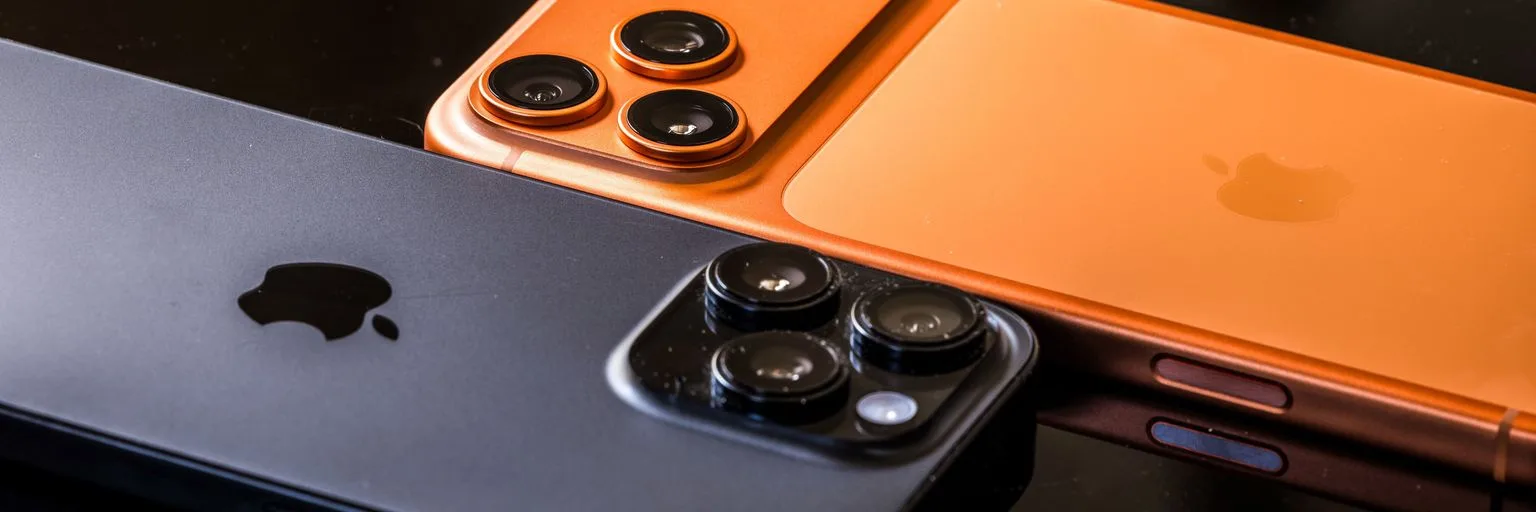
AI-generated image
Is Apple finally ready to deliver a truly groundbreaking ultra-thin smartphone that doesn't sacrifice core functionality? The latest leaks surrounding the iPhone Air 2 suggest the company is attempting to defy the laws of physics, pushing an even thinner chassis while simultaneously improving battery life and camera capabilities. This ambitious pursuit of extreme slenderness, however, often comes with hidden costs, and whether Apple can truly overcome these engineering hurdles remains a critical question for consumers.
Recent reports indicate that the iPhone Air 2 could measure an astonishing 5.2 millimeters thick, a notable reduction from the first-generation iPhone Air's 5.6 mm. What makes this particularly remarkable is the concurrent rumor that Apple is developing a battery cell with higher energy density, aiming to increase capacity beyond the original iPhone Air's 3,149 mAh to nearly 3,500 mAh, as reported by Tempo.co and Gizmochina. This combination of a thinner device and a larger battery is a rare feat in smartphone design, promising to be a significant draw for the next-generation Air.
The Paradox of the "Air" Design
Apple's drive for an ultra-thin form factor has been a defining characteristic of the iPhone Air lineup. The initial iPhone 17 Air, for instance, with its 5.55mm design, was expected to have a 2,800mAh battery and, according to a leak, the "worst battery life among iPhone 17 models," as shared on Reddit. This precedent highlights the inherent challenge: thinner phones typically mean smaller batteries and, consequently, reduced endurance. Yet, the iPhone Air 2 aims to reverse this trend. The rumored nearly 3,500 mAh battery, while not revolutionary compared to some thicker flagship devices, represents a substantial improvement over its predecessor in a significantly slimmer package.
This engineering marvel, if true, would rely heavily on advancements in battery technology, specifically higher energy density, as mentioned in leaks cited by HTCMania. Apple's ability to fit a larger capacity cell into a tighter space, combined with expected power efficiency gains from the A20 Pro chip and updated N2 wireless and C2 modems, could potentially deliver respectable battery performance. This would address one of the primary concerns often associated with ultra-slim phones, allowing the Air series to shed its
No topics yet: start the first one.
More stories
iPhone Duo: Apple's Pricey Foldable Redefines UX, But With Compromises
Apple's long-awaited foldable brings a remarkably subtle crease and refined iOS adaptations, yet its high price and feature trade-offs spark debate on its true value and market position.
iPhone 18 Pro Order Cuts: Apple's Pricing Strategy Faces Reality Check
Apple's decision to slash iPhone 18 Pro and Pro Max component orders suggests a growing consumer resistance to escalating premium smartphone prices, compelling the tech giant to re-examine its market approach.
iOS 27.2 Beta 3: Apple's Quiet Preparation for a Major Hardware Shift
Apple's latest iOS 27.2 Beta 3 update, light on immediate user features, strategically lays groundwork for upcoming devices like the iPhone Duo and a broader ecosystem evolution.

iPhone 18 Pro's Variable Aperture: Is Apple Truly Innovating?
The iPhone 18 Pro brings variable aperture to a mainstream audience, yet Android rivals have offered this pro camera feature for years, highlighting Apple's strategy of refining existing tech rather than always pioneering it.