Signal's screenshot block is a protest dressed up as a privacy feature
Signal now blocks screenshots to keep Siri AI and Gemini out of your chats. It's a clever stopgap, but it exposes a bigger failure: phone operating systems offer no clean way to opt out.
AI-generated image
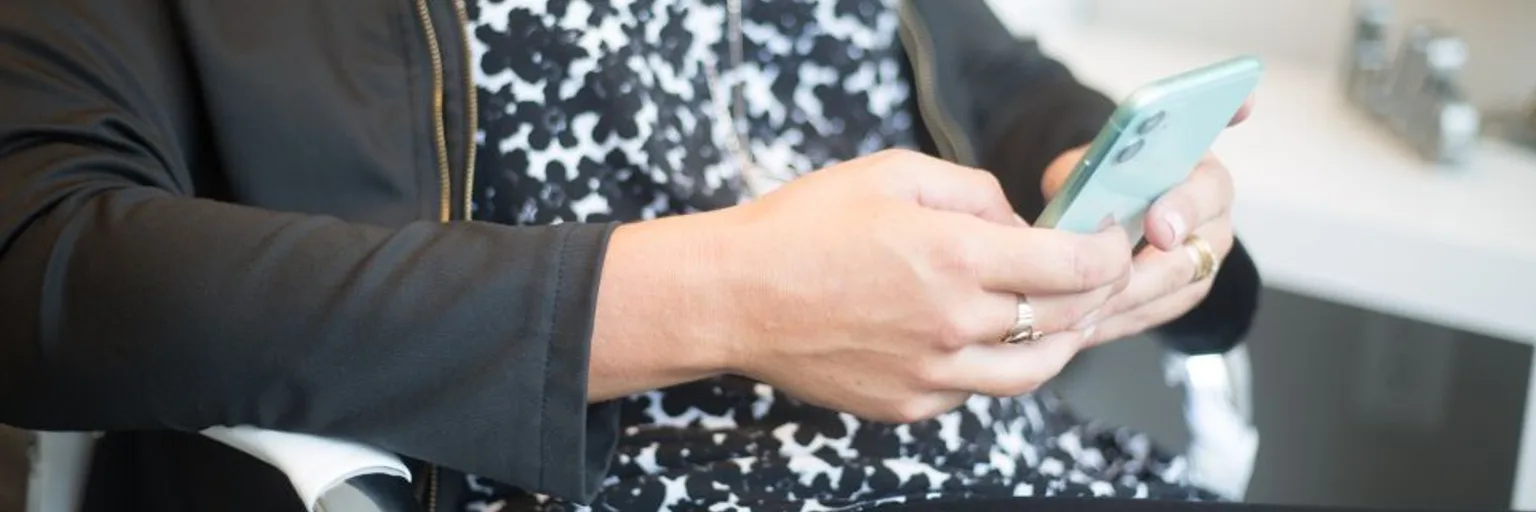
What does it say about your phone when a messaging app has to disable screenshots just to keep the built-in assistant from reading your conversations? To us, it says the operating system has become part of the threat model. Signal is now treating Siri AI and Gemini the way you would treat a stranger looking over your shoulder.
Signal's fix is blunt, and Signal admits it
According to blogspan.net, Signal president Meredith Whittaker announced the change in a blog post on Friday. She described assistants moving into operating systems as an "existenzielle Bedrohung" (existential threat) for encrypted communication. On iPhone there is a new "Block Siri AI" setting under App Security. It stops Siri from reading along and blocks screenshots in the app and in the app switcher. On Android there is no new switch. Signal turns on the existing "Screen security" option itself when it detects that an assistant is trying to read the screen. Signal already did something similar on Windows 11 in May 2025, against Microsoft's Recall.
The catch is that, as t3n notes, this is not 100 percent protection. Signal says so itself, and that is to its credit.
A shield that only covers your side of the table
The holes are not minor. Per the same blogspan report, Android detection works on Pixel phones running Google's own Android. On other makers' devices it depends on their customizations, so it may be unreliable on many Samsung, Xiaomi or Motorola phones. The block does nothing against file-system access. It doesn't work on the Mac at all. Third-party assistants that read the screen through accessibility services are also a gap, and Meta's Muse is named as an example.
The biggest hole is structural. The block protects only your phone. Your contact's phone can still let an assistant read the same conversation. End-to-end encryption ends at the display, and that is exactly where these assistants operate. In a group chat, the privacy you get is roughly that of the member with the loosest settings. We think this is the part most users will miss, because a toggle in your own settings feels like it covers the whole conversation. It doesn't.
The real message is addressed to Apple and Google
Signal calls the screenshot block a stopgap. What it wants is a documented way for apps to opt out of AI agents, covering the screen, file system, notifications and interfaces alike. It also wants better documentation of what these agents actually read. It says it is in talks with Google and Apple and is "vorsichtig optimistisch" (cautiously optimistic).
We agree with the blogspan author's take, and we'd go further. An app that can defend its core function only with a screenshot trick shows that the platform has no proper mechanism. Apple's promise to process AI requests in isolated data centers doesn't satisfy Signal either. It's also a blunt tool. Screenshots are a legitimate feature, and users who want to save a receipt or an address now lose it so that a hypothetical assistant stays out. Signal does let you turn the block off. If you do, it warns that its privacy promise no longer applies, and that includes your contacts.
There is a fair counterargument. Assistants that read the screen are the whole selling point of these features, and a per-app exclusion list already exists on the Mac. On macOS 27, Signal recommends adding itself to Siri's excluded apps in system settings. If that works there, it's hard to see why it can't be the standard everywhere, enforced by the OS and not guessed at by the app.
Our verdict
If you use Signal on an iPhone, leave the new setting on. On Android, check whether your phone is one where detection works, and don't assume it is. In sensitive chats, ask your contacts to do the same. Don't treat any of this as a guarantee.
The lasting value of Signal's move is political. It forces a question the platforms have avoided: who decides which apps an assistant may read? That should be the user's call, per app, through a documented system control that developers can rely on. Until Apple and Google offer that, every private messenger is stuck improvising defenses against the phone it runs on.
No topics yet: start the first one.
More stories
WhatsApp's travel eSIM is handy, but it makes a chat app a carrier shop
Buying data inside WhatsApp could end roaming shock, but it turns a messenger into a telecom middleman. Compare prices and know who handles your support.
WhatsApp's scheduled messages are overdue, but 14 days is a lot of rope
Scheduling is the most overdue feature in WhatsApp's history, but a two-week window in group chats invites noise and awkward mistakes unless canceling is effortless.
WhatsApp's sound stickers are fun, but your group chats just got louder
Sound stickers fit Brazil's sticker culture perfectly, but they're also an engagement play. The mute controls exist; we think silent by default should be next.
View-once texts on iPhone: privacy theater if WhatsApp won't say what it can't stop
View-once text messages are reaching WhatsApp on iPhone. They're a handy nudge toward better habits, but they only protect you from the person you chose to trust.