The Pixel 10a's $100 Hike: Is the Mid-Range Smartphone Dying?
Google's unannounced price increase for the Pixel 10a reflects a worrying industry trend, threatening to erode the value proposition of once-affordable devices and push consumers towards difficult choices.
Photo: Erman Gunes / Shutterstock.com
The smartphone market is facing a silent revolution, not of innovation, but of inflation. Google's recent, unannounced $100 price hike for its Pixel 10a, just seven months after its release, is a stark reminder of this shifting landscape. What was once heralded as a beacon of affordable yet powerful technology is now priced at $599 for the 128GB model, up from $499, and $699 for the 256GB version [1, 14]. This isn't merely an adjustment; it's a recalibration that forces us to question the very definition of a 'mid-range' smartphone.
This increase, which also hit European markets, pushing the 10a to €649 from its launch price of €549 [17, 18], reflects a broader, global trend. Google cites rising memory costs, specifically DRAM and NAND shortages, as the primary driver behind this decision [3, 4]. While component costs certainly impact manufacturing, the way this increase was implemented, without prior notice on the official Google Store, speaks volumes about the pressure manufacturers are under—and how quickly those pressures are passed on to consumers.
The Erosion of the 'a' Series Value Proposition
The Pixel 'a' series has historically carved out a niche by offering the core experience of Google's flagship Pixel devices at a more accessible price point. A significant part of this value stemmed from equipping these mid-range phones with the same processor as the previous year's flagship model. However, the Pixel 10a already deviated from this, being the first 'a' series device to launch with a prior-generation processor, the Tensor G4, instead of the latest silicon [2].
While the 10a still delivers respectable features, including a 6.3-inch Actua display with a 60-120Hz refresh rate, a 5,100mAh battery with upgraded 45W wired and 10W wireless charging, and an impressive seven years of OS and security updates [2], its price point now puts it in direct competition with devices that might offer more recent processing power or premium features. This $100 increase represents a 20% jump for the base model, a substantial sum for a product designed to be budget-friendly [4, 14]. The mid-range, which once promised a sweet spot between cost and capability, is losing its luster, becoming a battleground where price increases weaken the very argument for its existence.
A Global Trend That Punishes the Consumer
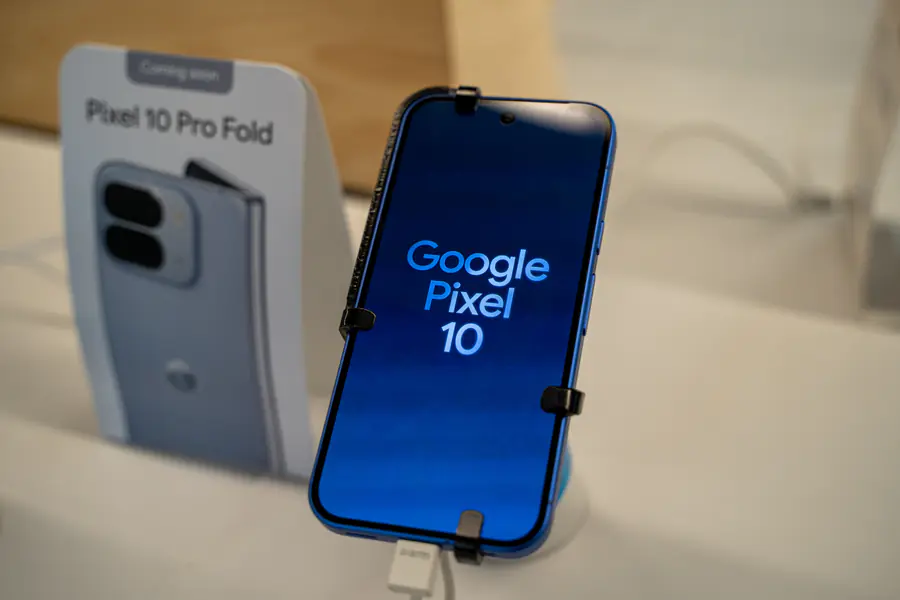
Google isn't alone in this trend. Reports indicate that other major players, including Apple with its iPhone 17 and Samsung with its Galaxy S26 family, have also implemented price hikes [4, 7]. This points to an industry-wide struggle with supply chain costs, particularly for memory components. While companies like Google can only absorb so much before passing costs onto consumers [4], the impact on purchasing power is undeniable.
For many, a $100 increase on a mid-range phone might be the difference between an affordable upgrade and needing to stretch their budget significantly, or even opting out altogether. It forces a tough re-evaluation: is a Pixel 10a at $599 still the smart buy, or does that money now get you closer to a more capable, albeit older, flagship, or even a different brand's offering? The value proposition of the Pixel 10a is certainly weakened, compelling consumers to scrutinize every dollar spent on a device that is no longer as 'budget-friendly' as its predecessors promised [4].
What Does This Mean for the Future of Mid-Range?
The quiet nature of Google's price adjustment is telling; it suggests an acknowledgment that this move is not consumer-friendly. As costs continue to climb, we anticipate further price increases across the smartphone spectrum, including potential hikes for devices like the Pixel 11 [4].
For consumers, this means more vigilance will be required when making smartphone purchasing decisions. While the Google Store might already reflect the new pricing, some retailers like Best Buy or Walmart could still have units at the original price, at least for a short time [4]. However, even these small windows of opportunity are fleeting. The Pixel 10a's hike is a bellwether, signaling that the 'affordable' segment of the smartphone market is under immense pressure, and consumers will ultimately bear the brunt. We are entering an era where true mid-range value might become a relic of the past, replaced by devices that demand a premium for even essential functionality.
No topics yet: start the first one.
More stories
Pixel 12 Leaks: Google's Premium Pivot Challenges Its 'Pure Android' Vision
Early leaks of the Pixel 12 series, including a potential Pro Fold and higher prices, suggest Google is making a strategic shift toward the premium segment, raising questions about its original 'pure Android' value proposition as the line marks its 10th anniversary.